SciFig

Free DNA Structure Diagram Generator

Create a DNA double helix or ladder from a short sequence, show complementary base pairs and hydrogen bonds, and export SVG or PNG.

Describe what you need in the box above.

Start with up to 150 free credits|No credit card required

Get up to 350 free credits on day one when you join through an invite.

3 figure engines · 500+ templatesEvery label editable · 60+ color schemesEditable PPTX · Layered SVG · 8K PNG / JPG

Build a DNA structure diagram

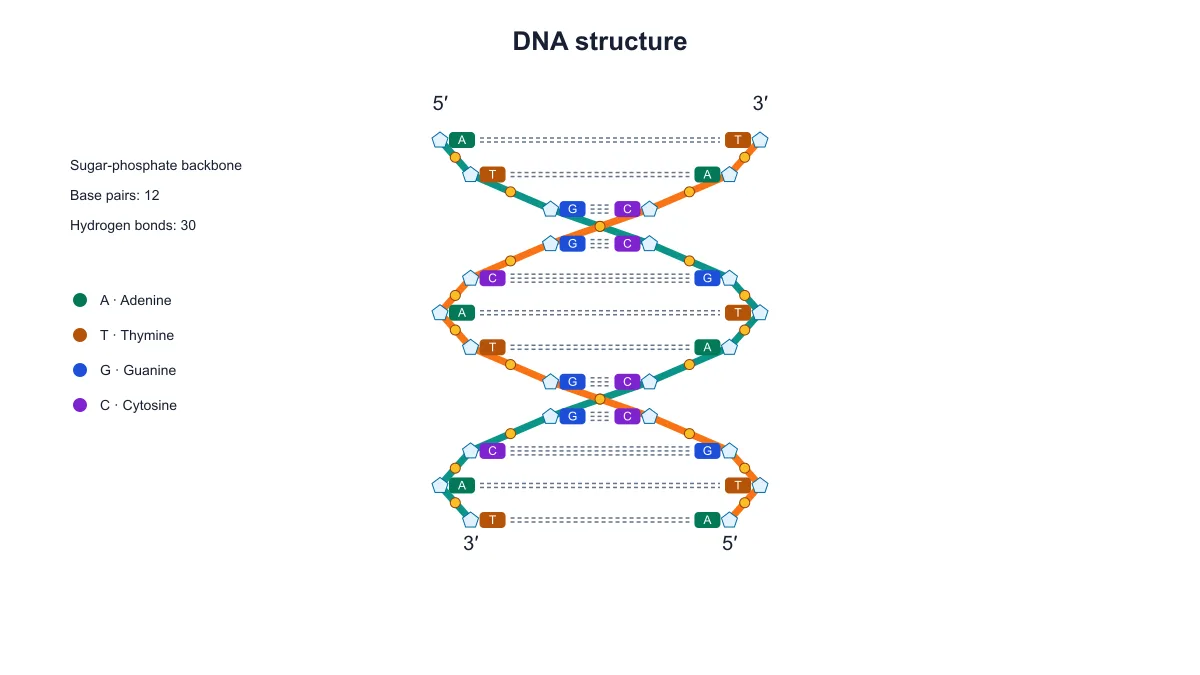
Enter a short DNA sequence, choose a layout and download the paired structure with its settings.

Diagram layout
Base pairs
12
Hydrogen bonds
30
GC content
50%

5′-ATGCGTACGCAT-3′
3′-TACGCATGCGTA-5′

Free DNA Structure Diagram Generator— templates & examples

Updated

DNA structure diagrams

Free DNA Structure Diagram Generator

Make a DNA diagram that follows your sequence and complementary base pairs.

SciFig’s DNA structure diagram generator turns a short DNA sequence into a double-helix schematic or straight ladder diagram. Enter A, T, G and C to generate the complementary strand, see the two or three hydrogen bonds for each pair, and inspect the strand directions. The summary updates the base-pair count, GC percentage and total hydrogen bonds. Choose a labeled figure or exercise, export SVG or PNG, and save the settings to return to the same example later.

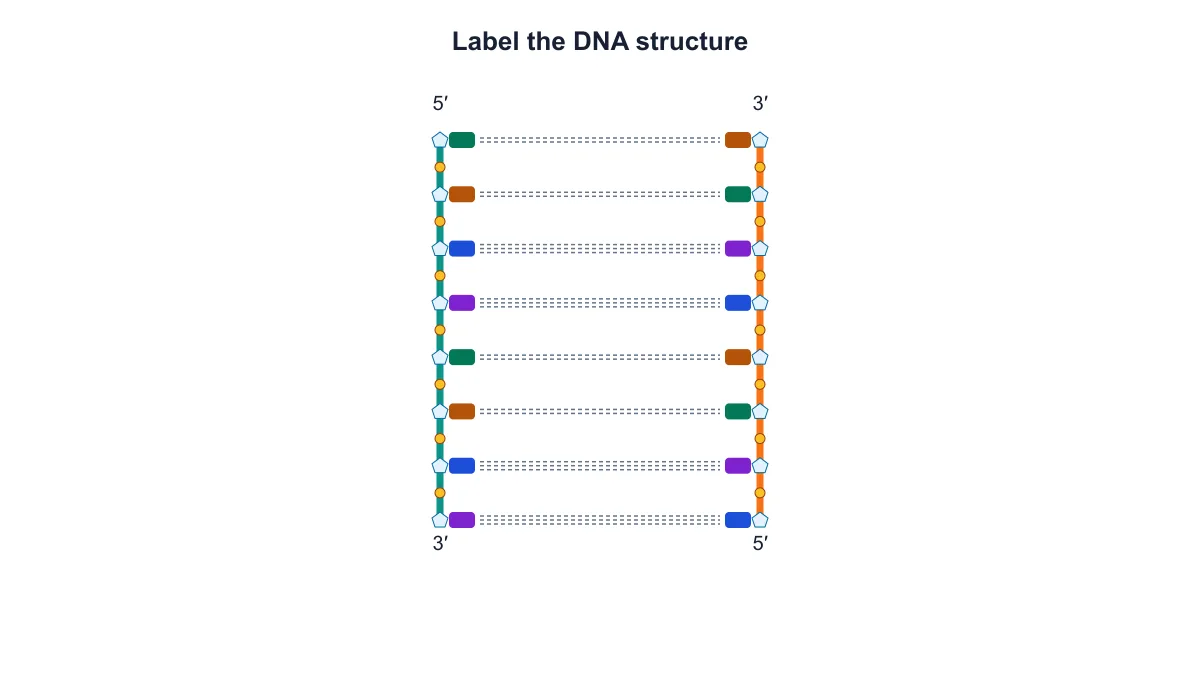
DNA double helix diagram with complementary bases, sugar-phosphate backbones and antiparallel strand ends
  • Enter a short DNA sequence
  • Show complementary bases and strand ends
  • Compare hydrogen bonds and GC content
  • Download SVG, PNG and saved settings

DNA Structure Diagram Generator Features

Connect the sequence, structure and labels in a DNA figure you can download and revise.

Turn a short DNA sequence into a paired structure

Enter a sequence of A, T, G and C in the DNA structure diagram generator. SciFig builds the complementary strand and draws the base pairs between two backbones. Adenine pairs with thymine, and guanine pairs with cytosine. The displayed strand ends run in opposite directions, so the drawing connects the sequence you entered with the antiparallel arrangement used in a DNA structure diagram.

  • Enter 2–24 DNA bases
  • Generate the complementary strand
  • Keep 5′ and 3′ ends visible
Try this in SciFig

See the bonds and sequence counts together

SciFig draws two hydrogen-bond marks for each A–T pair and three for each G–C pair. The summary reports the number of base pairs, GC percentage and total hydrogen bonds for the entered sequence. Change a base and compare the new drawing with those values. This gives a lesson or report a concrete example of complementary pairing, rather than a generic DNA image with unrelated letters.

  • Two bonds for A–T
  • Three bonds for G–C
  • Update GC and bond counts
Try this in SciFig

Choose a double helix or a DNA ladder

Use the double-helix layout to show the familiar twisted arrangement, or switch to a straight ladder when explaining the individual base pairs. Both layouts use the same sequence and complementary strand. Turn off the nucleotide labels and legend for a labeling exercise while retaining the selected structure, hydrogen bonds and strand ends. Add a title that makes the purpose of each exported figure clear.

  • Switch between two layouts
  • Keep the sequence across layouts
  • Hide labels for an exercise
Try this in SciFig

Download the diagram and reopen its settings

Export the DNA structure diagram as SVG for further vector editing or PNG for a document, slide or worksheet. Save JSON settings to retain the sequence, title, layout and label display. Open that file to revise the same example later. SciFig AI Illustration (AI scientific illustration) also helps you create a larger scientific scene when you want to place the DNA structure alongside other biological components.

  • Download SVG or PNG
  • Save and restore JSON settings
  • Continue a larger scientific illustration
Try this in SciFig

How to Make a DNA Structure Diagram

Enter the sequence, choose the structure view and export a diagram for your task.

  1. Enter the DNA sequence

    Type 2–24 A, T, G or C bases in 5′→3′ order. Lowercase letters and spaces are normalized automatically. SciFig calculates the complementary strand and updates the drawing as you edit the sequence.

  2. Choose the structure layout

    Select double helix for a twisted schematic or DNA ladder for a straight comparison of the base pairs. Check the paired bases, backbone shapes and opposing 5′/3′ ends in the preview.

  3. Set the title and label display

    Give the diagram a title for your class, report or presentation. Keep nucleotide labels and the legend visible for explanation, or hide them when preparing a labeling exercise from the same sequence.

  4. Export the figure and save the settings

    Download SVG or PNG for your work. Save the JSON settings beside the figure so you can reopen the same sequence, title, layout and label choices when a later revision is needed.

DNA Structure Diagrams for Teaching and Research

Prepare a focused DNA structure figure for the explanation, lesson or document you are working on.

DNA double helix diagram with complementary bases, sugar-phosphate backbones and antiparallel strand ends

Explain the parts of DNA

Use a labeled double-helix example to introduce the sugar-phosphate backbone and the four nitrogenous bases. Point out the difference between a strand and a base pair, then use the opposing 5′/3′ markers to explain strand direction. Export the figure for a biology lecture, seminar or study handout.

Explore this example
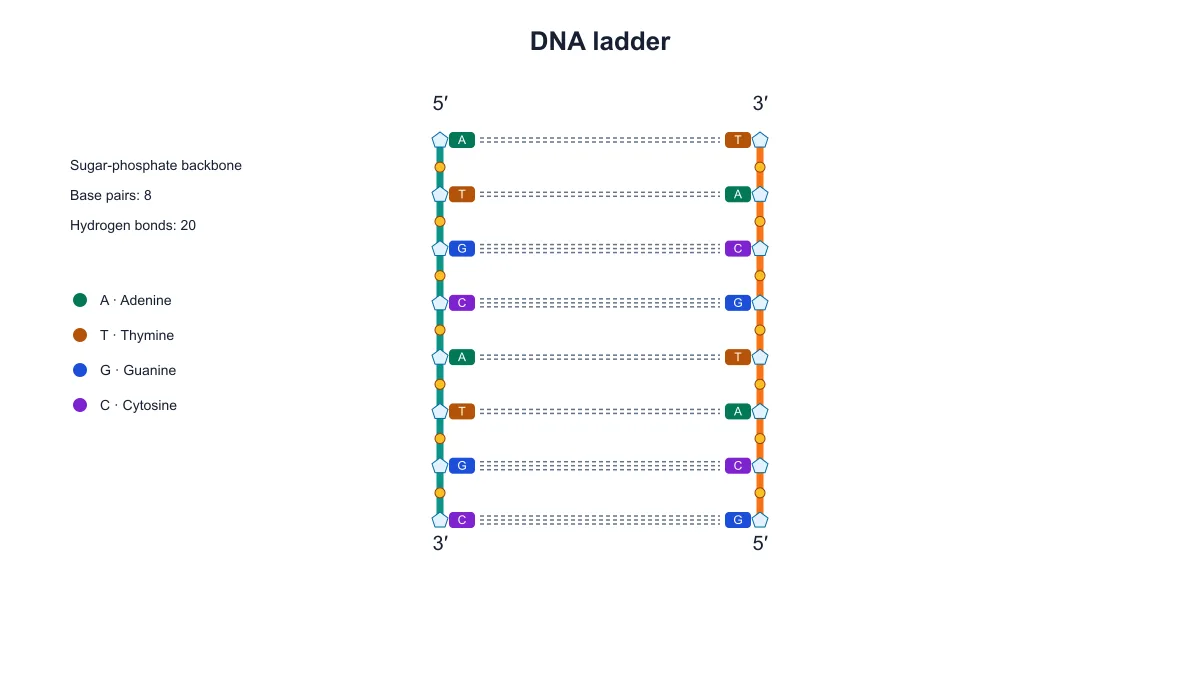
DNA ladder diagram showing A–T and G–C pairs between two sugar-phosphate backbones

Practice complementary base pairing

Enter a short sequence and compare it with the complementary strand that SciFig displays underneath. Switch to the ladder layout to follow one pair at a time. The DNA structure diagram generator helps connect the A–T and G–C rules to an example students can inspect and revise.

Explore this example
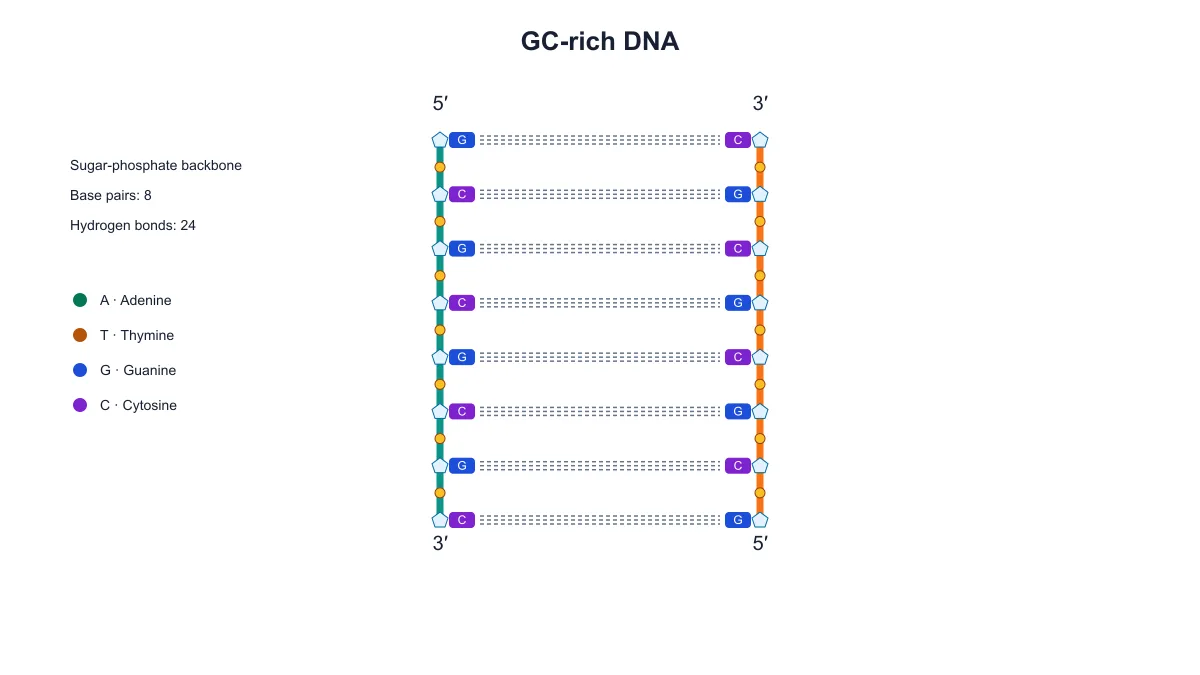
GC-rich DNA diagram with three hydrogen bonds between each guanine–cytosine pair

Compare AT-rich and GC-rich examples

Create one short sequence rich in A and T and another rich in G and C. Compare their GC percentages and the total hydrogen bonds shown in the summary. Place the exported diagrams beside each other when explaining how the two types of base pair differ.

Explore this example
Unlabeled DNA ladder retaining the backbone shapes, base pairs, hydrogen bonds and strand ends

Prepare a DNA labeling exercise

Hide the nucleotide labels and legend to make a structure figure for practice. Keep a labeled version from the same saved settings for the answer sheet. The backbone shapes, base-pair positions, bond marks and strand ends remain available so you can focus the exercise on the concept being taught.

Explore this example
DNA double helix diagram with complementary bases, sugar-phosphate backbones and antiparallel strand ends

Add a structure figure to a research presentation

Create a clear short-sequence schematic for an introductory slide about a DNA-related experiment. Set a presentation-specific title, choose the layout that supports the explanation and export SVG for further editing. Keep the sequence and settings with your slides when the figure will need to be revised later.

Explore this example
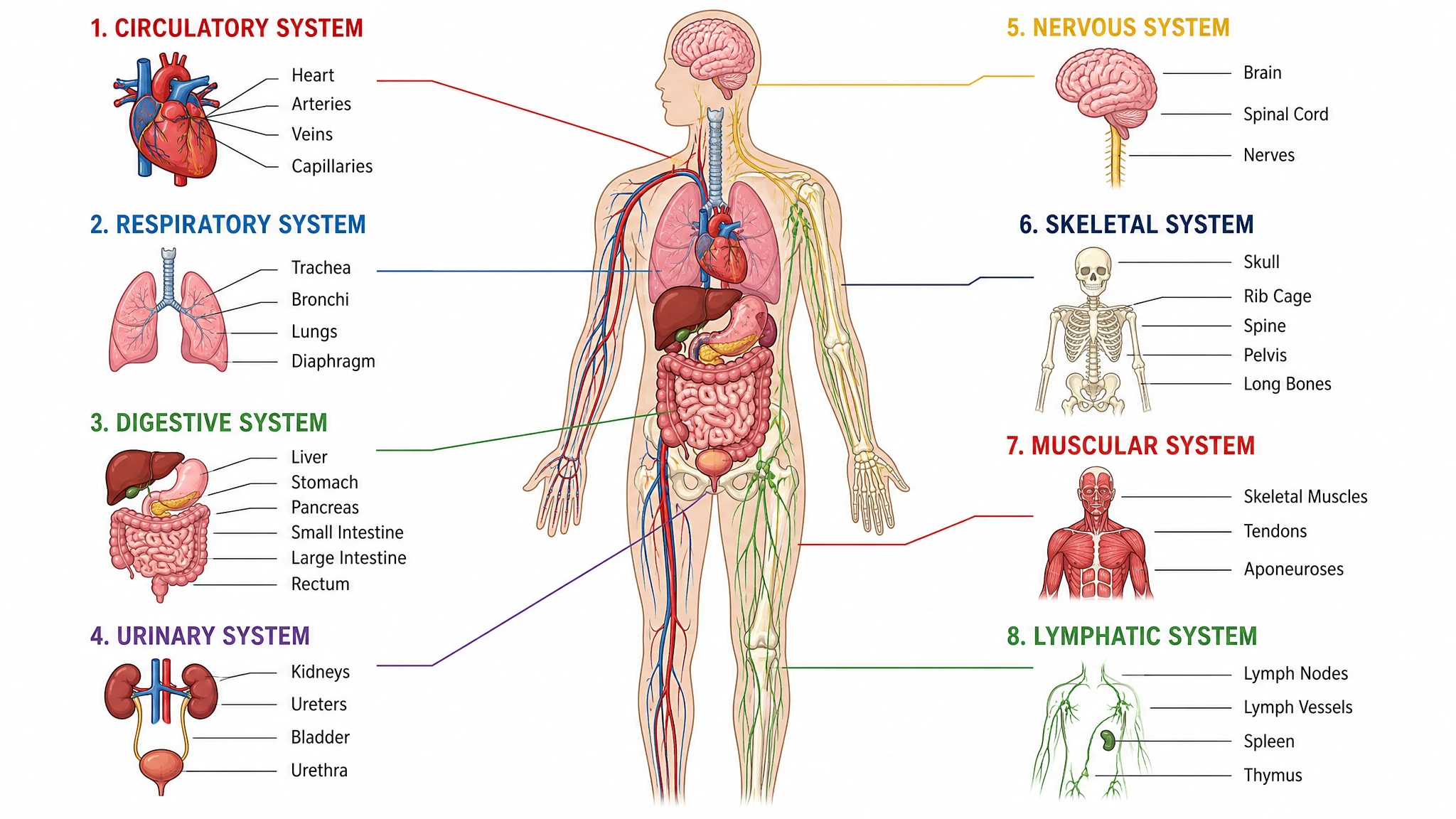
DNA ladder diagram showing A–T and G–C pairs between two sugar-phosphate backbones

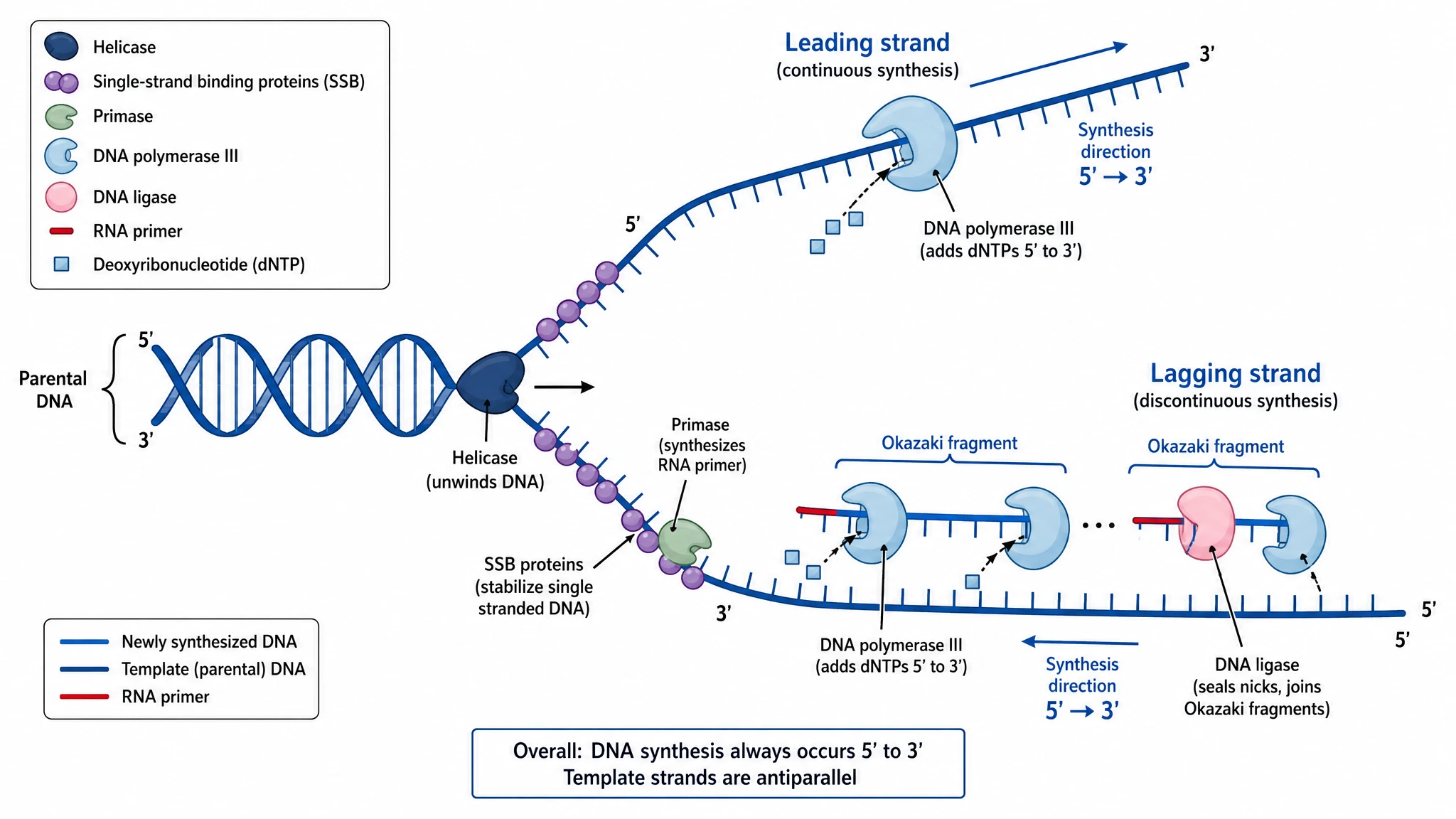
Connect DNA structure with replication

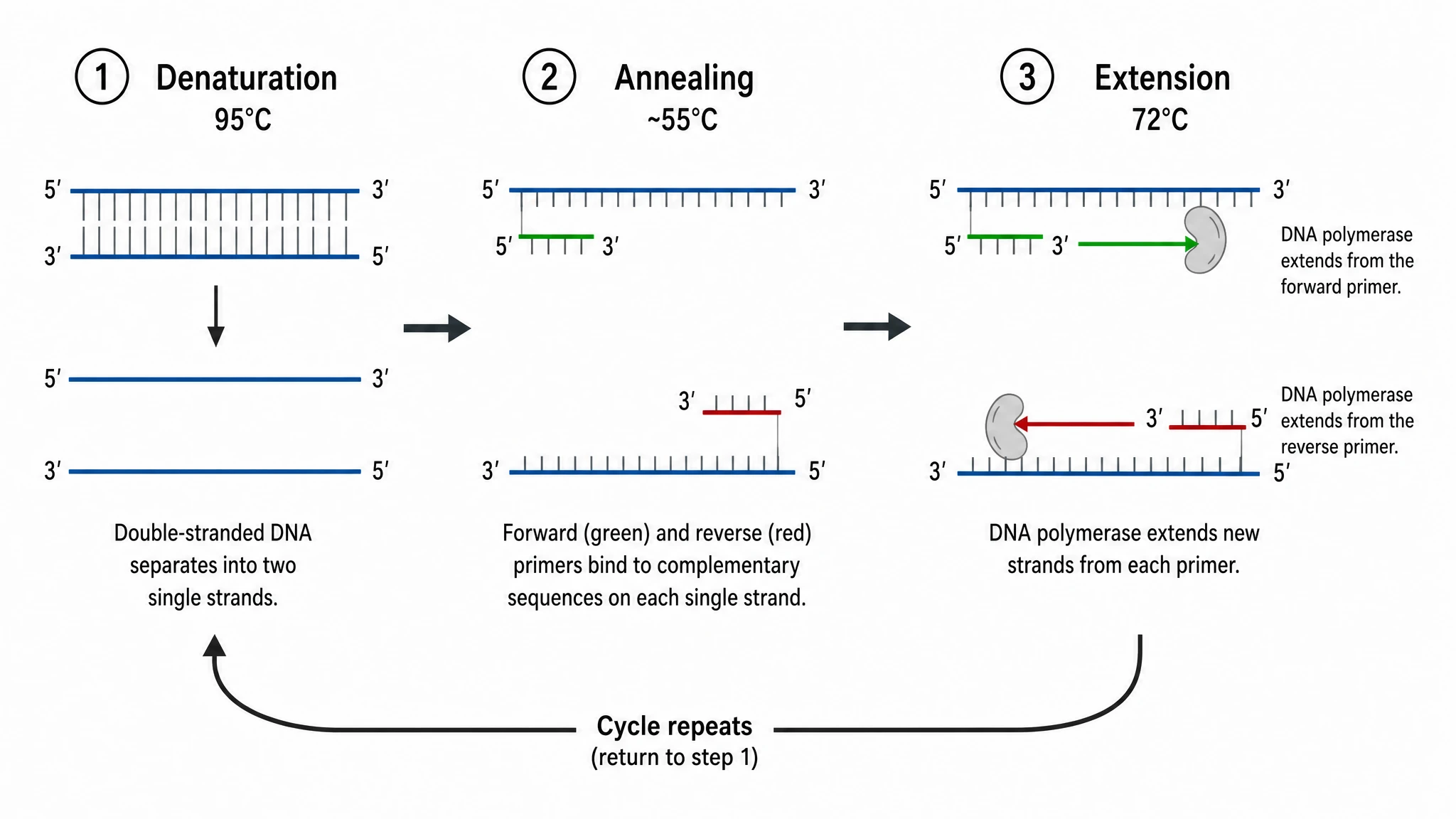
Use the DNA structure diagram generator to explain the paired strands before moving to the process of copying DNA. A structure view lets the audience inspect the bases and directions first. Continue with SciFig’s DNA replication diagram tool when your next figure needs to show the replication process.

Explore this example
How Researchers Use SciFig

My students needed a short DNA example where they could follow every base pair. The DNA structure diagram generator let me enter the sequence for the lesson, switch to the ladder layout and export a labeled reference. I also saved the settings so the worksheet and answer sheet stayed based on the same example.
Maya R.

Biology teacher, Brighton College

Free tools

A tool for every scientific figure

110 focused generators for the scientific figure you need — each opens in the right workspace with a matching example.

DNA Structure Diagram Questions

1.

2.

3.

4.

5.

6.

Call to action background

DNA structure diagrams

Create your DNA structure diagram

Create a DNA structure diagram

Free to start · No credit card required · Built for researchers