
Punnett Square Maker
Generate accurate Punnett square diagrams for any genetic cross — monohybrid, dihybrid, or giant multi-trait squares — with genotype and phenotype ratios labeled.
Figure prompt
Describe the figure you want to create
Not sure where to start? Use Example.
Start with 100 free credits|No credit card required
Get up to 300 free credits on day one when you join through an invite.
Reviewed by SciFig TeamUpdated
Punnett Square Maker— templates & examples
Everything you need to make accurate Punnett square diagrams
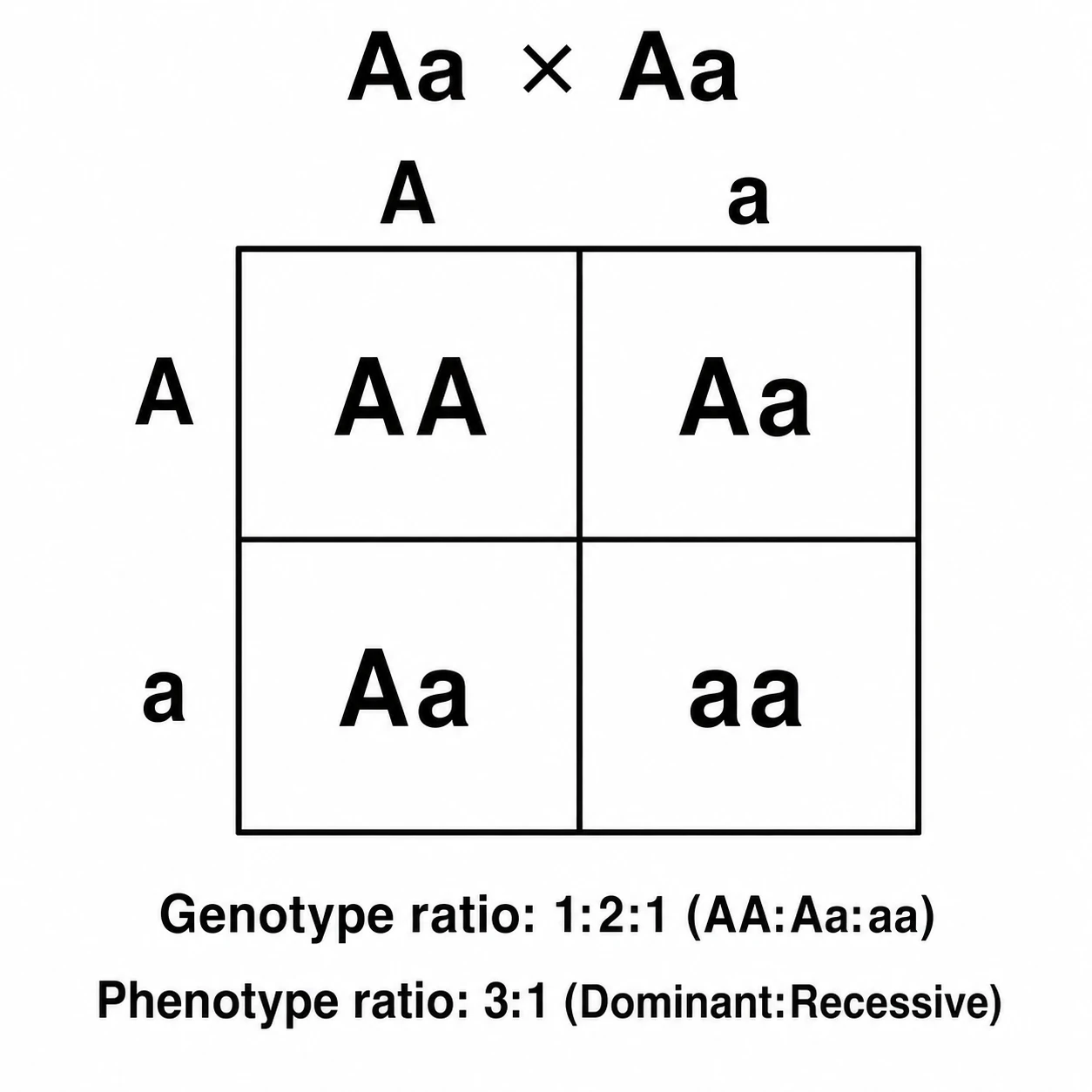
Generate monohybrid, dihybrid, and giant Punnett squares
A correct Punnett square must accurately list parental gametes and fill every offspring genotype cell without error — a mistake in any cell propagates incorrect ratios. SciFig's Punnett square maker fills monohybrid (2×2), dihybrid (4×4), and giant Punnett square (8×8) grids correctly for any parental genotype combination, and labels the expected genotype and phenotype ratios next to the completed grid.
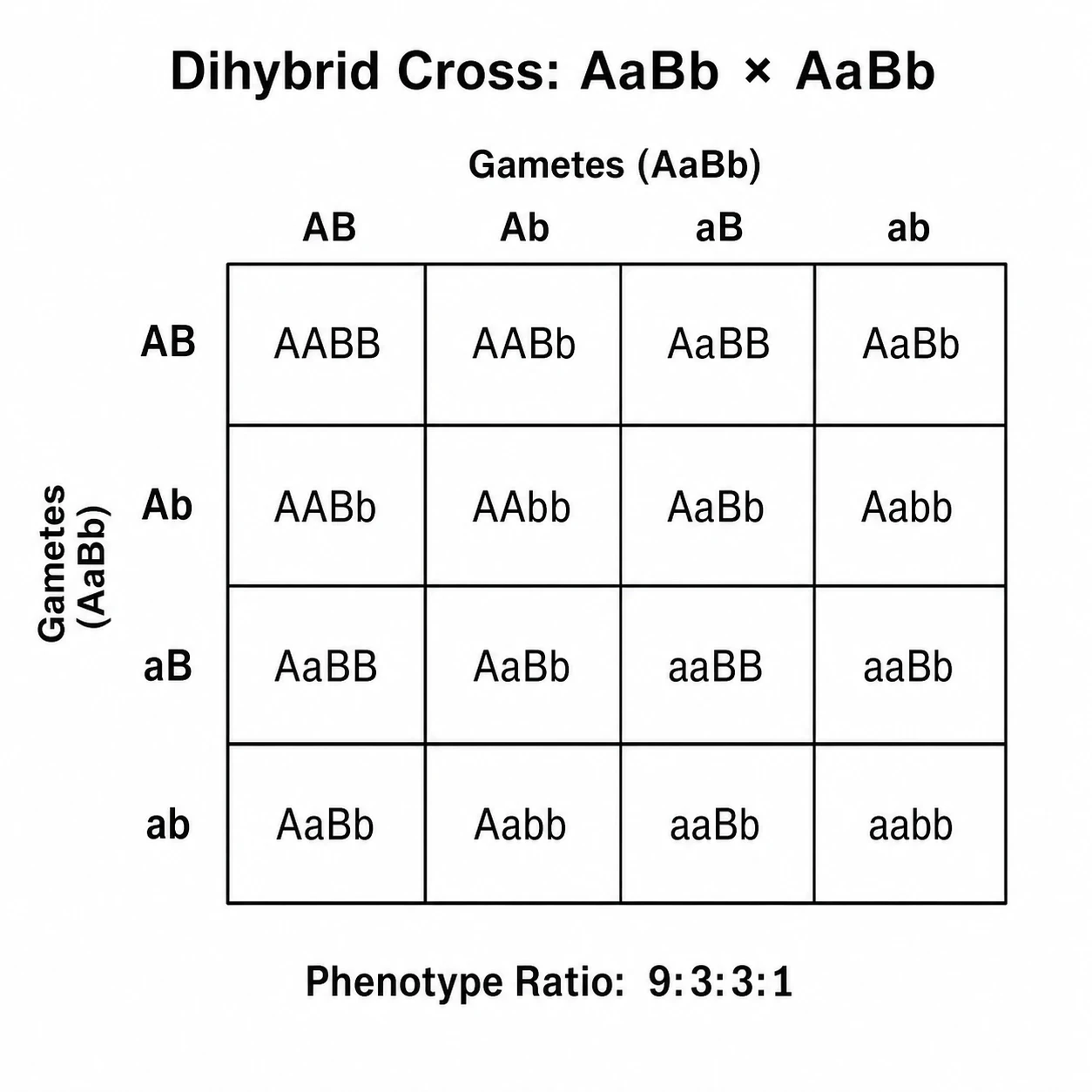
Label genotype and phenotype ratios automatically
Understanding the outcome of a genetic cross requires both the completed grid and the summary ratios. SciFig's Punnett square maker displays genotype ratios (for example 1:2:1 for a monohybrid heterozygote cross) and phenotype ratios (3:1 dominant to recessive) alongside the Punnett square diagram, making it straightforward to interpret results for a genetics homework assignment, lab report, or research paper.
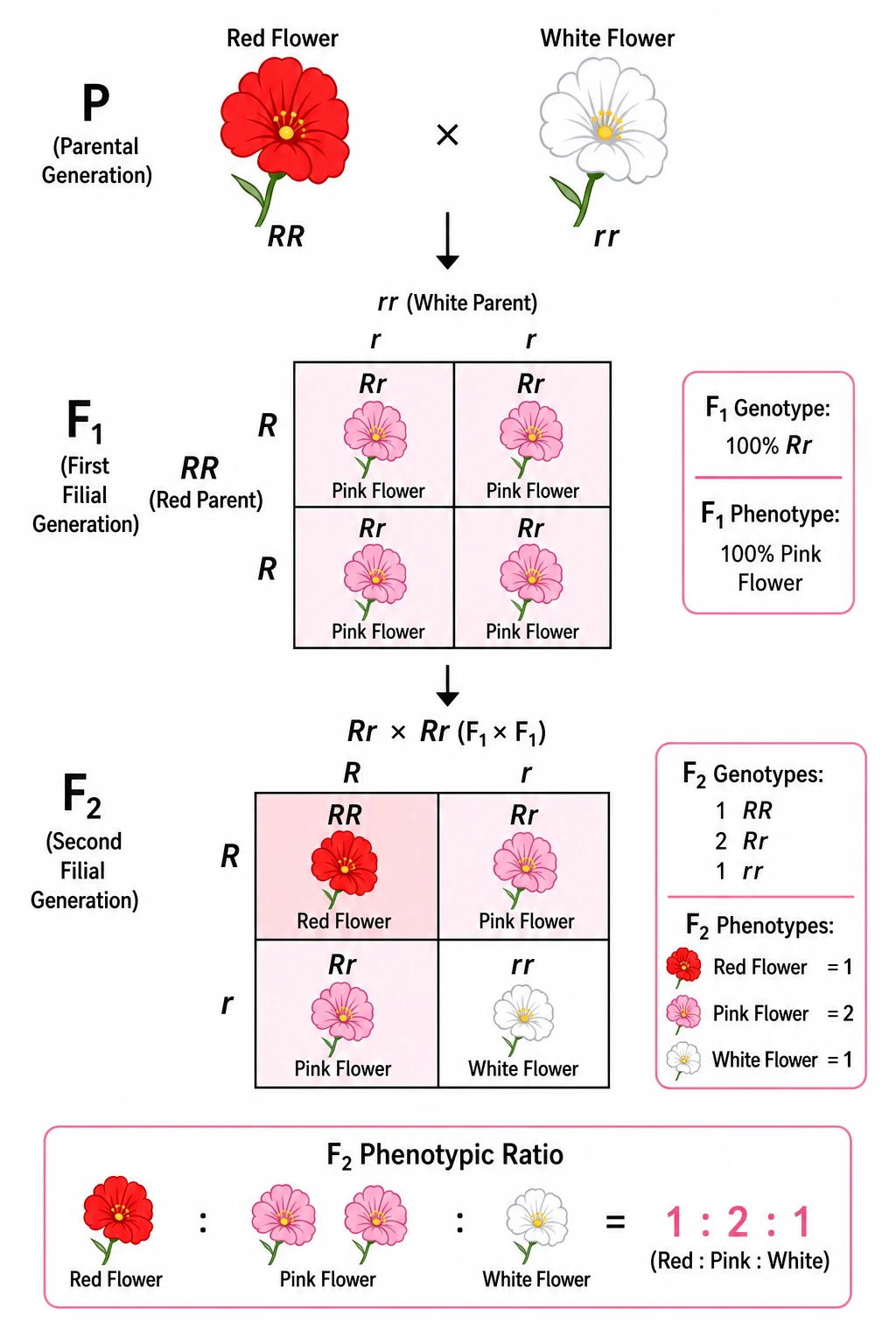
Illustrate special inheritance patterns for advanced genetics
Standard dominant-recessive crosses are only the starting point. SciFig's giant Punnett square maker can also illustrate incomplete dominance, codominance, and sex-linked traits — labeling heterozygote phenotypes correctly for each inheritance mode. Export polished, labeled Punnett square diagrams for AP Biology, IB Biology, university genetics courses, or scientific publications.
What is a Punnett square?
A Punnett square is a grid diagram in genetics that predicts offspring genotype combinations from a parental cross, with each parent's alleles labeling the rows and columns and each cell showing one possible genotype. Punnett squares are foundational for calculating genotype and phenotype ratios in monohybrid, dihybrid, and higher-order crosses. With SciFig's Punnett square maker you specify parental genotypes and cross type and receive an accurately filled diagram with ratios labeled.
Why Punnett square diagrams matter in genetics
- Provide a systematic visual method for predicting offspring genotype and phenotype probabilities
- Foundational tool in Mendelian genetics taught in every high school and university biology course
- Enable calculation of the probability of offspring inheriting dominant, recessive, or codominant traits
- Required for AP Biology, IB Biology, GCSE Biology, and university genetics coursework
- Used in plant and animal breeding programs to predict the outcome of controlled crosses
- Basis for understanding more complex patterns including linkage, epistasis, and quantitative genetics
Key components of a Punnett square diagram
- Parental genotype headers — alleles of each parent written above the columns and beside the rows
- Gamete labels — one allele per gamete listed at the edge of each row and column
- Offspring genotype cells — each cell filled with one allele from the column header and one from the row header
- Phenotype labels — dominant or recessive phenotype notation added to each genotype cell where applicable
- Genotype ratio summary — count of each unique genotype expressed as a simple ratio below the grid
- Phenotype ratio summary — count of dominant-expressing vs recessive-expressing genotypes as a ratio
Where Punnett square diagrams are used
- High school biology classes covering Mendelian genetics and inheritance patterns
- AP Biology, IB Biology, and GCSE Biology examinations requiring genotype ratio calculations
- University genetics and molecular biology courses for monohybrid and dihybrid cross problems
- Plant and animal breeding research for predicting offspring trait distributions
- Genetic counseling education materials illustrating dominant, recessive, and X-linked inheritance
- Science fair projects and student research presentations on trait inheritance and probability
How to make a Punnett square
Describe your Punnett square
Tell SciFig what to draw in plain language — no design tools required.
Generate with SciFig
Get a clean, publication-ready figure that matches your description in seconds.
Edit & export
Vectorize it into editable SVG, relabel everything, and export for your paper, poster, or slides.
Punnett Square Maker — Frequently Asked Questions
Common questions about Punnett Square Maker.
More tools
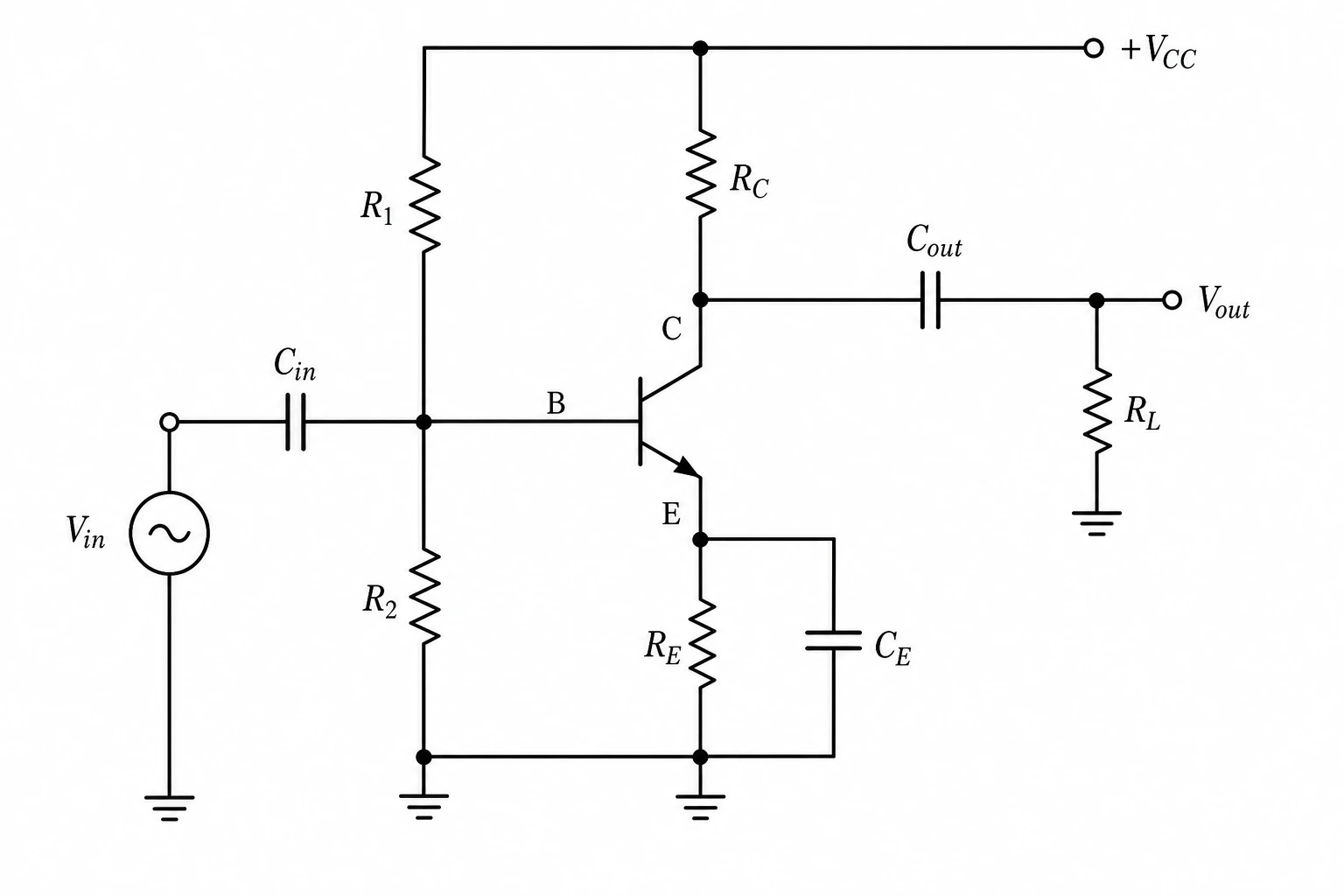
Circuit Diagram Maker
Generate accurate circuit diagrams with labeled schematic symbols for research papers, lab reports, and technical publications.
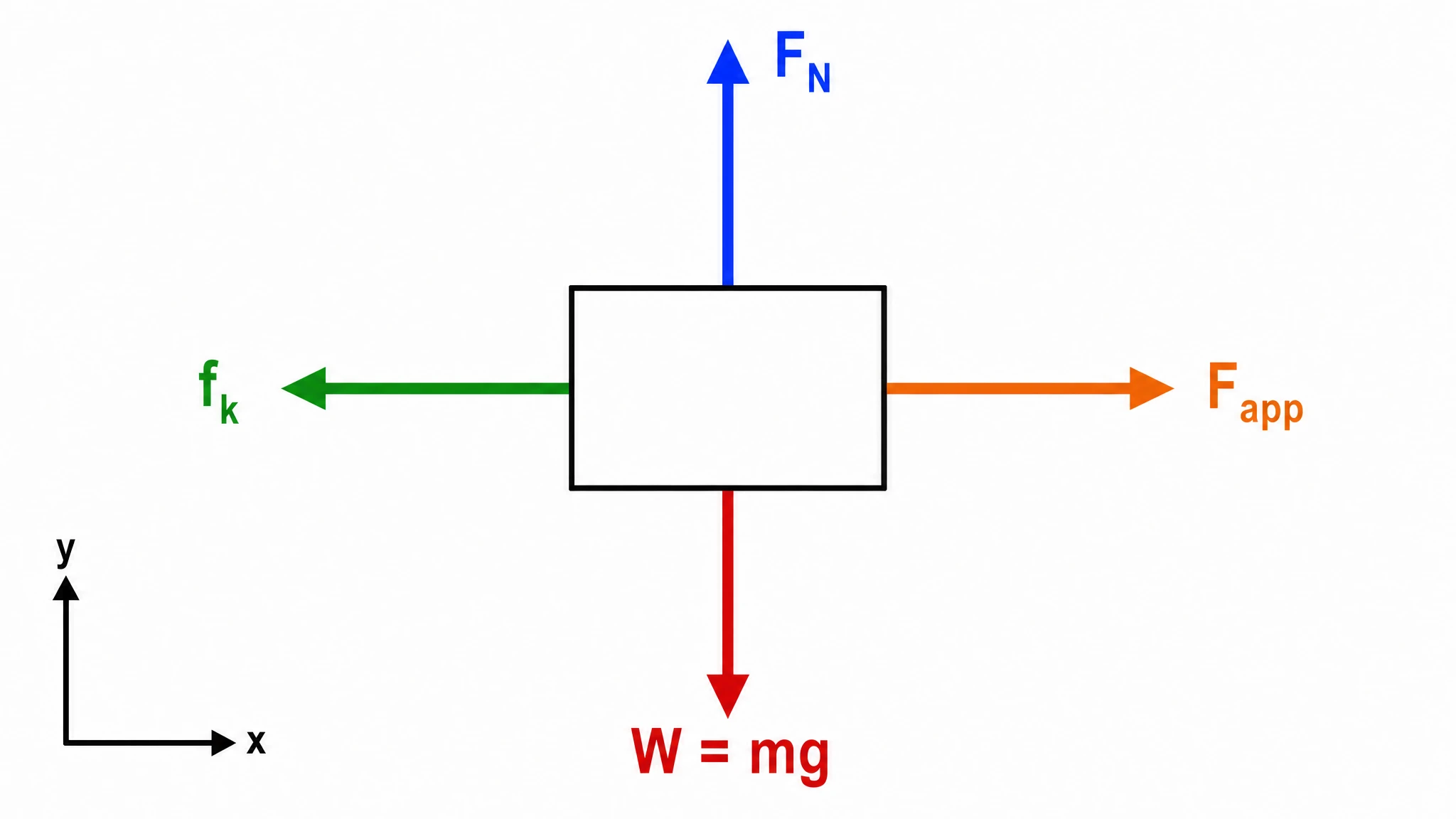
Free Body Diagram Generator
Create accurate, publication-ready free body diagrams with labeled force vectors for weight, normal force, friction, and tension in seconds.
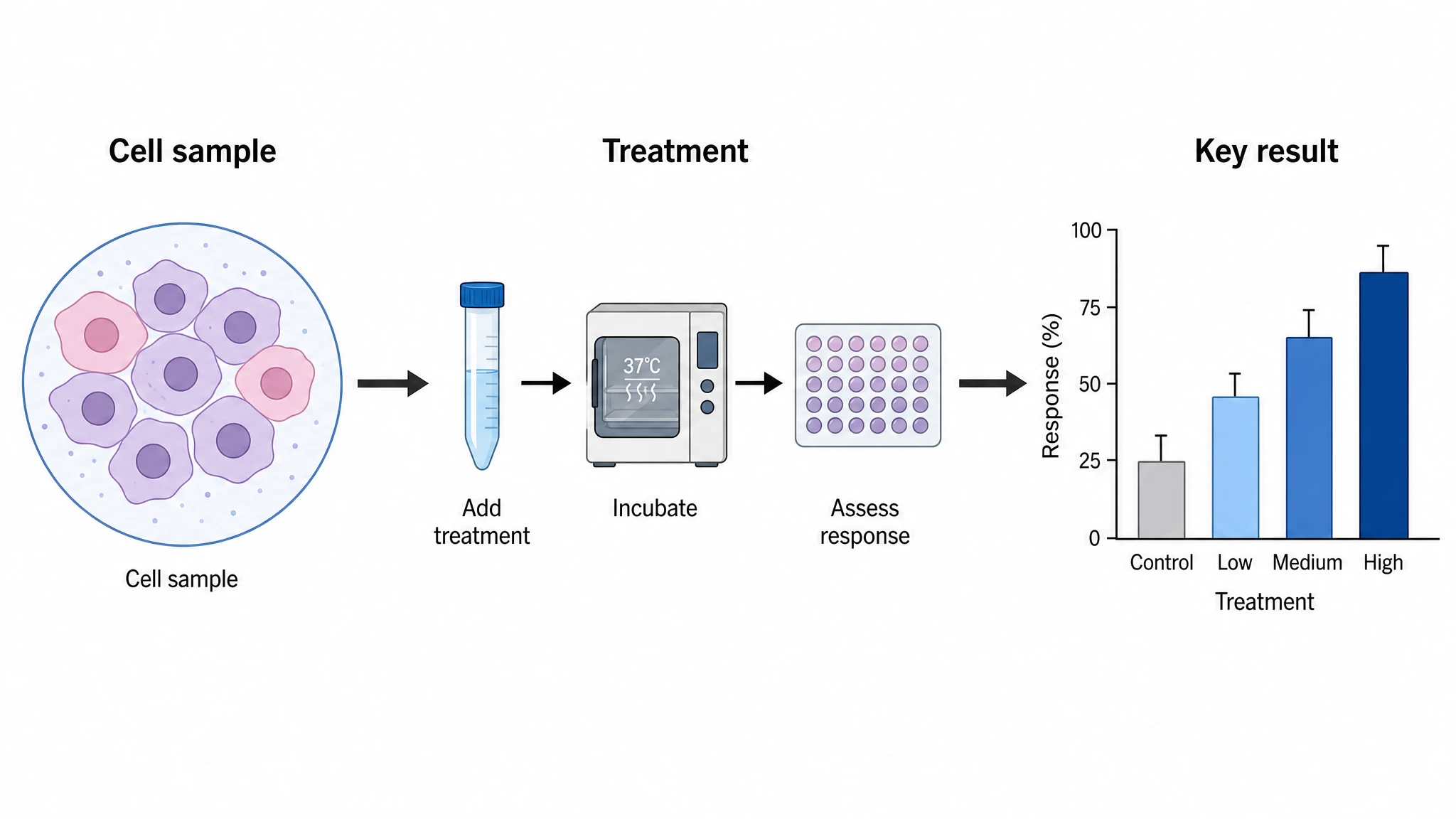
Graphical Abstract Maker
Generate a publication-ready graphical abstract — a single-panel visual summary that captures your study's methods, key finding, and result with clear icons and flow arrows.
Home
Free AI Scientific Figure Generator and Figure Maker — Create Research Figures, Images, Illustrations and Diagrams
Text-to-Figure
Generate a figure from a plain-language description
Models
Default to GPT Image 2 for journal papers; switch to Nano Banana Pro for slides and posters; pick Nano Banana 2 for routine figure work
Tutorials
Seven short walkthroughs of the AI scientific figure generator
Blog
Tutorials, tool comparisons, and publication tips for researchers.
Inspiration
Explore publication-ready scientific figure examples, copy the prompts, and use them as starting points for your own work.

Ready to publish?
Make your own Punnett square in minutes.
Start for freeFree to start · No credit card required · Built for researchers