
Free Body Diagram Generator
Create accurate, publication-ready free body diagrams with labeled force vectors for weight, normal force, friction, and tension in seconds.
Start with up to 150 free credits|No credit card required
Get up to 250 free credits on day one when you join through an invite.
Updated
Free Body Diagram Generator— templates & examples
Everything you need to draw and label a free body diagram
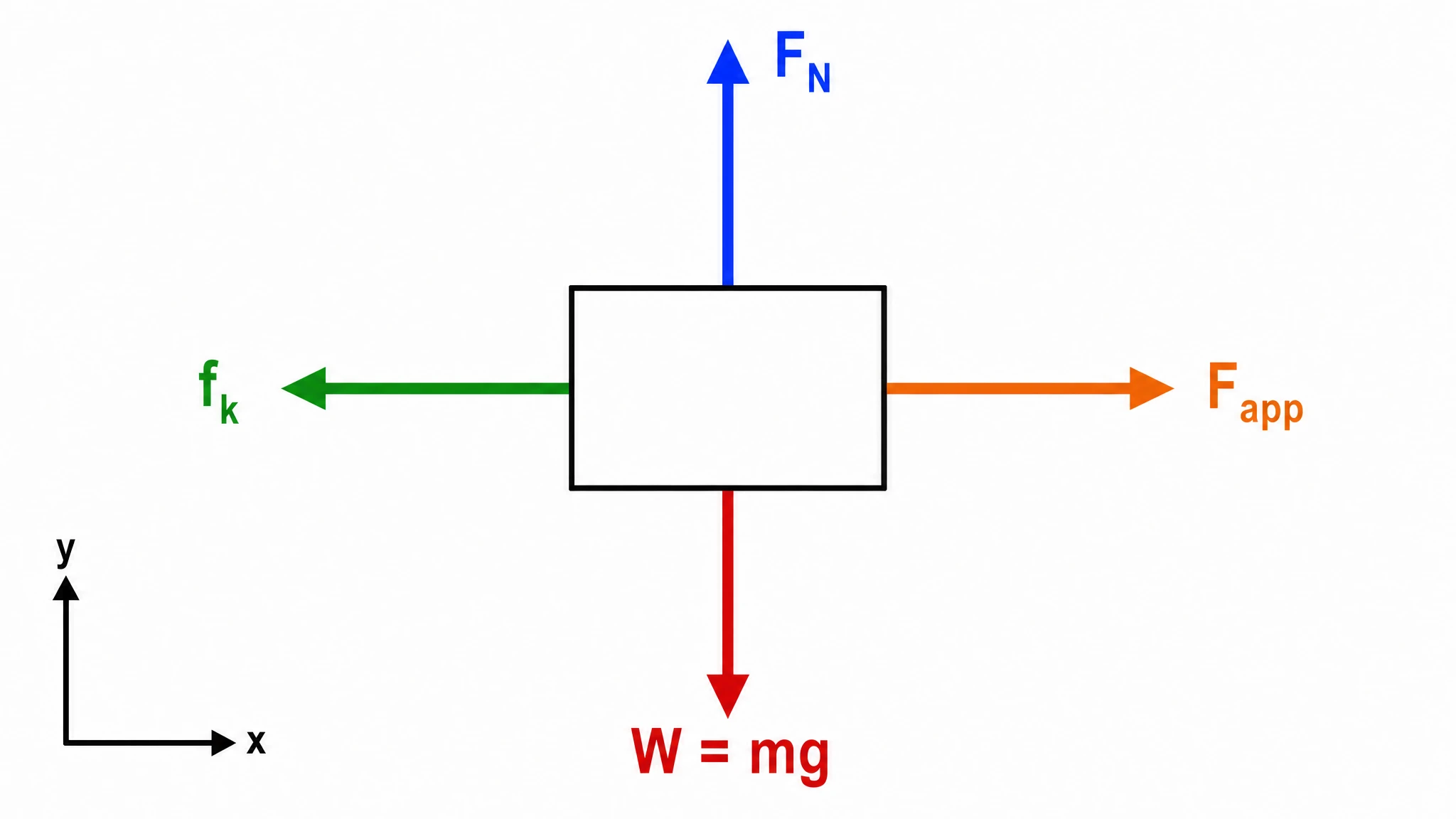
Label every force vector with physics precision
Accurate force representation is the core of any free body diagram: weight, normal force, friction, tension, and applied force must point in the right direction and carry the right symbol. This free body diagram maker uses your supplied forces and assumptions to create labeled vector arrows with standard notation (F_N, f_k, T, W). This free body diagram maker physics approach means you spend time analyzing the physics, not fighting drawing tools.
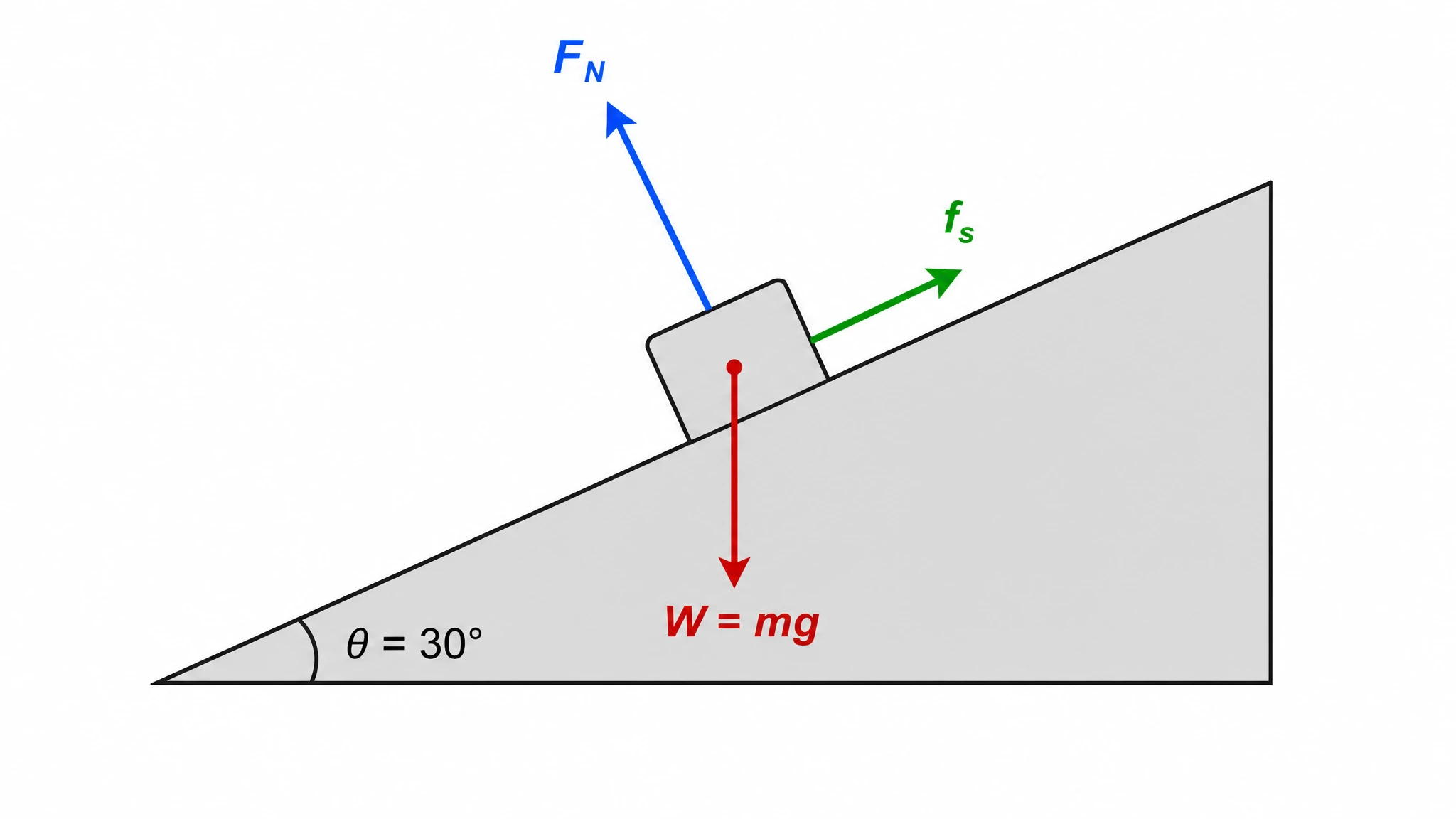
Generate diagrams for any scenario — flat surface, ramp, or hanging mass
Use the physics force diagram maker to illustrate a block on a floor, an object on a ramp or a suspended mass. Describe the contacts, friction direction, forces and labels, then use the FBD diagram maker to create the figure for your research or teaching material. Each diagram stays fully editable so you can adjust arrow lengths, add force labels, and fine-tune the layout for your specific problem or publication.
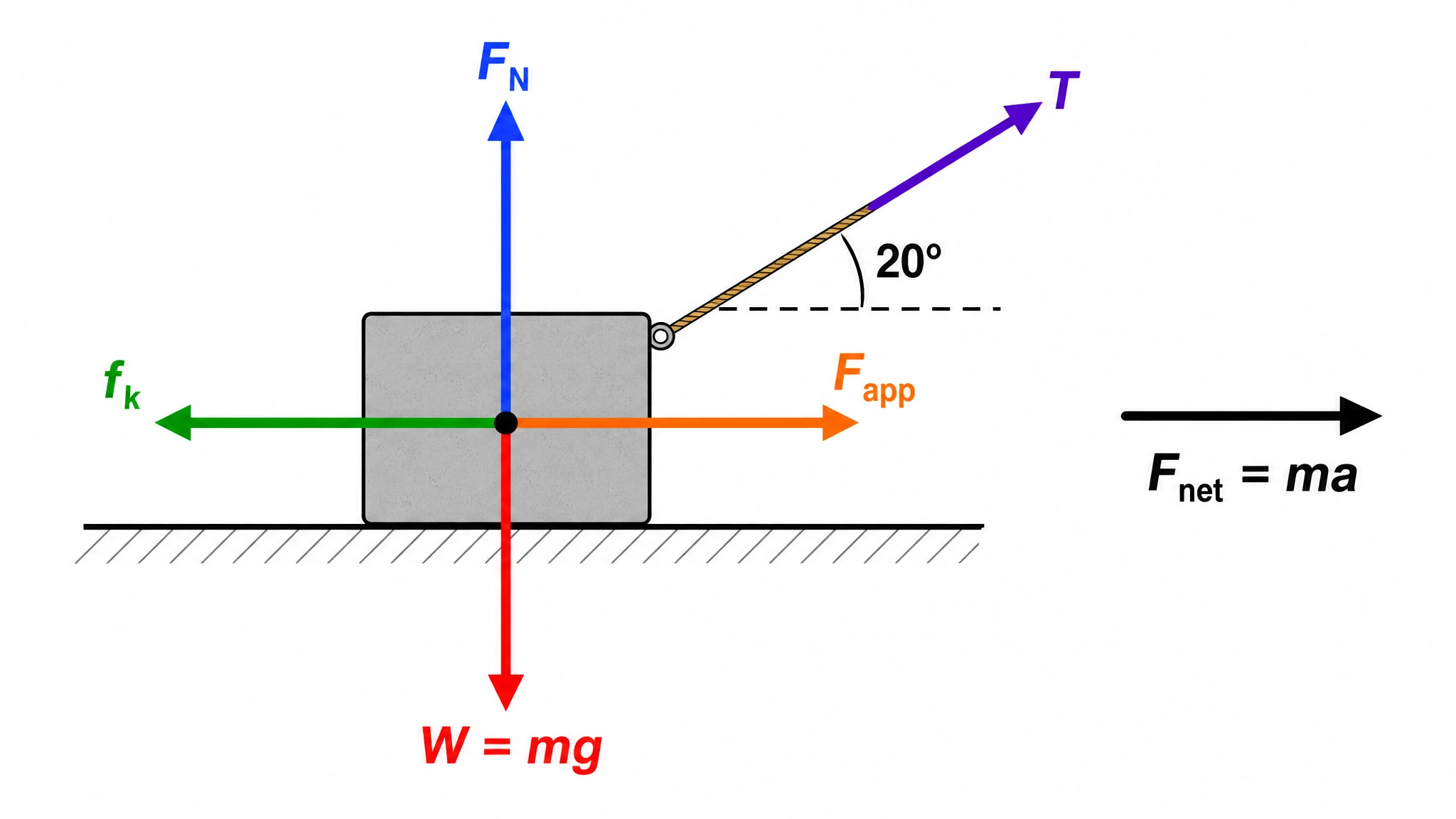
Export publication-ready FBDs for reports, textbooks, and presentations
A clean, well-labeled free body diagram strengthens any physics lab report, textbook chapter, or lecture slide. This force free body diagram program exports high-resolution images suitable for journals, course materials, and grant figures. Because the free body diagram creator keeps every vector and label editable, you can revisit your diagram whenever the problem setup changes — swap a kinetic friction force for static friction, update the mass label, or rotate the coordinate system — without starting over.
What is a free body diagram?
A free body diagram (FBD) isolates a single object and shows every external force acting on it as a labeled arrow — weight, normal force, friction, and tension. It is the foundation of Newtonian mechanics, used to apply Newton's second law and solve for unknown forces or acceleration. SciFig's free body diagram generator turns a plain-language description of the scenario into a clean, labeled diagram you can relabel and export for a lab report or textbook.
Why you need a free body diagram
- Free body diagrams are the first step in applying Newton's second law to any mechanics problem
- They isolate the object of interest and make all acting forces explicit before writing equations
- A correctly drawn free body diagram prevents sign errors when resolving forces into components
- Instructors and graders expect a labeled FBD as part of any complete mechanics solution
- Visualizing force directions with a free body diagram generator reduces conceptual errors in equilibrium and dynamics problems
- Publication-quality FBDs improve the clarity of physics papers, theses, and textbook figures
- Using a dedicated free body diagram maker saves significant time compared to drawing by hand or in generic graphics software
Key components of a free body diagram
- The object — represented as a simplified dot or box, isolated from its surroundings
- Weight vector (W = mg) — a downward arrow from the object's center representing gravitational force
- Normal force vector (F_N) — perpendicular to the contact surface, opposing compression
- Friction force vector (f_s or f_k) — parallel to the surface and opposing the object's motion or tendency to move
- Tension vector (T) — along any rope, string, or cable pulling on the object
- Applied force vector (F_app) — any additional push or pull from an external agent
- Coordinate axes — an x–y reference frame aligned with the motion or surface to simplify component calculations
Where free body diagrams are used
- Introductory and AP Physics courses for solving Newton's second law problems
- University-level mechanics, statics, and dynamics courses and textbooks
- Physics lab reports requiring a diagram of the experimental setup and forces
- Engineering statics and dynamics analysis of structures and mechanisms
- Biomechanics studies modeling forces on the human body during movement
- Science education materials, lecture slides, and online course content
How to make a free body diagram
Describe your free body diagram
Tell SciFig what to draw in plain language — no design tools required.
Generate with SciFig
Get a clean, publication-ready figure that matches your description in seconds.
Edit & export
Vectorize it into editable SVG, relabel everything, and export for your paper, poster, or slides.
Free Body Diagram Generator — Frequently Asked Questions
Common questions about Free Body Diagram Generator.
More tools

AI Scientific Image Generator
Generate research figures from text
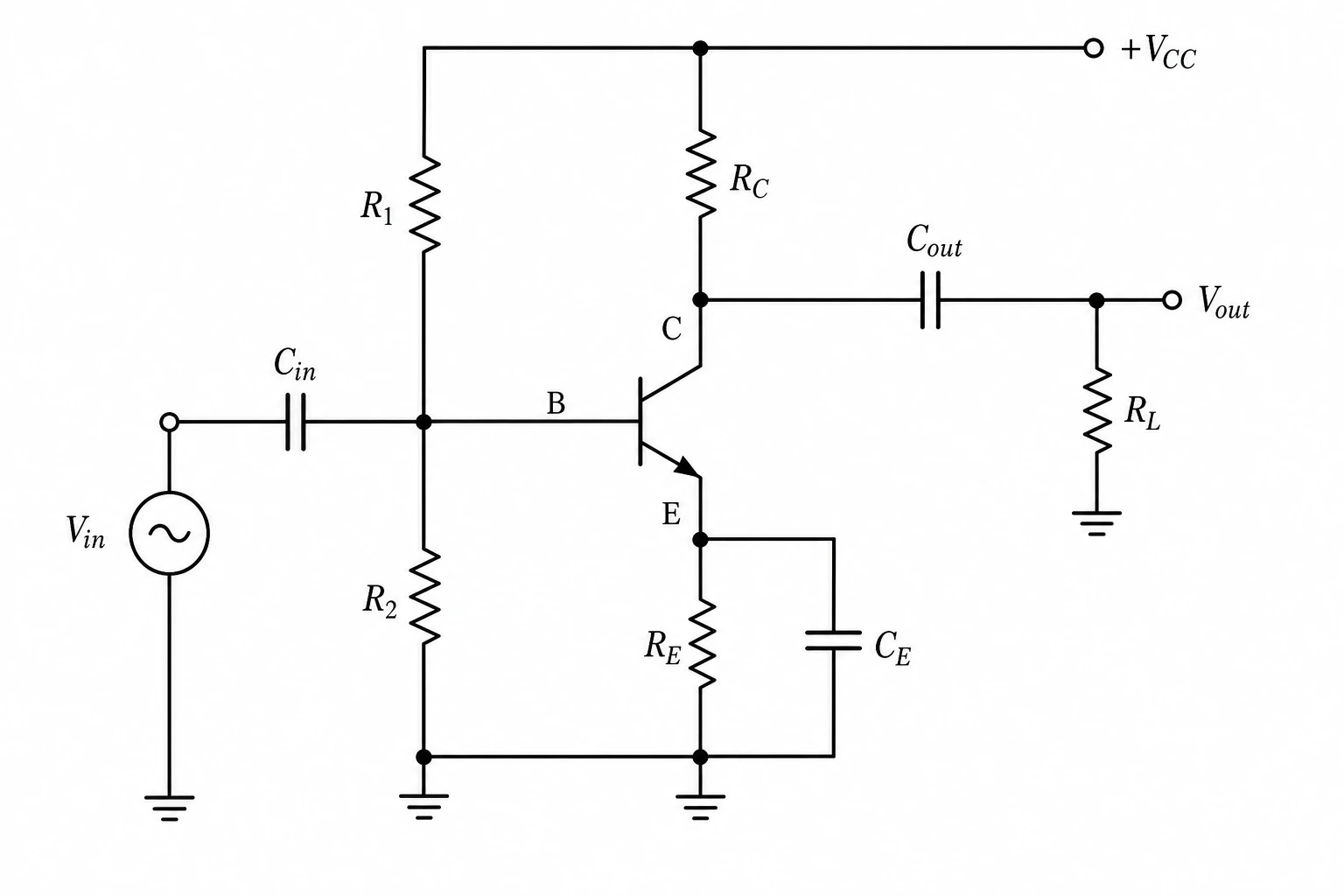
Circuit Diagram Maker
Draw electronic circuit schematics

Graphical Abstract Maker
Summarize your study in one panel
SciFig
Free AI Scientific Figure Generator for Illustrations, Images, Charts and Flowcharts
Models
Default to GPT Image 2 for journal papers; switch to Nano Banana Pro for slides and posters; pick Nano Banana 2.1 for routine figure work
Tutorials
Seven short walkthroughs of the AI scientific figure generator
Blog
Tutorials, tool comparisons, and publication tips for researchers.
Inspiration
Explore publication-ready illustrations, charts and flowcharts. Copy a prompt or open any template as the starting point for your own figure.
Pricing
View pricing

Ready to publish?
Make your own free body diagram in minutes.
Start for freeFree to start · No credit card required · Built for researchers