
Theoretical Framework Generator
Generate precise theoretical framework diagrams grounded in established theory — map constructs, propositions, and relationships for your thesis or paper.
Figure prompt
Describe the figure you want to create
Not sure where to start? Use Example.
Start with 100 free credits|No credit card required
Get up to 300 free credits on day one when you join through an invite.
Reviewed by SciFig TeamUpdated
Theoretical Framework Generator— templates & examples
Everything you need to build your theoretical framework

Map named theories to your research variables
A strong theoretical framework diagram shows which established theories ground your study and how their core constructs connect to your research variables. Describe the theories — social cognitive theory, diffusion of innovations, or any other named model — and SciFig's theoretical framework generator lays them out as labeled boxes with directional arrows linking theoretical propositions to your study's variables. This is the structure thesis committees and journal reviewers expect to see in a theoretical framework chapter.
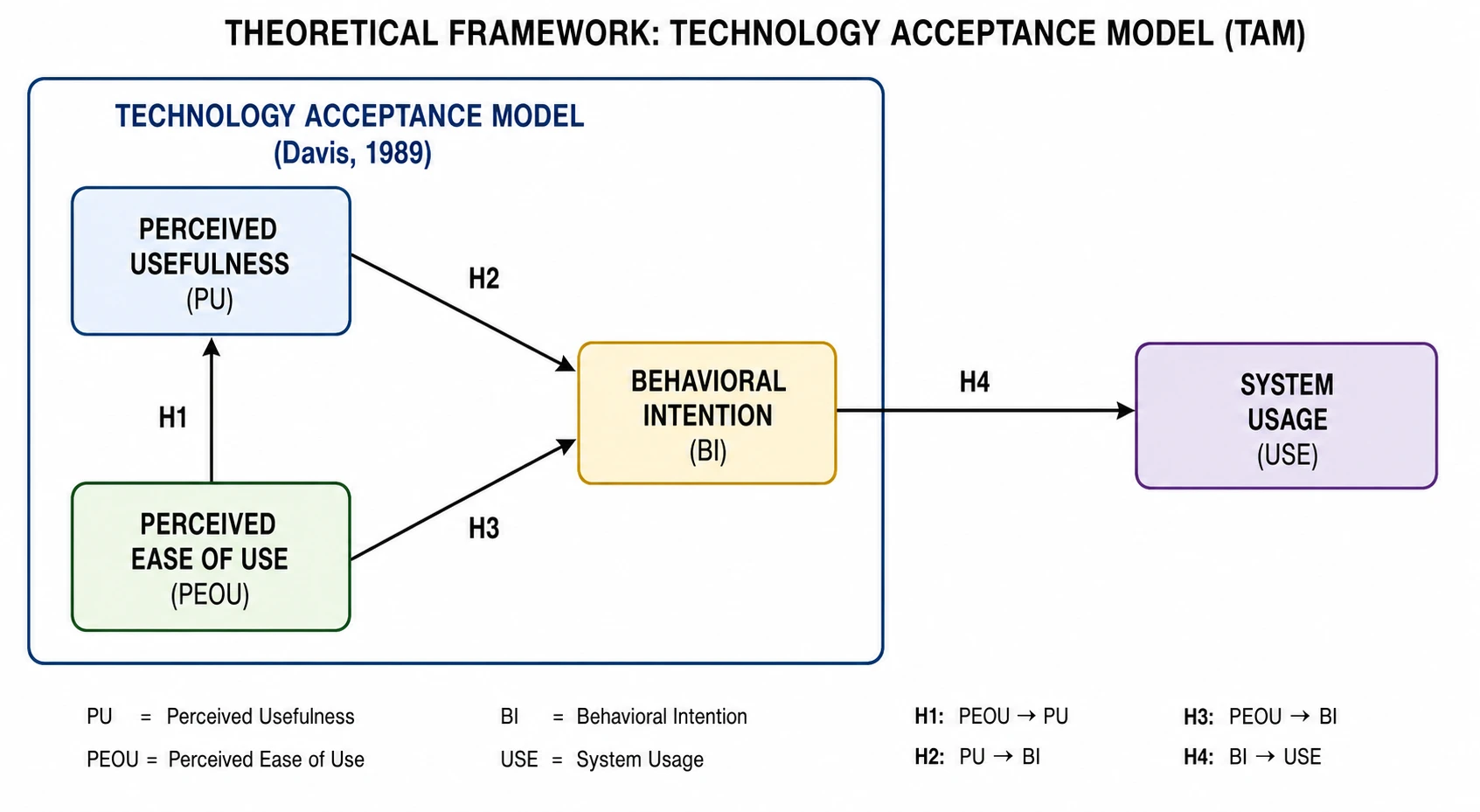
Start from a theoretical framework template
Generate a reusable theoretical framework template with empty theory boxes and construct nodes, then fill in your own scholarly sources. SciFig also provides worked theoretical framework examples — technology acceptance model for IS research, social cognitive theory for health behavior, and resource-based view for business strategy — showing how a complete theoretical framework diagram is structured before you adapt it to your own study.
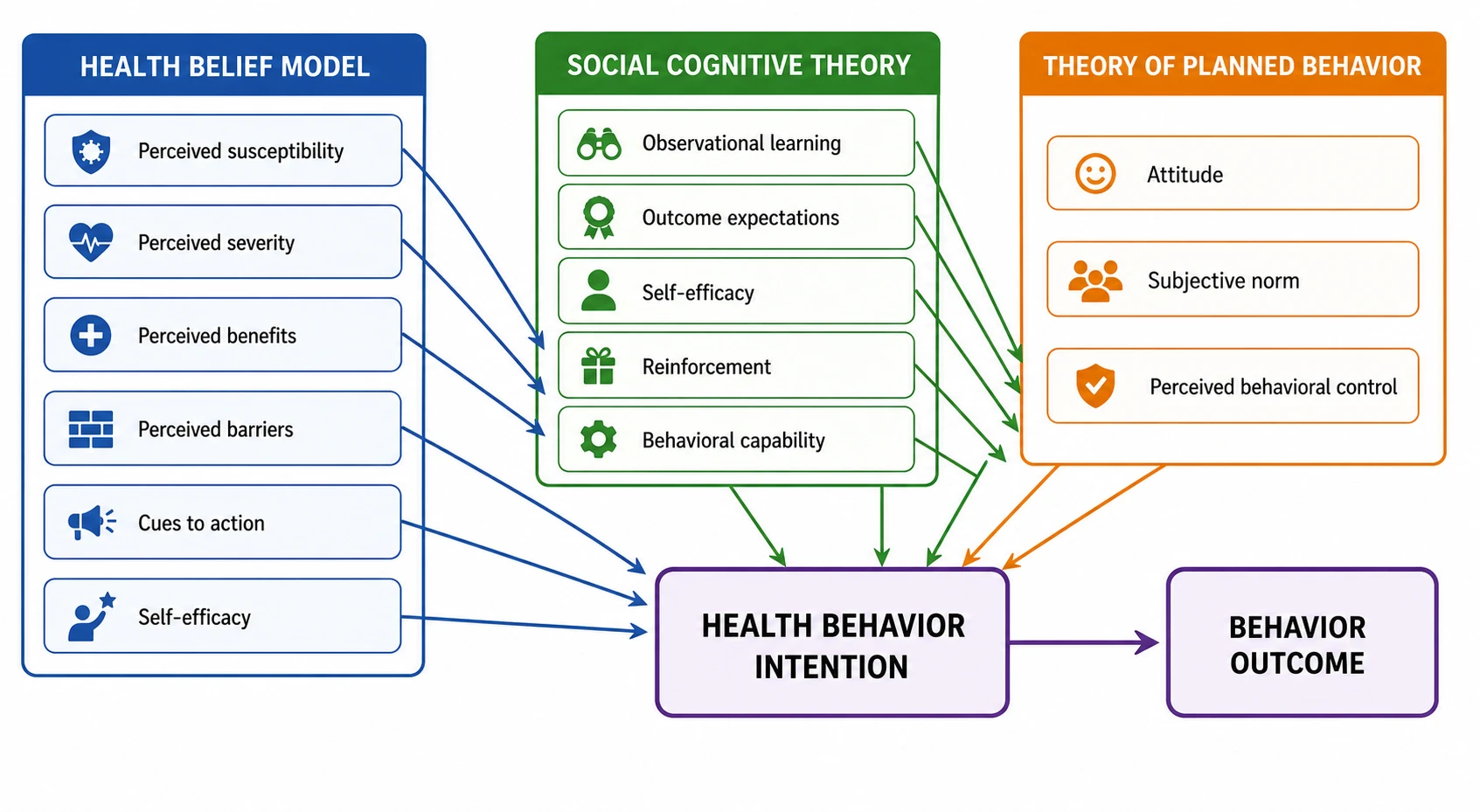
Export a publication-ready theoretical framework diagram
Download a clean, high-resolution theoretical framework diagram for your dissertation chapter, manuscript, or grant proposal. SciFig's theoretical framework generator keeps every construct box, theory label, and arrow fully editable so you can update the theoretical grounding as your literature review evolves. Revisit and refine your theoretical framework diagram anytime before submission.
What is a theoretical framework?
A theoretical framework is the set of established theories that underpins a research study, naming the scholarly lenses used to interpret data. Unlike a conceptual framework, which maps the researcher's own variable model, a theoretical framework is grounded in named theories such as social cognitive theory or diffusion of innovations. With SciFig's theoretical framework generator you describe the relevant theories and generate a labeled theoretical framework diagram for your thesis or paper.
Why you need a theoretical framework
- Grounds your research in established scholarship and justifies your study's approach
- Required in the methodology or literature review chapter of most dissertations
- Shows reviewers which theoretical lenses guide your data collection and analysis
- Connects your specific research variables to broader academic debate
- Distinguishes your study's theoretical basis from its empirical conceptual model
- Demonstrates scholarly rigor and situates your work within an existing body of theory
Key components of a theoretical framework
- Named theories — established models cited from the literature (e.g., TAM, SCT)
- Core constructs — the central concepts or variables derived from each theory
- Theoretical propositions — the relationships between constructs stated by the theory
- Research variables — the specific operationalizations of constructs in your study
- Arrows — directional links from theoretical propositions to research hypotheses
- Citations — author and year labels anchoring each theory box to the literature
Where theoretical frameworks are used
- Dissertation and thesis methodology chapters across all disciplines
- Research papers and peer-reviewed journal articles in the social sciences
- Grant proposals requiring a theoretical rationale for the research design
- Systematic reviews grounding analysis in a theoretical perspective
- Education, nursing, business, and health research study designs
- Qualitative, quantitative, and mixed-methods research frameworks
How to make a theoretical framework
Describe your theoretical framework
Tell SciFig what to draw in plain language — no design tools required.
Generate with SciFig
Get a clean, publication-ready figure that matches your description in seconds.
Edit & export
Vectorize it into editable SVG, relabel everything, and export for your paper, poster, or slides.
Theoretical Framework Generator — Frequently Asked Questions
Common questions about Theoretical Framework Generator.
More tools

Circuit Diagram Maker
Generate accurate circuit diagrams with labeled schematic symbols for research papers, lab reports, and technical publications.
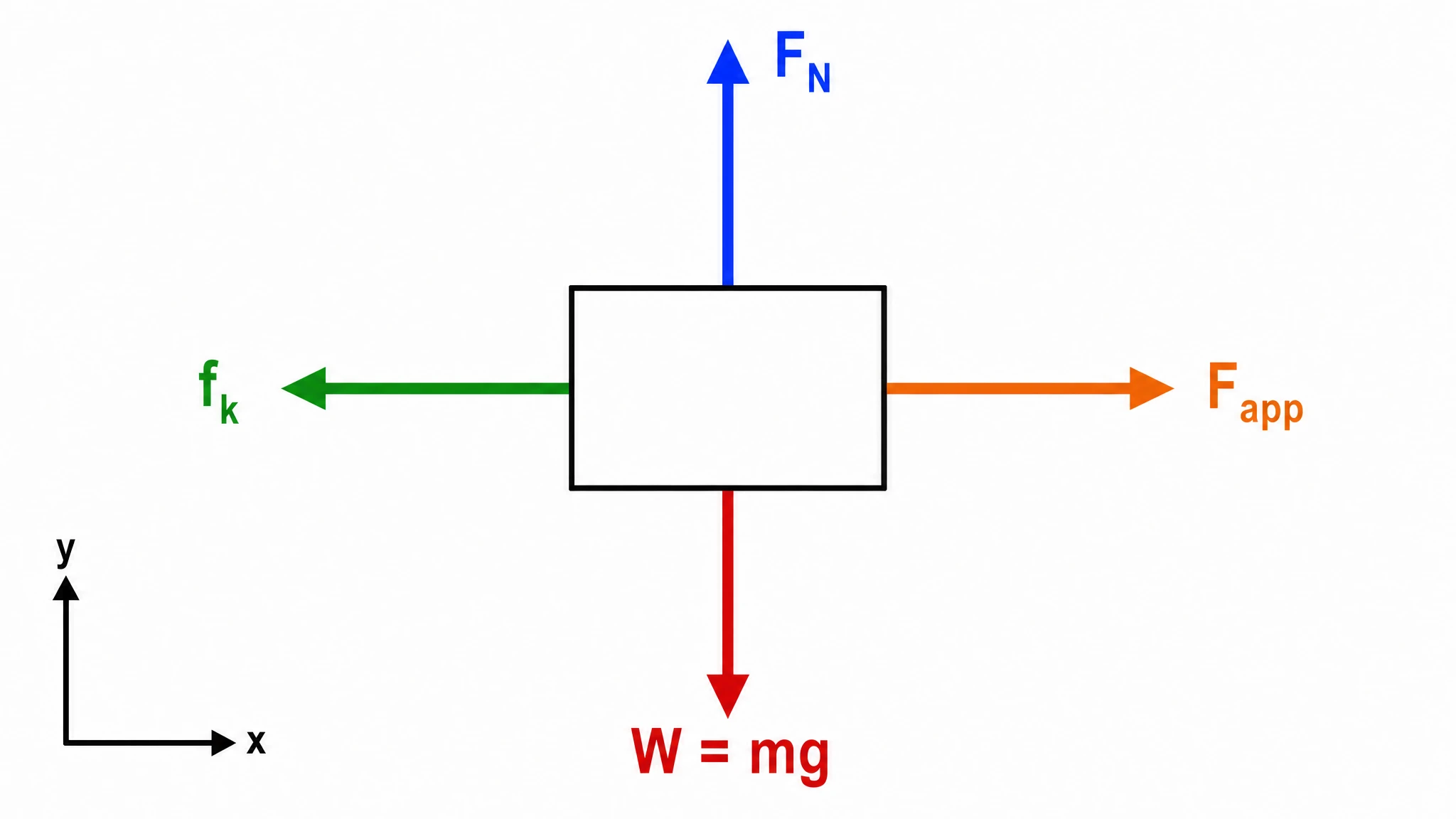
Free Body Diagram Generator
Create accurate, publication-ready free body diagrams with labeled force vectors for weight, normal force, friction, and tension in seconds.

Graphical Abstract Maker
Generate a publication-ready graphical abstract — a single-panel visual summary that captures your study's methods, key finding, and result with clear icons and flow arrows.
Home
Free AI Scientific Figure Generator and Figure Maker — Create Research Figures, Images, Illustrations and Diagrams
Text-to-Figure
Generate a figure from a plain-language description
Models
Default to GPT Image 2 for journal papers; switch to Nano Banana Pro for slides and posters; pick Nano Banana 2 for routine figure work
Tutorials
Seven short walkthroughs of the AI scientific figure generator
Blog
Tutorials, tool comparisons, and publication tips for researchers.
Inspiration
Explore publication-ready scientific figure examples, copy the prompts, and use them as starting points for your own work.

Ready to publish?
Make your own theoretical framework in minutes.
Start for freeFree to start · No credit card required · Built for researchers