
Lewis Dot Structure Generator
Create precise Lewis dot structure diagrams showing valence electrons, lone pairs, and formal charges for any molecule or polyatomic ion.
Figure prompt
Describe the figure you want to create
Not sure where to start? Use Example.
Start with 100 free credits|No credit card required
Get up to 300 free credits on day one when you join through an invite.
Reviewed by SciFig TeamUpdated
Lewis Dot Structure Generator— templates & examples
Everything you need to draw and label Lewis dot structures
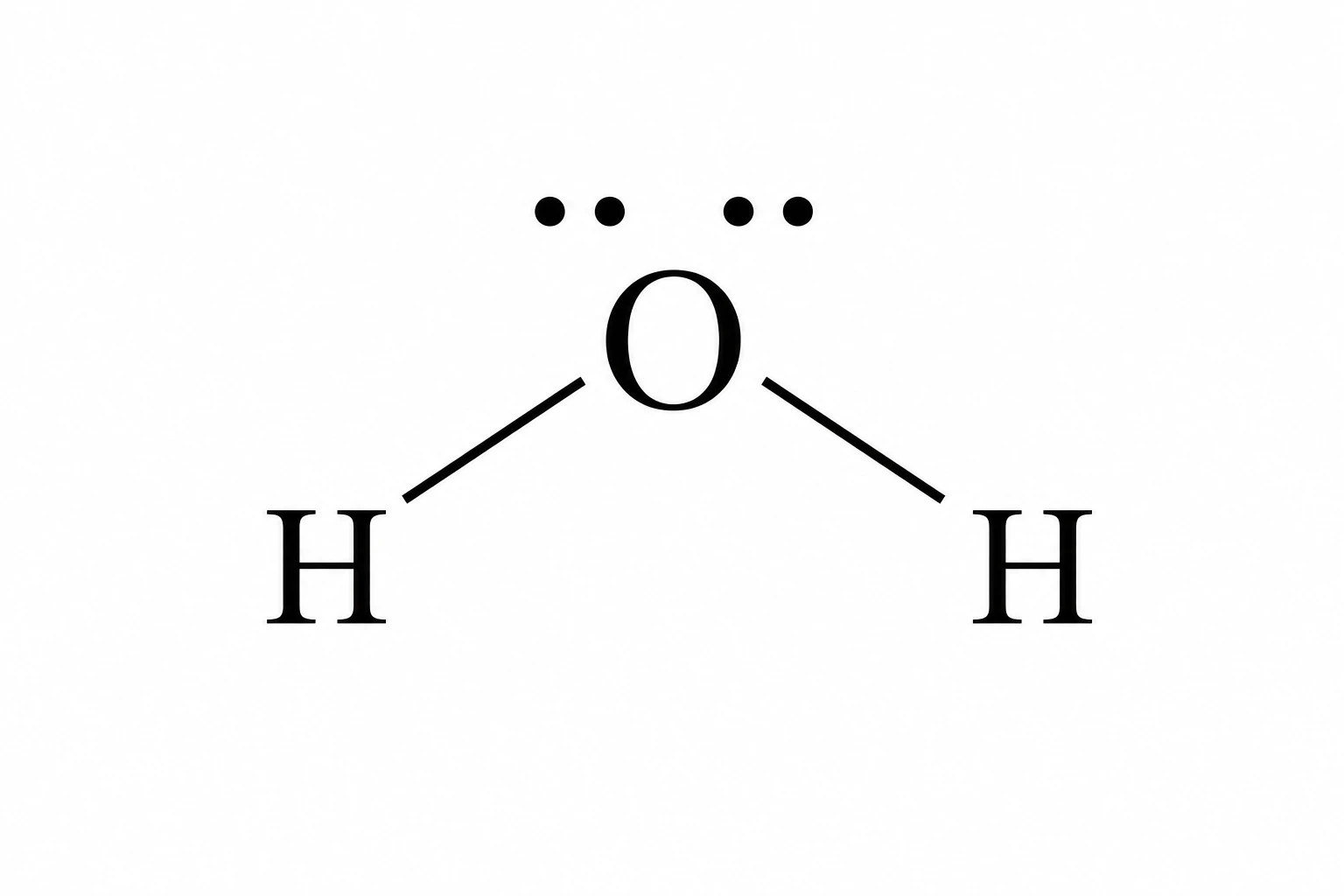
Accurate valence electrons and formal charges
A correct Lewis dot structure places exactly the right number of valence electrons on each atom and assigns formal charges that sum to the overall molecular charge. SciFig's Lewis dot structure generator counts valence electrons automatically, satisfies the octet rule, and labels formal charges on every atom — so your lewis structure diagram is chemically accurate the first time.
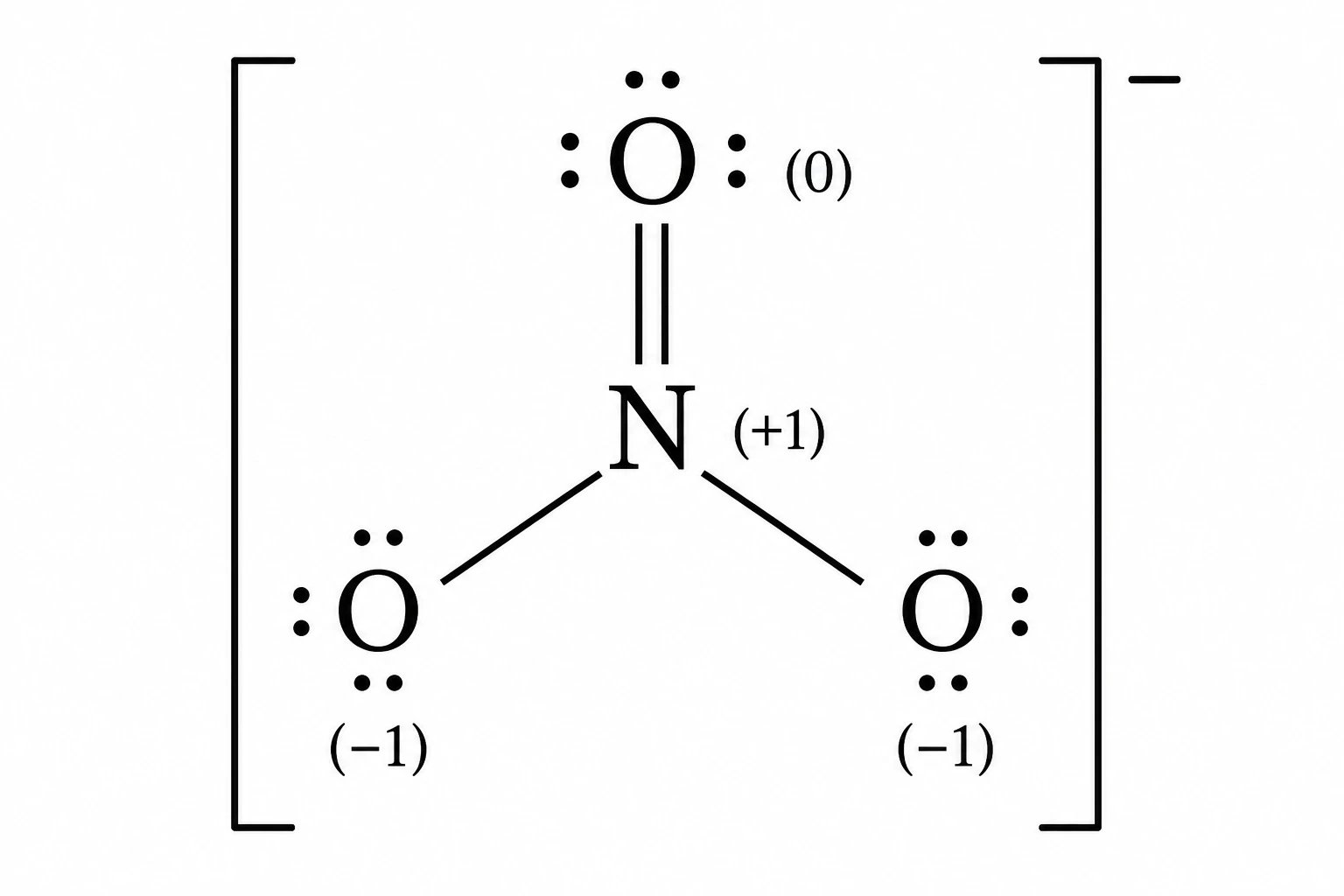
Visualize lone pairs and bonding pairs clearly
Distinguishing lone pairs from bonding pairs is essential for predicting molecular geometry using VSEPR theory. SciFig's Lewis dot structure creator renders lone pairs as explicit dot pairs next to each atom and bonding pairs as clean lines between atoms, producing the clear visual style expected in textbooks and peer-reviewed journals.
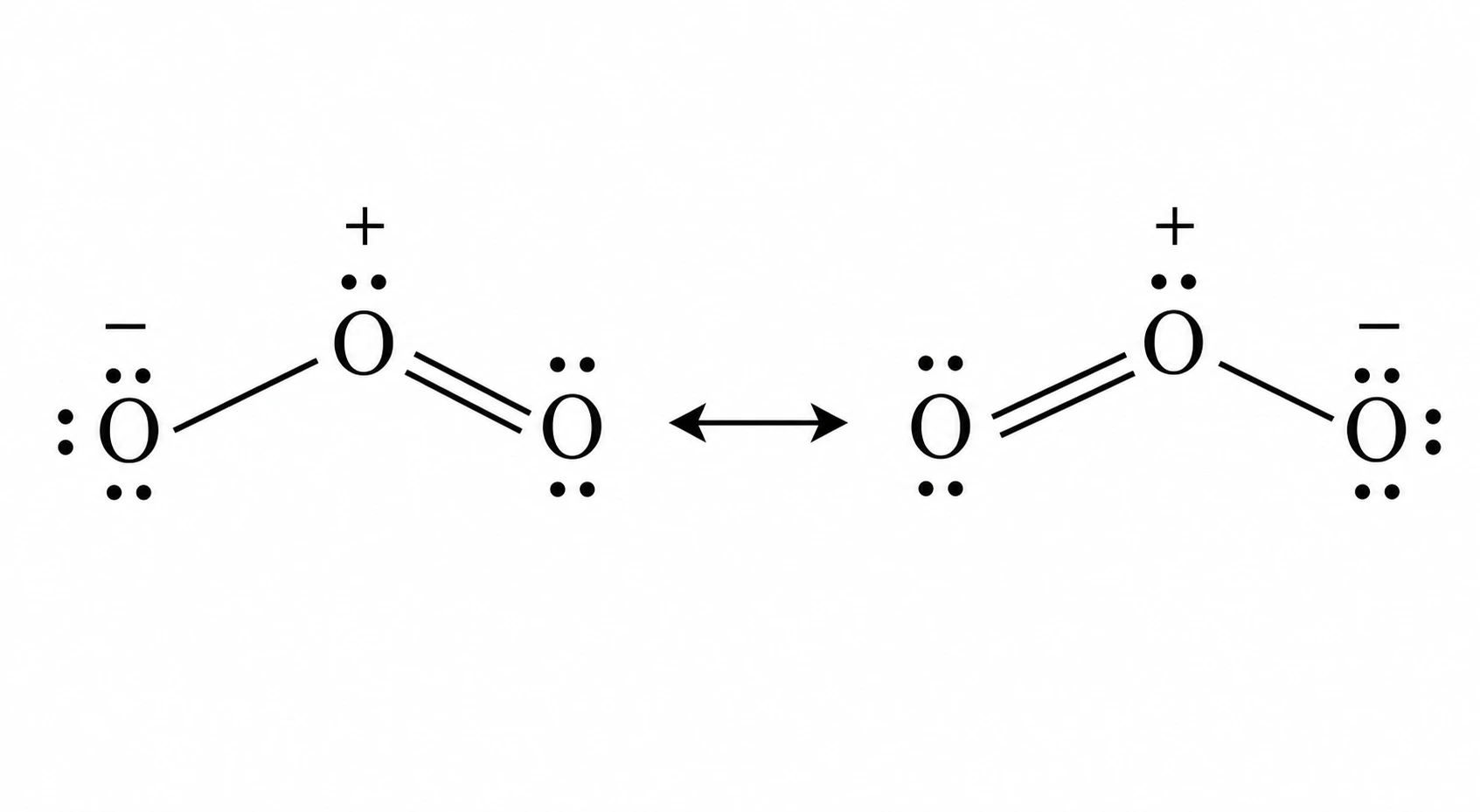
Export publication-ready Lewis structure figures
Whether you need a Lewis structure for a lab report, a course textbook, or a chemistry publication, SciFig exports crisp, fully editable diagrams at any resolution. Use the Lewis structure formal charge generator to annotate charges, then export as SVG or high-resolution image for any format.
What is a Lewis dot structure?
A Lewis dot structure is a diagram using dots for valence electrons around atomic symbols, with lines for bonding pairs and dots for lone pairs, used to predict molecular geometry and formal charge. Chemists rely on Lewis structures for covalent and ionic compounds across general, organic, and biochemistry. With SciFig's lewis dot structure generator you describe any molecule or ion and receive a clean, publication-ready diagram showing every electron pair in its correct position.
Why Lewis dot structures matter in chemistry
- Show how valence electrons are distributed in covalent and ionic compounds
- Predict molecular geometry through VSEPR theory using lone pair positions
- Calculate formal charges to identify the most stable electron arrangement
- Visualize resonance structures and delocalized electron systems
- Required for general chemistry, organic chemistry, and biochemistry coursework
- Foundation for understanding reactivity, polarity, and molecular properties
Key components of a Lewis dot structure diagram
- Atomic symbols — represent each element by its chemical symbol at the center or periphery
- Valence electron dots — shown as pairs of dots placed on each of the four sides of the atomic symbol
- Bonding pairs — electron pairs shared between atoms, shown as lines (single, double, or triple bonds)
- Lone pairs — non-bonding electron pairs shown as dot pairs on the atom that holds them
- Formal charge labels — integer values assigned to each atom indicating electron accounting
- Bracket notation — used for polyatomic ions to show the overall charge of the species
Where Lewis dot structures are used
- General chemistry and advanced placement (AP) chemistry courses
- Organic chemistry reaction mechanisms and bond polarity analysis
- Biochemistry diagrams for amino acids, nucleotides, and metabolites
- Physical chemistry research papers and laboratory reports
- Textbook figures and educational materials for chemistry instruction
- Standardized exam preparation including MCAT, DAT, and GCSE chemistry
How to make a Lewis dot structure
Describe your Lewis dot structure
Tell SciFig what to draw in plain language — no design tools required.
Generate with SciFig
Get a clean, publication-ready figure that matches your description in seconds.
Edit & export
Vectorize it into editable SVG, relabel everything, and export for your paper, poster, or slides.
Lewis Dot Structure Generator — Frequently Asked Questions
Common questions about Lewis Dot Structure Generator.
More tools
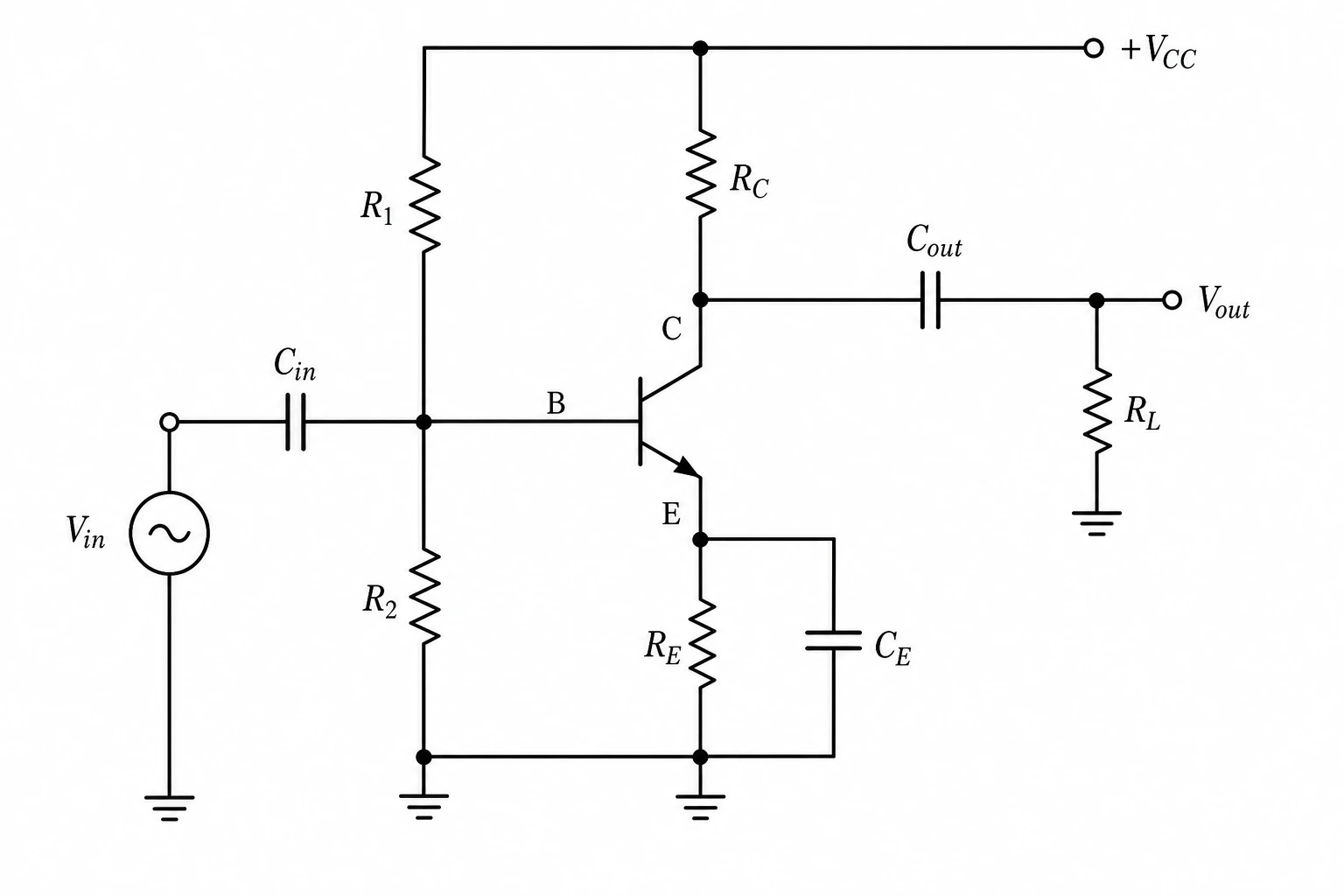
Circuit Diagram Maker
Generate accurate circuit diagrams with labeled schematic symbols for research papers, lab reports, and technical publications.
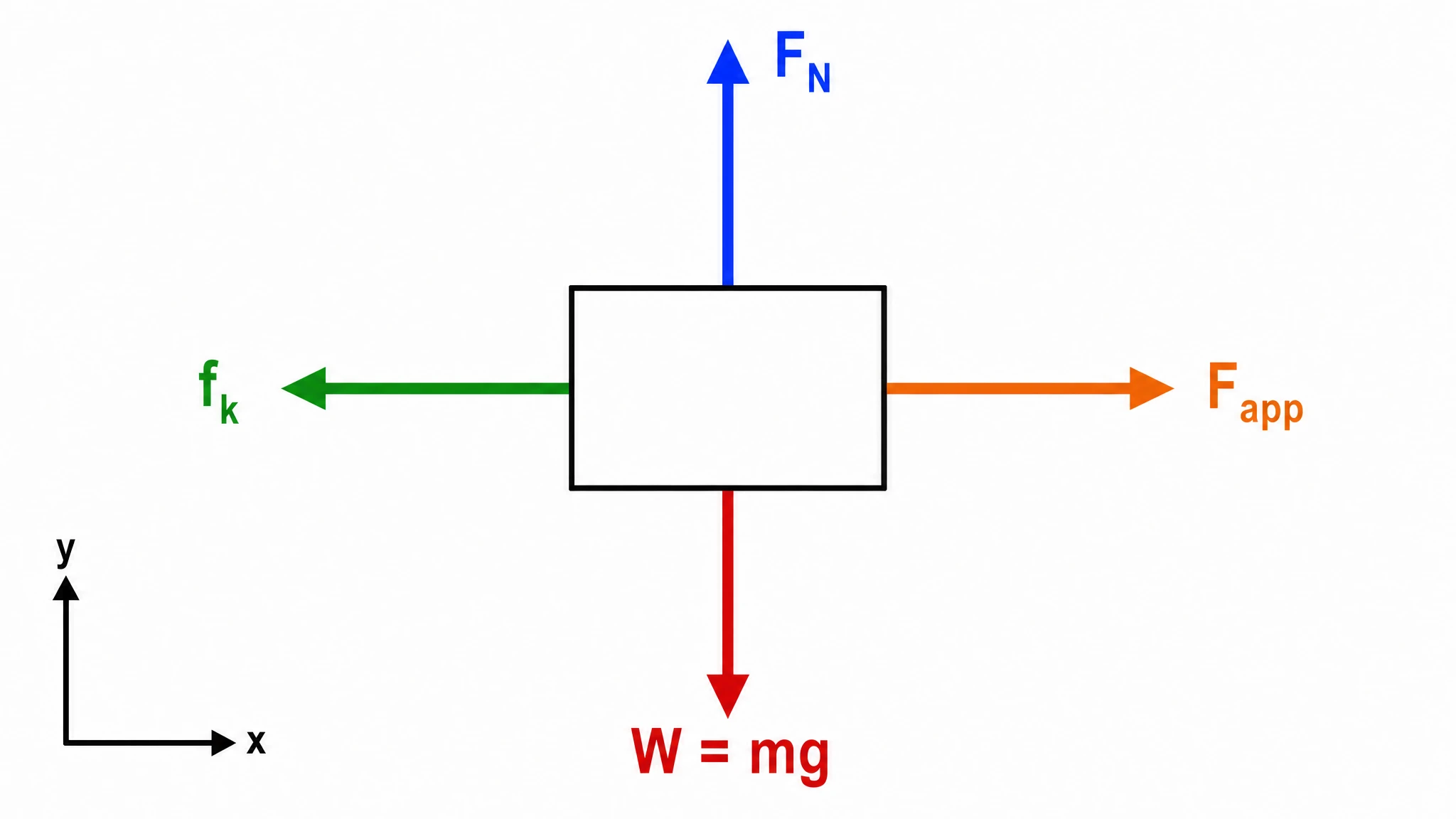
Free Body Diagram Generator
Create accurate, publication-ready free body diagrams with labeled force vectors for weight, normal force, friction, and tension in seconds.

Graphical Abstract Maker
Generate a publication-ready graphical abstract — a single-panel visual summary that captures your study's methods, key finding, and result with clear icons and flow arrows.
Home
Free AI Scientific Figure Generator and Figure Maker — Create Research Figures, Images, Illustrations and Diagrams
Text-to-Figure
Generate a figure from a plain-language description
Models
Default to GPT Image 2 for journal papers; switch to Nano Banana Pro for slides and posters; pick Nano Banana 2 for routine figure work
Tutorials
Seven short walkthroughs of the AI scientific figure generator
Blog
Tutorials, tool comparisons, and publication tips for researchers.
Inspiration
Explore publication-ready scientific figure examples, copy the prompts, and use them as starting points for your own work.

Ready to publish?
Make your own Lewis dot structure in minutes.
Start for freeFree to start · No credit card required · Built for researchers