
Chemistry Structure Generator
Generate accurate chemistry structure diagrams — skeletal formulas, organic compound structures, and line-bond figures — publication-ready in seconds.
Figure prompt
Describe the figure you want to create
Not sure where to start? Use Example.
Start with 100 free credits|No credit card required
Get up to 300 free credits on day one when you join through an invite.
Reviewed by SciFig TeamUpdated
Chemistry Structure Generator— templates & examples
Everything you need to create accurate chemistry structure diagrams
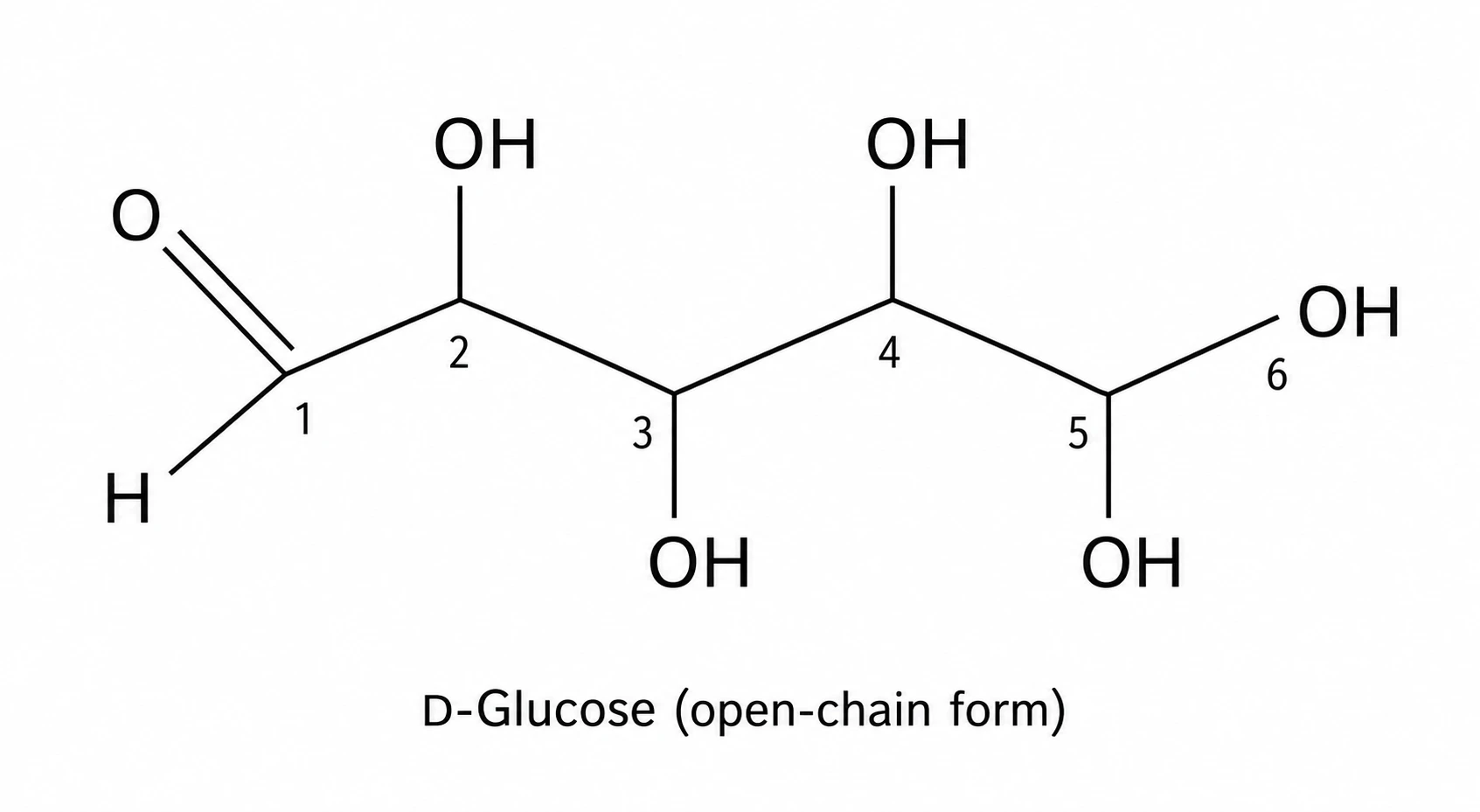
Generate any organic compound structure from a description
Whether you need a skeletal formula for a simple alkane or a multi-ring aromatic compound, SciFig's chemistry structure generator interprets your description and draws the correct line-bond structure. The organic compound creator handles IUPAC names, common names, and plain-language descriptions — so you get an accurate chemistry structure without manual drawing tools. Used as a create compound structure generator, it turns a single name such as cyclohexanone into a correctly bonded skeletal drawing in seconds, with no bond-snapping or template libraries involved.
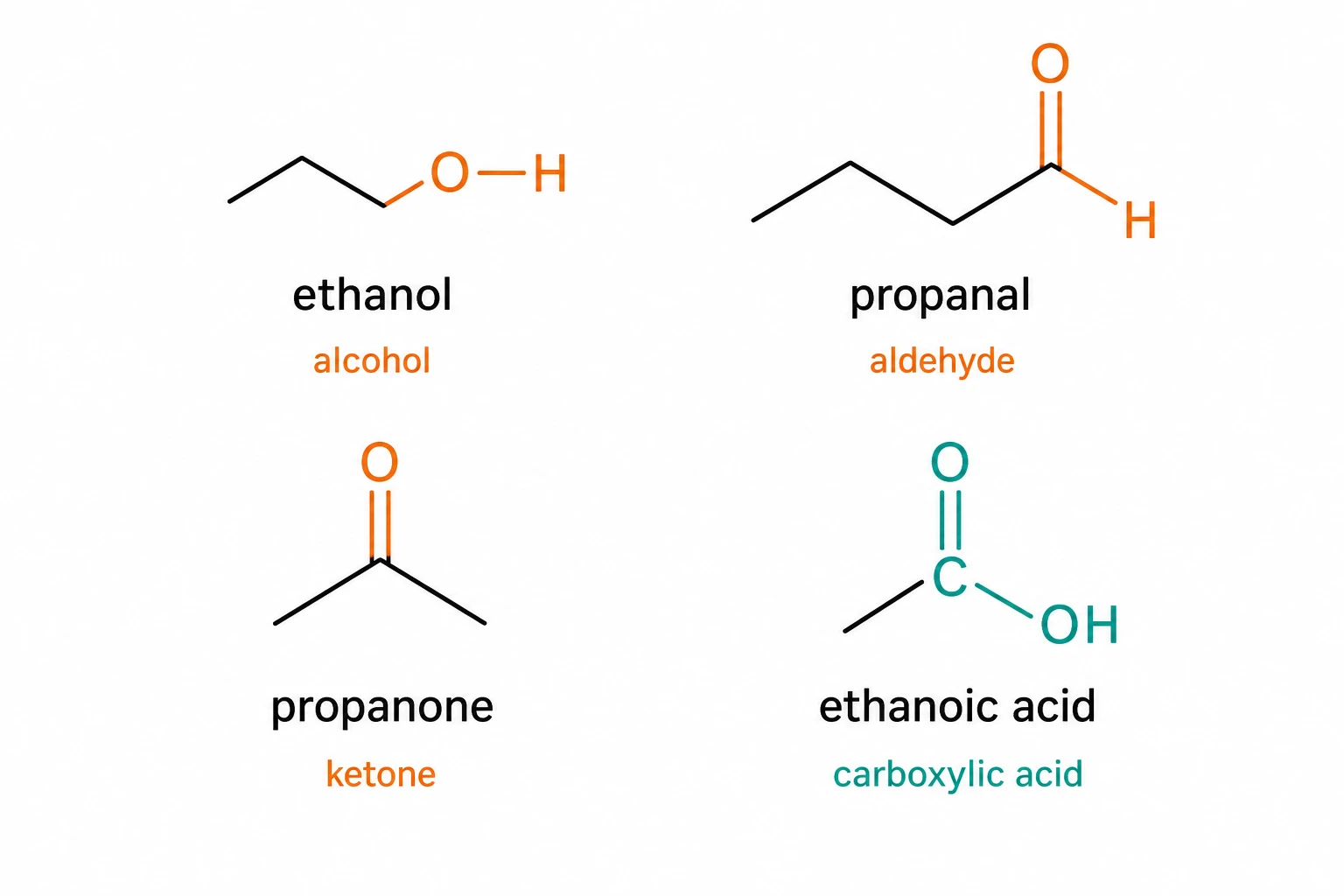
Label functional groups and reaction sites
Organic chemistry diagram generators are most useful when functional groups are clearly identified. SciFig labels hydroxyl, carbonyl, carboxyl, amino, and other groups directly on the structure, making it easy to annotate reactive sites for mechanism diagrams, retrosynthesis schemes, or teaching materials. As an online chemical structure drawing software it runs entirely in the browser, so the same figure is reachable from a lab desktop, a laptop, or a shared teaching machine without syncing files.
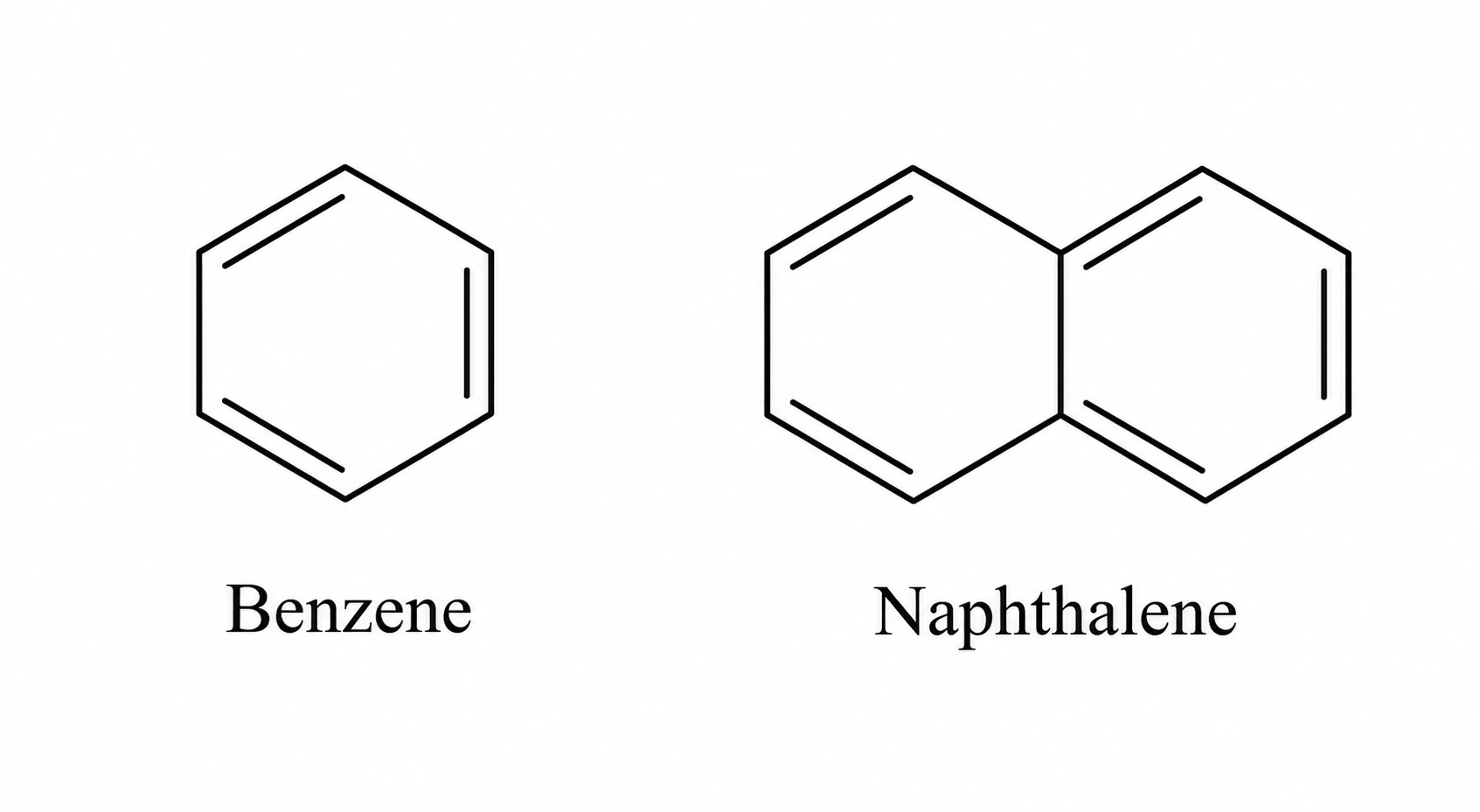
Export clean organic line structures for papers and coursework
SciFig is a free online tool to draw chemical structures at the resolution required by journals and textbooks — no desktop install, no license key. Every chemistry structure diagram is fully editable: resize, relabel, and adjust bond angles before exporting as a high-resolution image or vector file for any document format. Unlike most online chemical structure drawing software, it starts from a plain-language description rather than a template library, so you never hunt for the right ring or bond tool.
What is a chemistry structure?
A chemistry structure is a visual representation of a molecule — typically a skeletal line formula where carbon atoms appear at line junctions and hydrogens bonded to carbon are omitted — communicating connectivity, stereochemistry, and functional groups. These diagrams are used in organic chemistry coursework, research papers, and filings. With SciFig's chemistry structure generator you describe any compound and receive an editable structural diagram for lab reports or journals.
Why accurate chemistry structure diagrams matter
- Communicate molecular connectivity, stereochemistry, and functional groups unambiguously
- Required in every organic chemistry course, lab report, and research publication
- Enable readers to predict reactivity, polarity, and physical properties at a glance
- Provide the structural basis for reaction mechanisms and retrosynthesis planning
- Essential for patent applications, pharmaceutical filings, and regulatory submissions
- Standardized skeletal line structures are the universal notation across chemistry disciplines
Key components of a chemistry structure diagram
- Carbon backbone — implied at line junctions in skeletal formulas; shown explicitly in condensed formulas
- Heteroatoms — oxygen, nitrogen, sulfur, and halogens shown with their symbols and lone pairs where relevant
- Bond lines — single, double, and triple bonds represented as one, two, or three parallel lines
- Functional group labels — hydroxyl, carbonyl, carboxyl, amino, and other groups labeled for clarity
- Stereochemistry wedges — dashed and solid wedge bonds to indicate three-dimensional arrangement
- Ring systems — cyclic structures including benzene, cyclohexane, and fused bicyclic frameworks
Where chemistry structure diagrams are used
- Undergraduate and graduate organic chemistry coursework and lab reports
- Peer-reviewed research papers in synthetic, medicinal, and physical organic chemistry
- Biochemistry textbooks illustrating amino acids, lipids, and nucleic acid bases
- Pharmaceutical research and drug discovery documentation
- Chemistry education materials, slide decks, and examination papers
- Patent applications requiring precise structural representation of novel compounds
How to make a chemistry structure
Describe your chemistry structure
Tell SciFig what to draw in plain language — no design tools required.
Generate with SciFig
Get a clean, publication-ready figure that matches your description in seconds.
Edit & export
Vectorize it into editable SVG, relabel everything, and export for your paper, poster, or slides.
Chemistry Structure Generator — Frequently Asked Questions
Common questions about Chemistry Structure Generator.
More tools
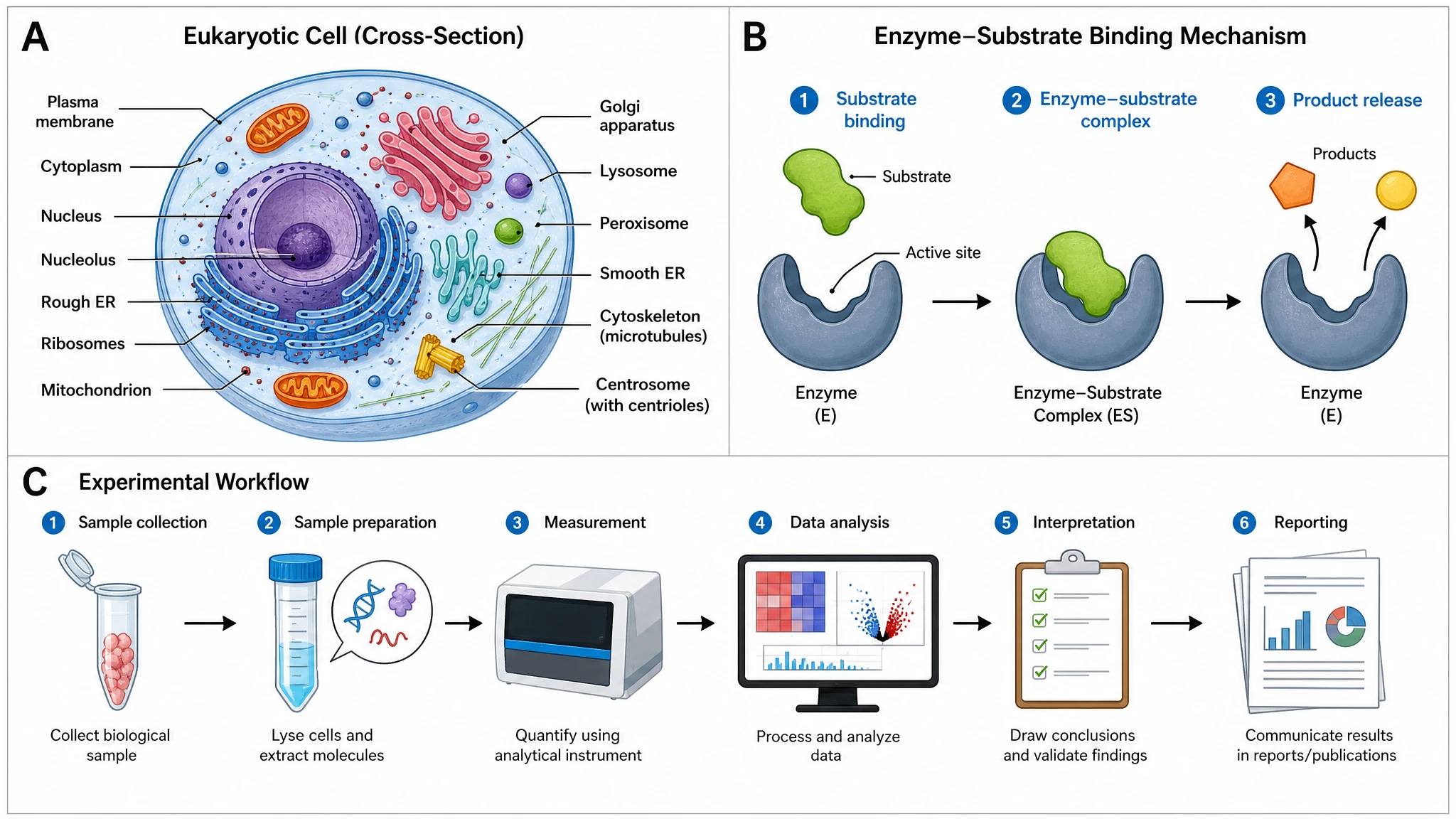
Science Diagram Maker for Every Discipline
One science diagram maker for every field. Describe a mechanism, a circuit, a study flow or a reaction scheme, and get a labeled diagram you can edit down to the last text object.
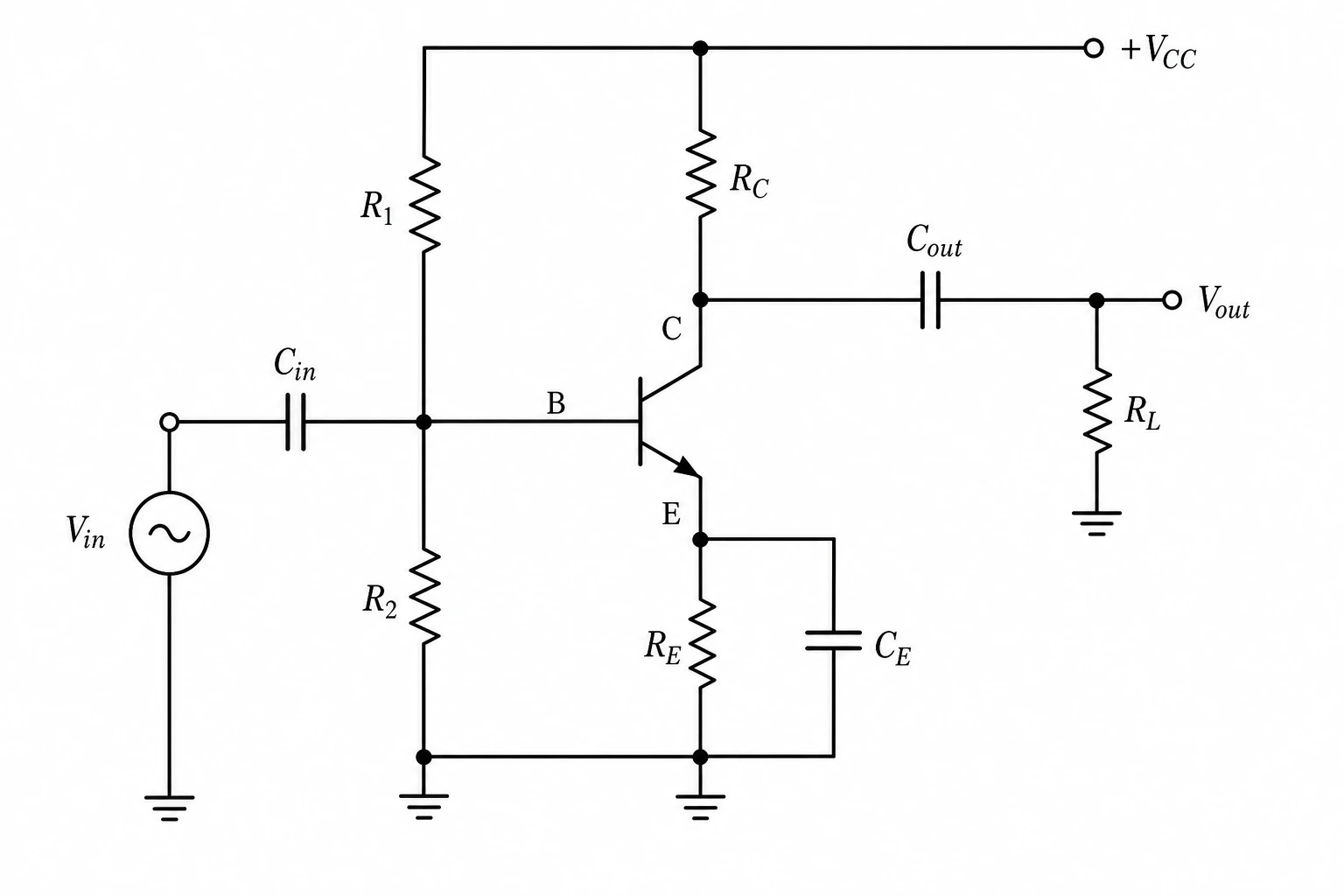
Circuit Diagram Maker
Generate accurate circuit diagrams with labeled schematic symbols for research papers, lab reports, and technical publications.
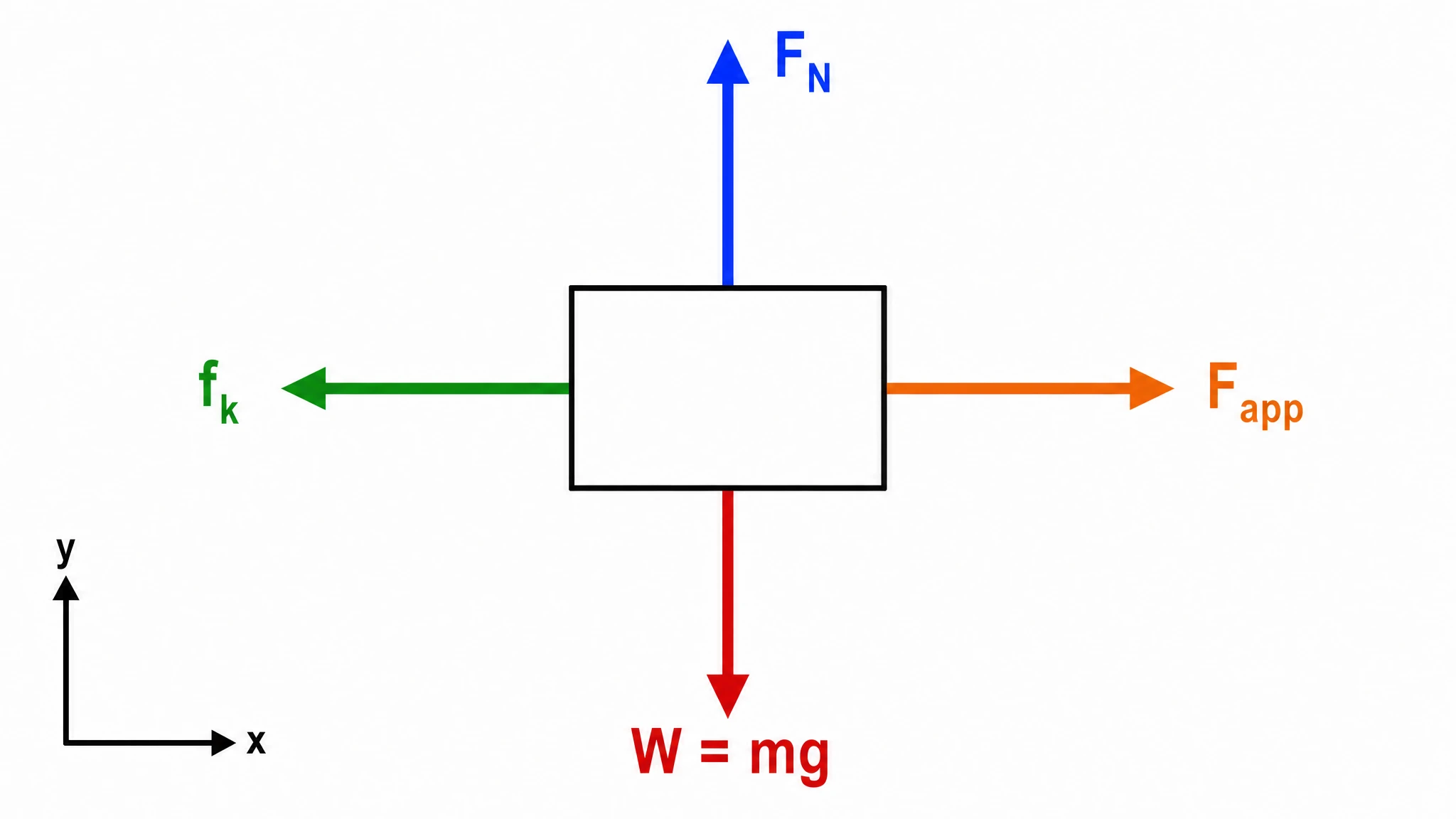
Free Body Diagram Generator
Create accurate, publication-ready free body diagrams with labeled force vectors for weight, normal force, friction, and tension in seconds.
Home
Free AI Scientific Figure Generator and Figure Maker — Create Research Figures, Images, Illustrations and Diagrams
Text-to-Figure
Generate a figure from a plain-language description
Models
Default to GPT Image 2 for journal papers; switch to Nano Banana Pro for slides and posters; pick Nano Banana 2 for routine figure work
Tutorials
Seven short walkthroughs of the AI scientific figure generator
Blog
Tutorials, tool comparisons, and publication tips for researchers.
Inspiration
Explore publication-ready scientific figure examples, copy the prompts, and use them as starting points for your own work.

Ready to publish?
Make your own chemistry structure in minutes.
Start for freeFree to start · No credit card required · Built for researchers