
Free Anatomical Drawing Generator
Generate accurate, labeled anatomical drawings — schematic diagrams of the skeletal, muscular, and organ systems — for education, textbooks, and publication-ready figures.
Start with up to 150 free credits|No credit card required
Get up to 250 free credits on day one when you join through an invite.
Updated
Free Anatomical Drawing Generator— templates & examples
Everything you need to generate your anatomical drawing
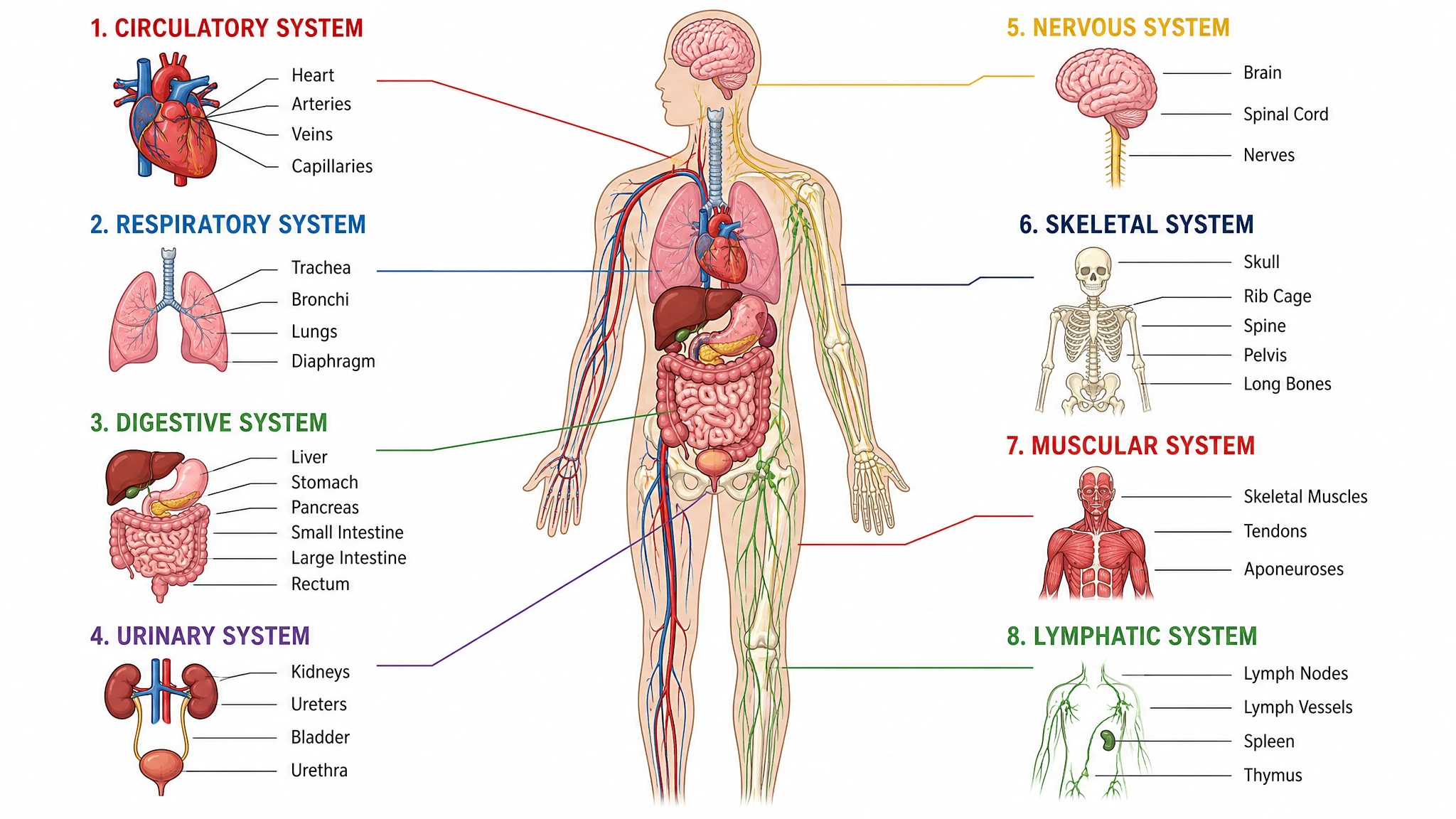
Labeled or unlabeled — your choice
Whether you need a fully labeled anatomical drawing for a textbook figure or an unlabeled version for a student worksheet, SciFig produces both from the same description. Each structure in the human anatomy diagram — bones, muscles, or organ-system parts — is rendered accurately and consistently in a clean schematic style. Switch between labeled and blank versions without rebuilding, then export your anatomy diagram as a high-resolution image.
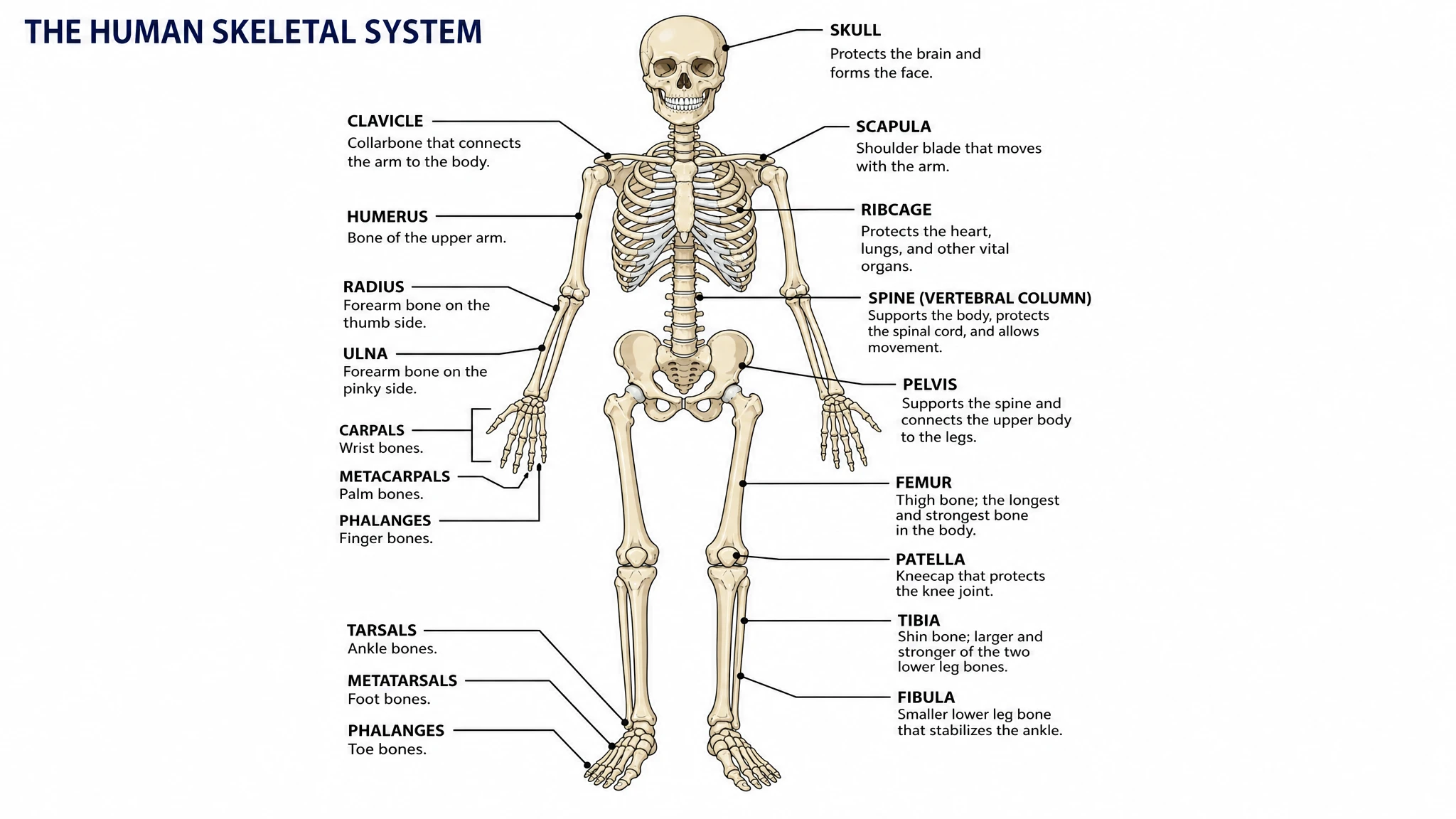
Accurate anatomy, publication-ready style
SciFig's anatomical drawing generator follows scientific illustration conventions, so every educational diagram reflects realistic structure shapes, positions, and proportions. The clean, textbook-style result suits peer-reviewed manuscripts, grant applications, lecture slides, and high-school or university course materials. Used as an anatomical illustration generator across a whole course, it holds line weight, color, and label style steady from figure to figure, so a lecture deck or lab manual reads as one coherent series. This medical anatomy image generator delivers a professionally styled anatomical drawing with no manual illustration skill required.
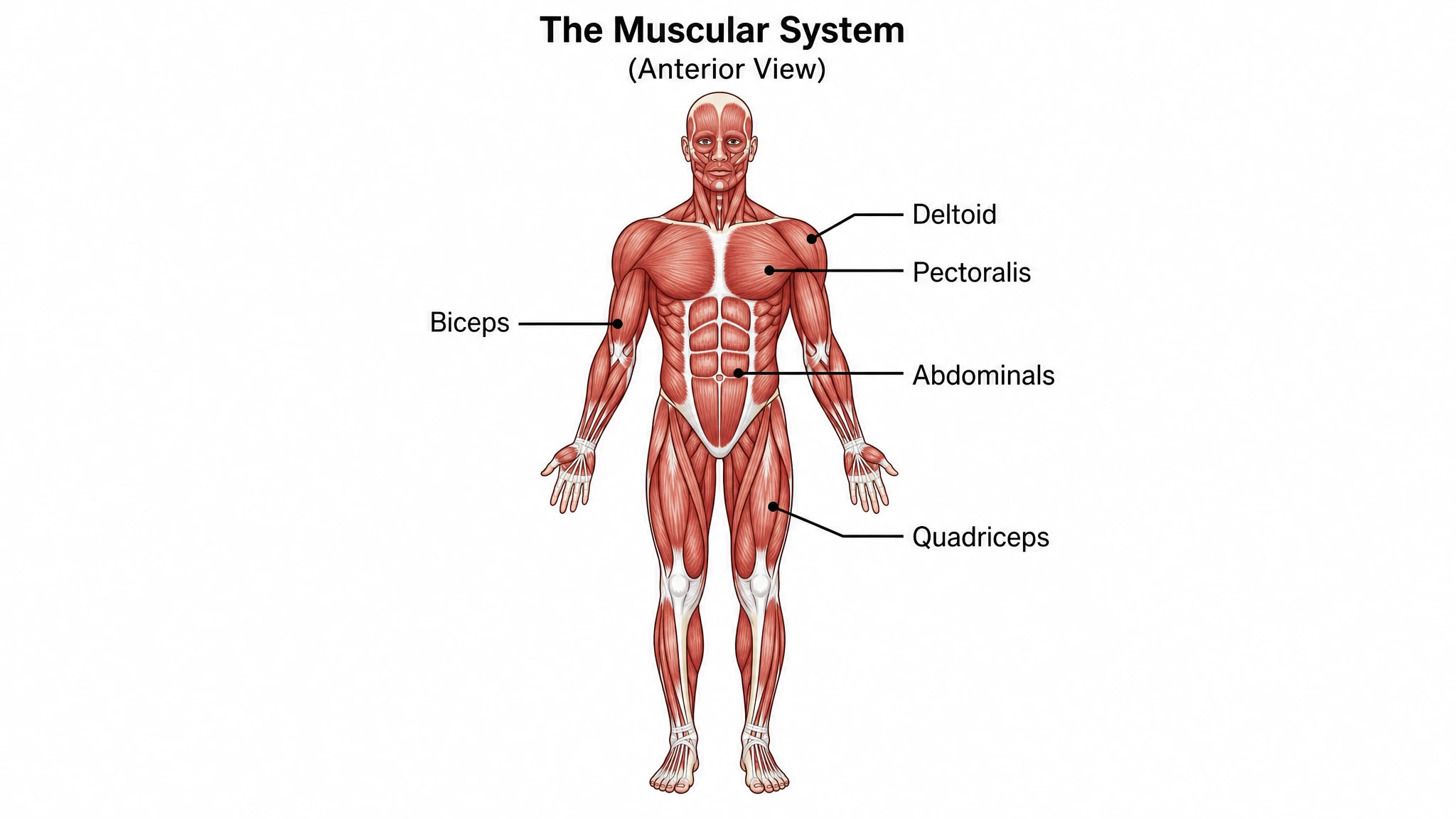
Every body system, instantly
Generate a labeled skeletal system diagram, a muscular system schematic, or a labeled organ-system overview in under a minute. The anatomy diagram maker covers human body systems at any level of detail — a simplified diagram for younger students or a richly detailed schematic for advanced courses — and exports each ai anatomical illustration as a high-resolution image ready to print or embed in a slide deck.
What is an anatomical drawing?
An anatomical drawing is a labeled, schematic illustration of human body structures — such as the skeletal system, muscular system, or an organ-system overview — drawn in a clean textbook style rather than as a photograph. It is foundational in medical and biology education. SciFig's anatomical drawing generator produces a professionally styled, fully editable anatomy diagram in seconds: choose a body system, generate a labeled or unlabeled version, then export.
Why an accurate anatomical drawing matters
- Schematic anatomical drawings accelerate comprehension of body structures far better than dense text descriptions
- Labeled anatomy diagrams are required figures in biology and medical textbooks, lab reports, and peer-reviewed papers
- An unlabeled human anatomy diagram is one of the most commonly assigned study and worksheet formats in anatomy courses
- Accurate structure placement across body systems prevents misconceptions that persist into higher education
- Publication-quality educational figures signal scientific rigor to journal reviewers and grant committees
- Editable anatomical illustrations let educators update labels as curriculum standards and terminology evolve
Body systems an anatomical drawing can cover
- Skeletal system — labeled diagram of major bones, the axial and appendicular skeleton, and joints
- Muscular system — schematic of major muscle groups in clear, labeled cross-section or full-body view
- Nervous system — brain, spinal cord, and peripheral nerve pathways in educational schematic style
- Circulatory system — heart, major arteries, and veins drawn as a labeled, simplified diagram
- Respiratory system — lungs, trachea, and airways shown as a clean labeled overview
- Organ-system overview — a labeled human body schematic positioning major organ systems together
- Cellular and tissue-level diagrams — simplified structures to support broader anatomy lessons
Where anatomical drawings are used
- Middle school and high school biology courses covering human body systems
- University anatomy, physiology, and pre-medical lectures, exams, and study guides
- Anatomy worksheet packets and standardized test preparation materials
- Peer-reviewed journal articles and review papers illustrating anatomical structures
- Grant proposals and research presentations requiring clear, labeled anatomy figures
- Online learning platforms, textbooks, and open educational resources
How to make an anatomical drawing
Describe your anatomical drawing
Tell SciFig what to draw in plain language — no design tools required.
Generate with SciFig
Get a clean, publication-ready figure that matches your description in seconds.
Edit & export
Vectorize it into editable SVG, relabel everything, and export for your paper, poster, or slides.
Free Anatomical Drawing Generator — Frequently Asked Questions
Common questions about Free Anatomical Drawing Generator.
More tools
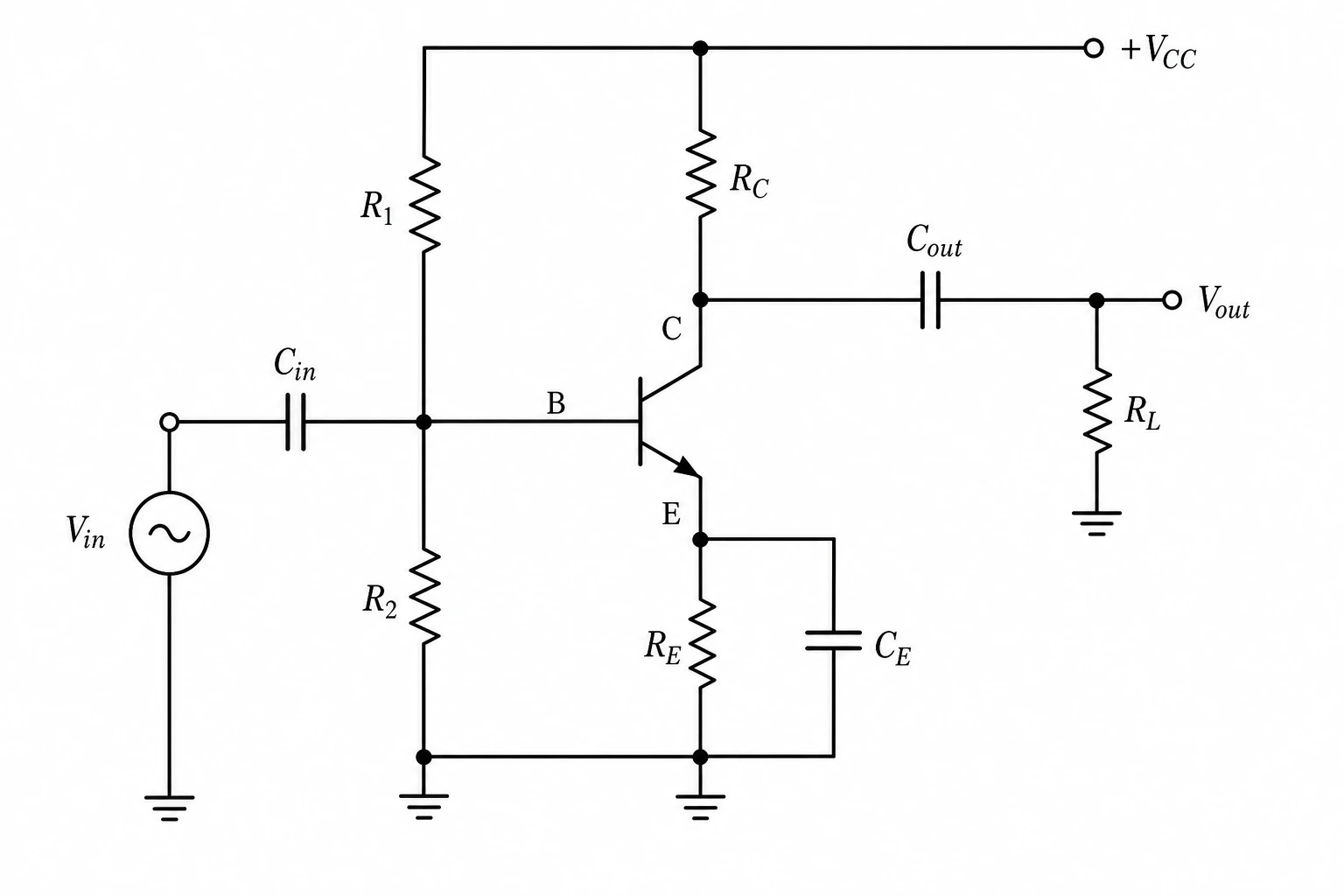
Circuit Diagram Maker
Draw electronic circuit schematics
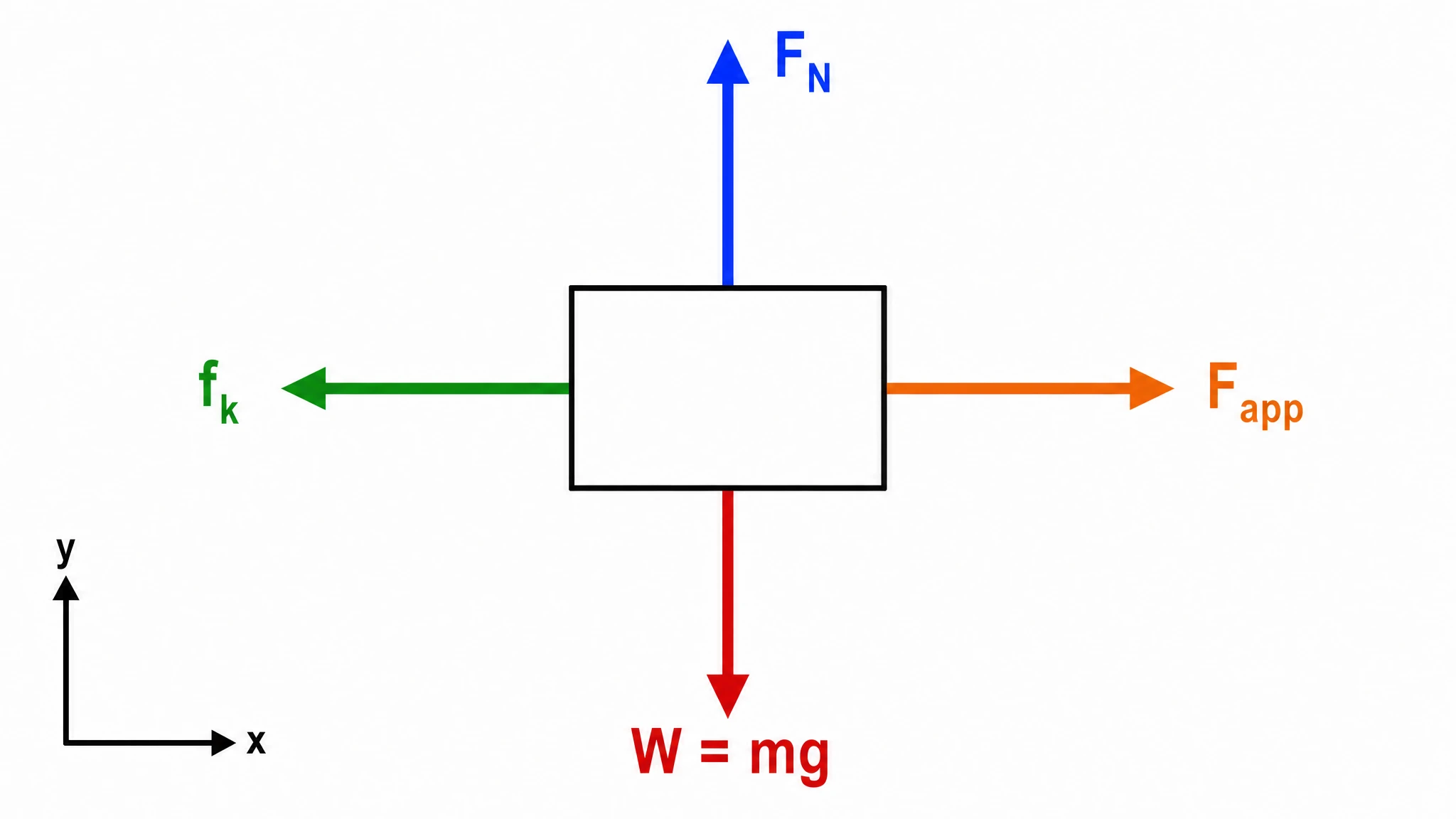
Free Body Diagram Generator
Show forces acting on an object

Graphical Abstract Maker
Summarize your study in one panel
SciFig
Free AI Scientific Figure Generator for Illustrations, Images, Charts and Flowcharts
Models
Default to GPT Image 2 for journal papers; switch to Nano Banana Pro for slides and posters; pick Nano Banana 2.1 for routine figure work
Tutorials
Seven short walkthroughs of the AI scientific figure generator
Blog
Tutorials, tool comparisons, and publication tips for researchers.
Inspiration
Explore publication-ready illustrations, charts and flowcharts. Copy a prompt or open any template as the starting point for your own figure.
Pricing
View pricing

Ready to publish?
Make your own anatomical drawing in minutes.
Start for freeFree to start · No credit card required · Built for researchers