
Free DNA Replication Diagram Generator
Generate DNA replication diagram figures showing helicase, primase, DNA polymerase, leading and lagging strands, and Okazaki fragments — labeled or blank for class or research.
Start with up to 150 free credits|No credit card required
Get up to 350 free credits on day one when you join through an invite.
Updated
Free DNA Replication Diagram Generator— templates & examples
Everything you need to build a clear DNA replication diagram
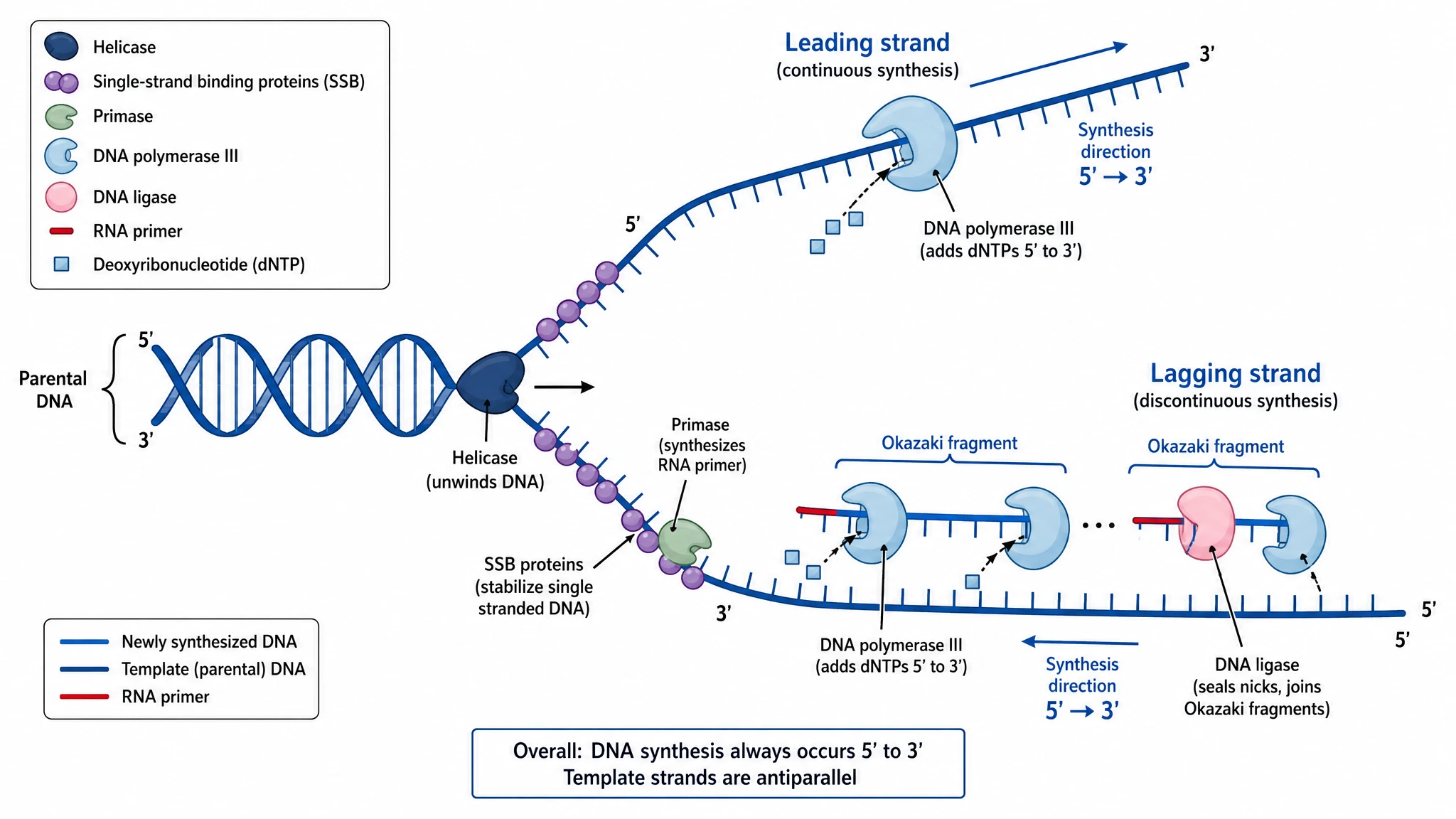
Generate labeled or blank DNA replication diagrams instantly
A clear DNA replication diagram needs the correct enzymes and antiparallel strands to show how the double helix is copied. SciFig's DNA replication diagram generator produces fully labeled figures — replication fork, helicase, primase, DNA polymerase, leading and lagging strands, and Okazaki fragments — or blank templates for worksheets, with the same scientific accuracy in both.
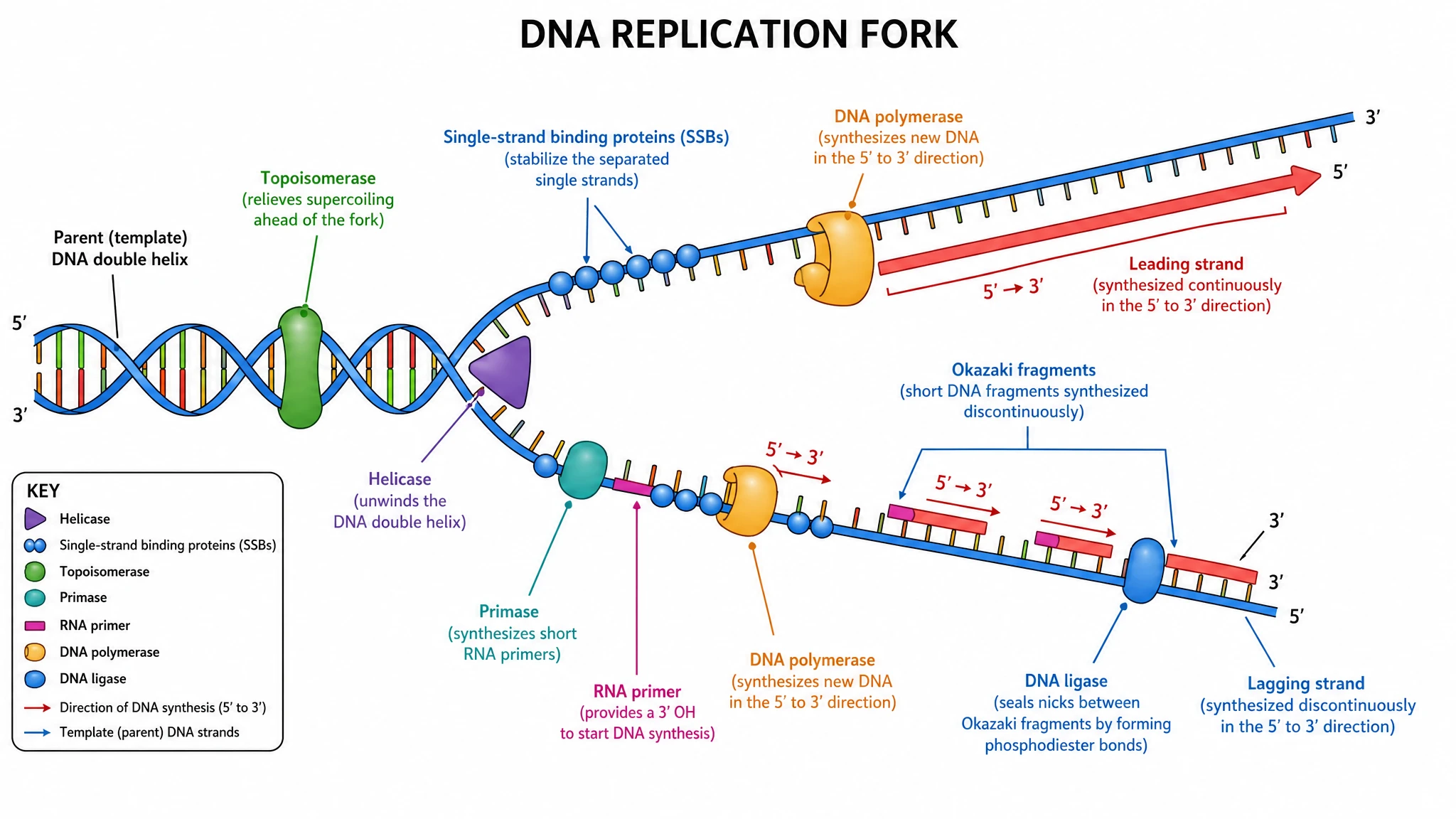
Show the leading and lagging strands clearly
A complete DNA replication diagram separates the antiparallel strands so learners see why synthesis differs on each. SciFig lets you emphasize the continuous leading strand built toward the fork or the discontinuous lagging strand assembled as Okazaki fragments and sealed by DNA ligase, matching your lesson or paper.
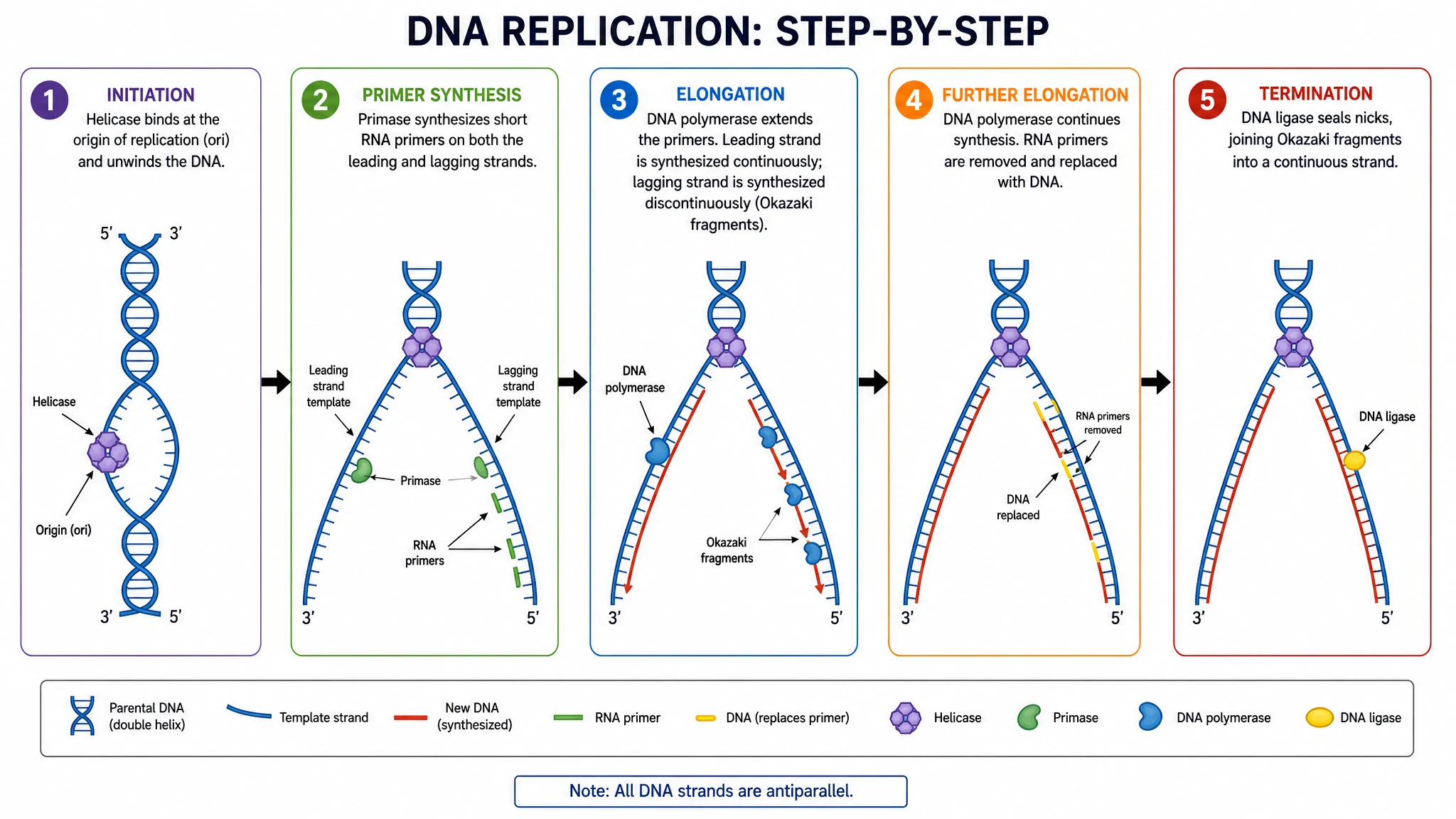
Export DNA replication figures for class, worksheets, and publication
Whether you need a simple DNA replication diagram for a biology worksheet or a detailed replication fork figure for a research report, SciFig exports clean, high-resolution diagrams ready for any format. Edit labels, adjust arrows, and resize to fit posters, slides, or journal layouts.
What is a dna replication diagram?
DNA replication is the semiconservative process by which a cell copies its double helix, keeping one old strand and one new strand per daughter molecule. A labeled DNA replication diagram maps the replication fork where helicase unwinds the helix, primase adds primers, and DNA polymerase builds the leading strand and the lagging strand as Okazaki fragments. With SciFig's DNA replication diagram generator you describe what you need and get an accurate figure — labeled or blank — ready to export.
Why accurate DNA replication diagrams matter
- Show how a cell copies its entire genome before division so each daughter cell inherits identical DNA
- Explain the semiconservative model in which every new double helix keeps one parent strand and one new strand
- Required across high-school biology, AP Biology, and introductory college molecular biology courses
- Clarify why the leading strand is built continuously while the lagging strand forms as Okazaki fragments
- A dna replication steps diagram helps students order helicase, primase, DNA polymerase, and ligase correctly
- Essential for textbooks, worksheets, lab reports, and exam revision on molecular genetics
Key components of a DNA replication diagram
- Replication fork — the Y-shaped region where helicase unwinds and separates the two parental strands
- Helicase — the enzyme that breaks hydrogen bonds to open the double helix at the origin of replication
- Primase — lays down a short RNA primer that gives DNA polymerase a 3' end to extend from
- DNA polymerase — adds nucleotides 5' to 3', shown in a dna polymerase diagram reading the template 3' to 5'
- Leading and lagging strands — the continuous leading strand and the discontinuous lagging strand of Okazaki fragments
- Single-strand binding proteins and topoisomerase — stabilize the separated strands and relieve supercoiling ahead of the fork
- DNA ligase — seals the nicks between Okazaki fragments to complete the new lagging strand
Where DNA replication diagrams are used
- High-school and AP Biology classrooms for lessons on how cells copy DNA
- University molecular biology, genetics, and biochemistry courses
- Textbooks, worksheets, and online modules covering the cell cycle and DNA synthesis
- Research posters and reports in molecular genetics and biotechnology
- Science fair projects and student presentations on genes and inheritance
- Exam revision guides and study notes for AP Biology, IB, and GCSE students
How to make a dna replication diagram
Describe your dna replication diagram
Tell SciFig what to draw in plain language — no design tools required.
Generate with SciFig
Get a clean, publication-ready figure that matches your description in seconds.
Edit & export
Vectorize it into editable SVG, relabel everything, and export for your paper, poster, or slides.
Free DNA Replication Diagram Generator — Frequently Asked Questions
Common questions about Free DNA Replication Diagram Generator.
More tools
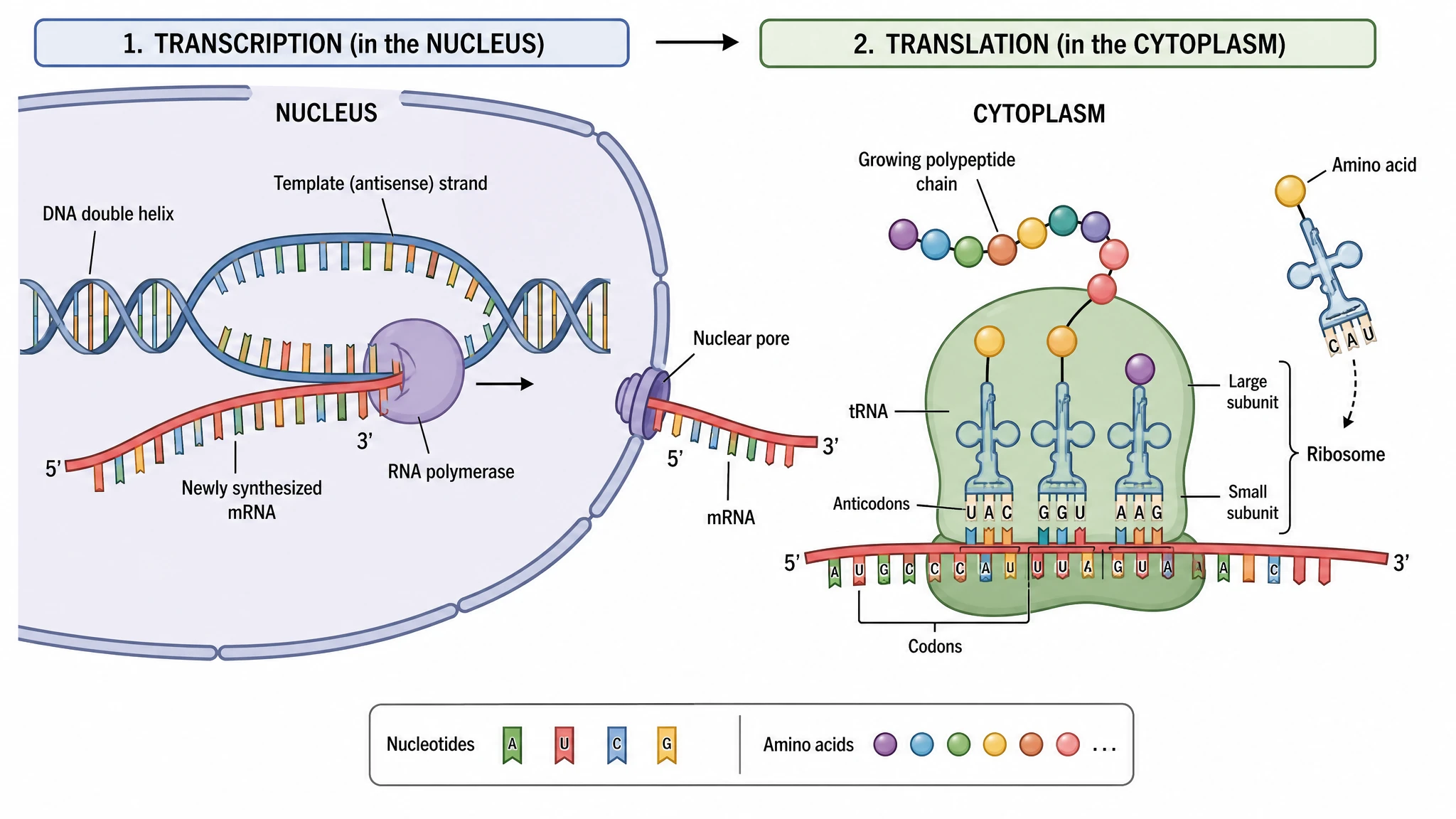
Protein Synthesis Diagram Generator
Trace DNA to mRNA to polypeptide
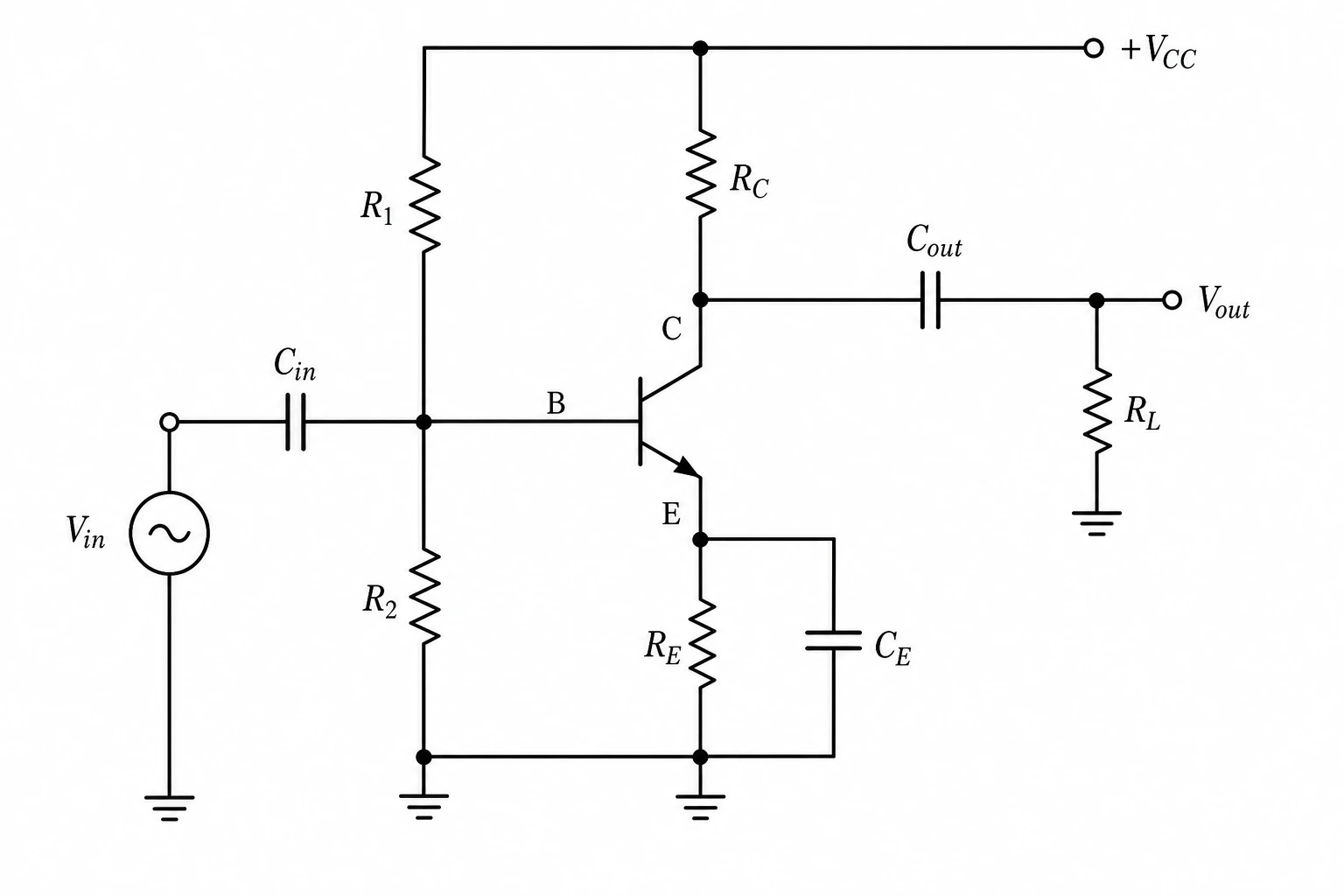
Circuit Diagram Maker
Draw electronic circuit schematics
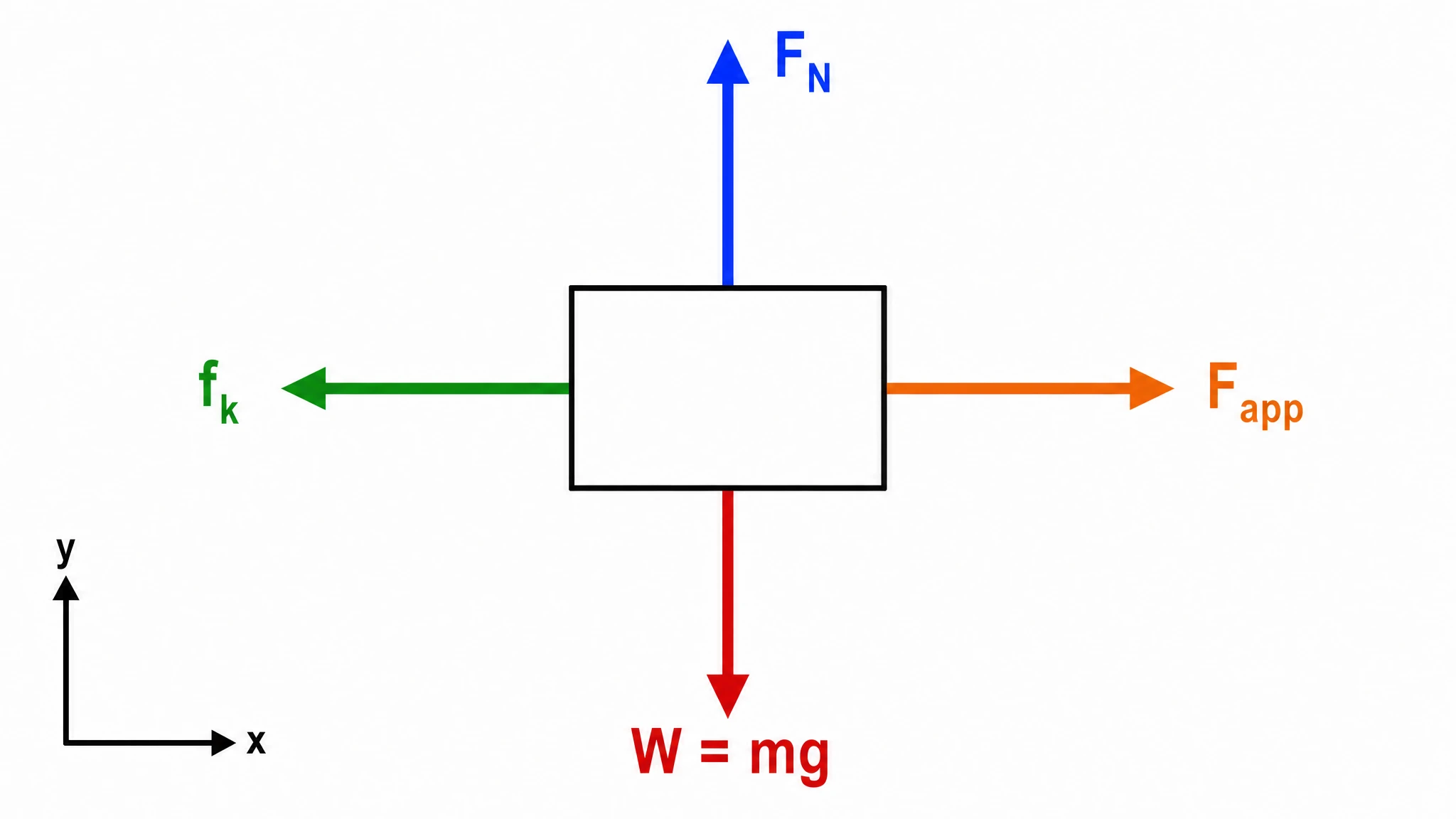
Free Body Diagram Generator
Show forces acting on an object
SciFig
Free AI Scientific Figure Generator for Illustrations, Images, Charts and Flowcharts
Models
Default to GPT Image 2 for journal papers; switch to Nano Banana Pro for slides and posters; pick Nano Banana 2.1 for routine figure work
Tutorials
Seven short walkthroughs of the AI scientific figure generator
Blog
Tutorials, tool comparisons, and publication tips for researchers.
Inspiration
Explore publication-ready illustrations, charts and flowcharts. Copy a prompt or open any template as the starting point for your own figure.
Pricing
View pricing

Ready to publish?
Make your own dna replication diagram in minutes.
Start for freeFree to start · No credit card required · Built for researchers