
Free Meiosis Diagram Generator
Generate clear meiosis diagram figures showing meiosis I, meiosis II, crossing over, and the four haploid gametes — labeled or blank for class, worksheets, or research.
Start with up to 150 free credits|No credit card required
Get up to 350 free credits on day one when you join through an invite.
Updated
Free Meiosis Diagram Generator— templates & examples
Everything you need to build a clear meiosis diagram
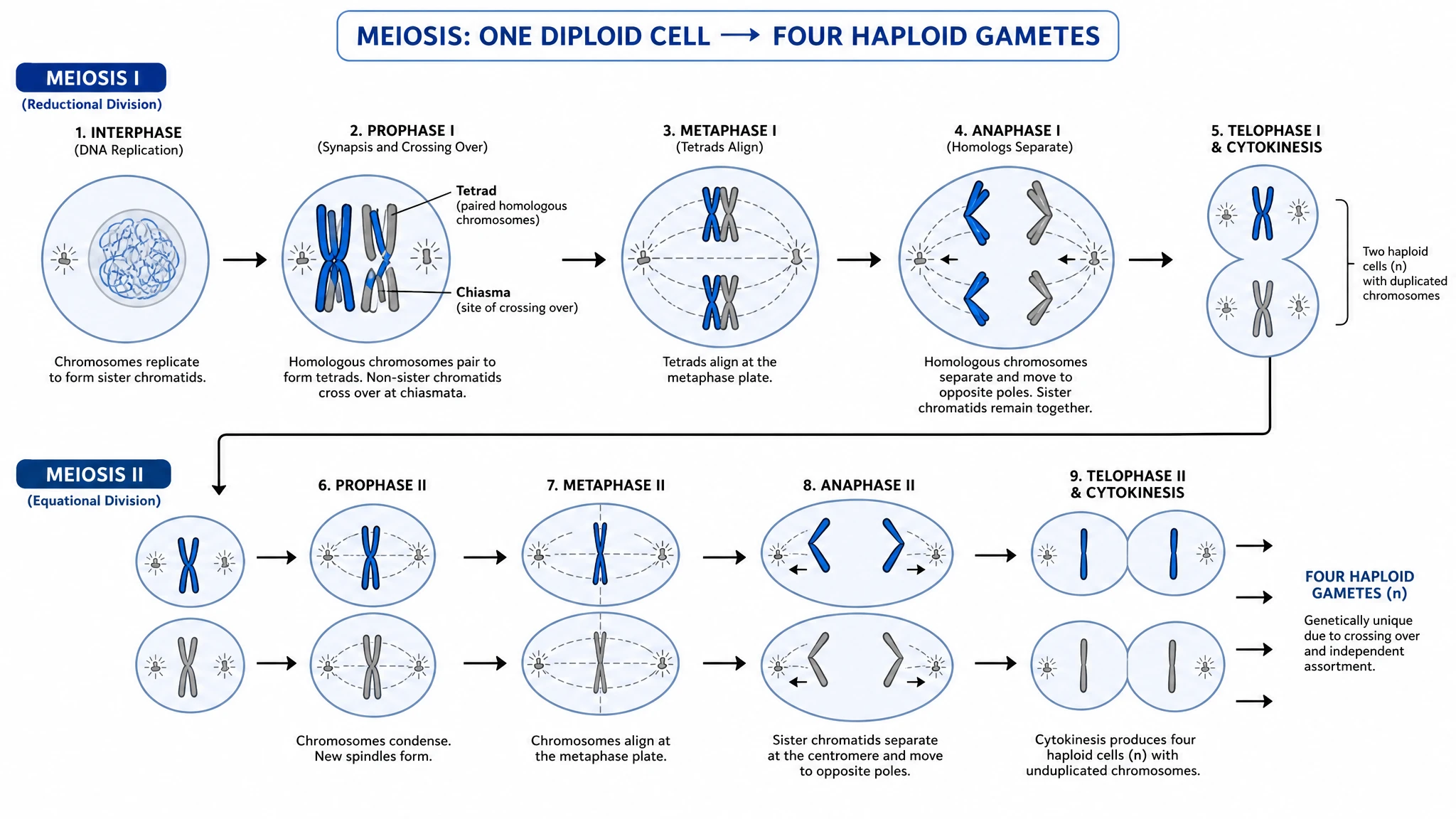
Generate labeled or blank meiosis diagrams instantly
A clear meiosis diagram needs accurate chromosomes and directional arrows to show how one diploid cell becomes four haploid gametes. SciFig's meiosis diagram generator produces fully labeled figures — meiosis I, meiosis II, crossing over, and the reduction from diploid to haploid — or blank templates for worksheets, with the same scientific accuracy in both.
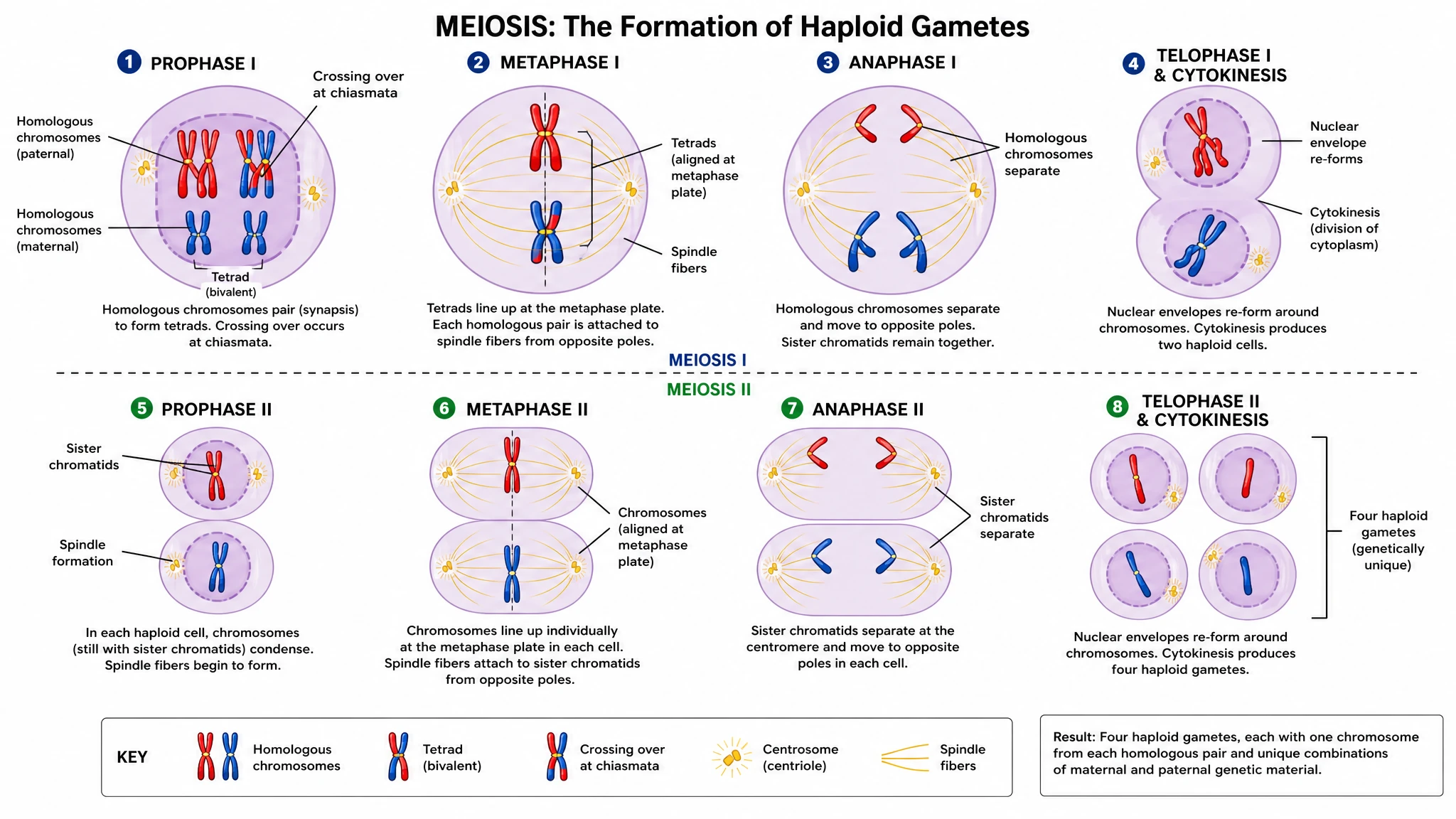
Show every stage of meiosis I and meiosis II clearly
A complete meiosis stages diagram separates the two divisions so learners see what happens in each. SciFig lets you emphasize meiosis I — where homologous chromosomes pair, cross over, and separate — or meiosis II, where sister chromatids finally separate into four haploid cells, matching your lesson or paper.
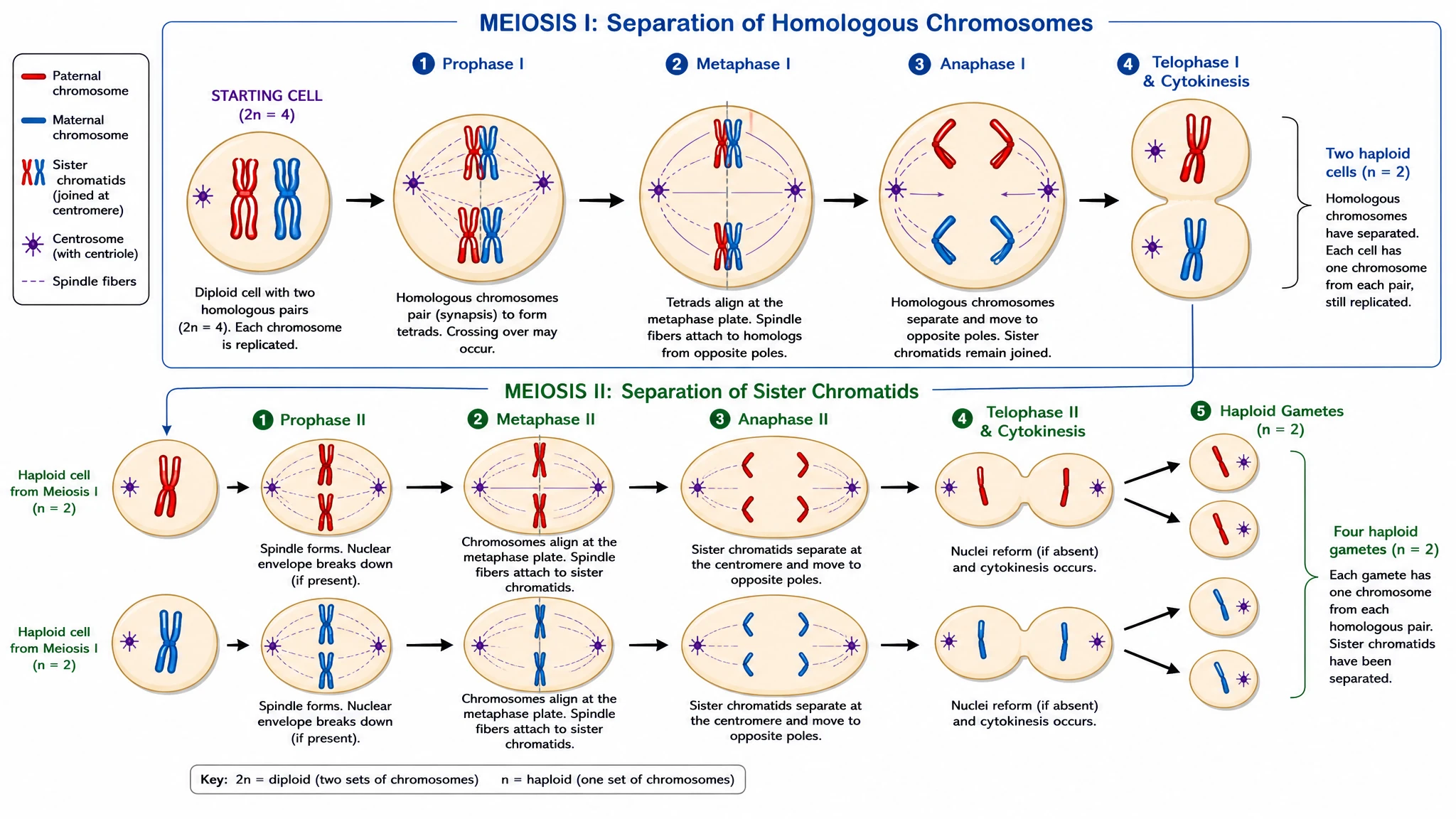
Export meiosis figures for class, worksheets, and publication
Whether you need a simple meiosis diagram for a biology worksheet or a detailed figure contrasting meiosis with mitosis for a research report, SciFig exports clean, high-resolution diagrams ready for any format. Edit labels, adjust arrows, and resize to fit posters, slides, or journal layouts.
What is a meiosis diagram?
Meiosis is the type of cell division that produces four genetically distinct haploid gametes from one diploid cell through two rounds of division. A meiosis stages diagram maps meiosis I, where homologous chromosomes pair and crossing over occurs, and meiosis II, where sister chromatids separate. With SciFig's meiosis diagram generator you describe the labeling you need and get an accurate figure — a labeled meiosis diagram or a blank template — ready to export.
Why accurate meiosis diagrams matter
- Show how one diploid cell divides twice to produce four genetically distinct haploid gametes
- Required across high-school biology, AP Biology, IB, and introductory college genetics courses
- Clarify how crossing over and independent assortment create genetic variation in gametes
- Help students distinguish reductional meiosis I from equational meiosis II division
- Provide the visual basis for lessons on chromosomes, fertilization, and inheritance
- Essential for textbooks, worksheets, lab reports, and exam revision materials
Key components of a meiosis diagram
- Homologous chromosomes — matching maternal and paternal pairs that align and separate in meiosis I
- Tetrad (bivalent) — a paired set of homologous chromosomes formed during synapsis in prophase I
- Crossing over at chiasmata — the exchange of genetic material between homologs that creates variation
- Spindle fibers — microtubules that attach at centromeres and pull chromosomes toward opposite poles
- Sister chromatids — identical copies joined at the centromere that separate in meiosis II
- Four haploid gametes — the end products, each with half the chromosome number of the parent cell
Where meiosis diagrams are used
- High-school biology and AP Biology classrooms for lessons on cell division and heredity
- University genetics, cell biology, and reproductive biology courses
- Textbooks, worksheets, and online modules featuring a labeled meiosis diagram of gamete formation
- Research posters and reports in genetics, developmental biology, and reproductive science
- Science fair projects and student presentations on inheritance and genetic variation
- Exam revision guides and study notes for AP Biology, IB, and GCSE students
How to make a meiosis diagram
Describe your meiosis diagram
Tell SciFig what to draw in plain language — no design tools required.
Generate with SciFig
Get a clean, publication-ready figure that matches your description in seconds.
Edit & export
Vectorize it into editable SVG, relabel everything, and export for your paper, poster, or slides.
Free Meiosis Diagram Generator — Frequently Asked Questions
Common questions about Free Meiosis Diagram Generator.
More tools
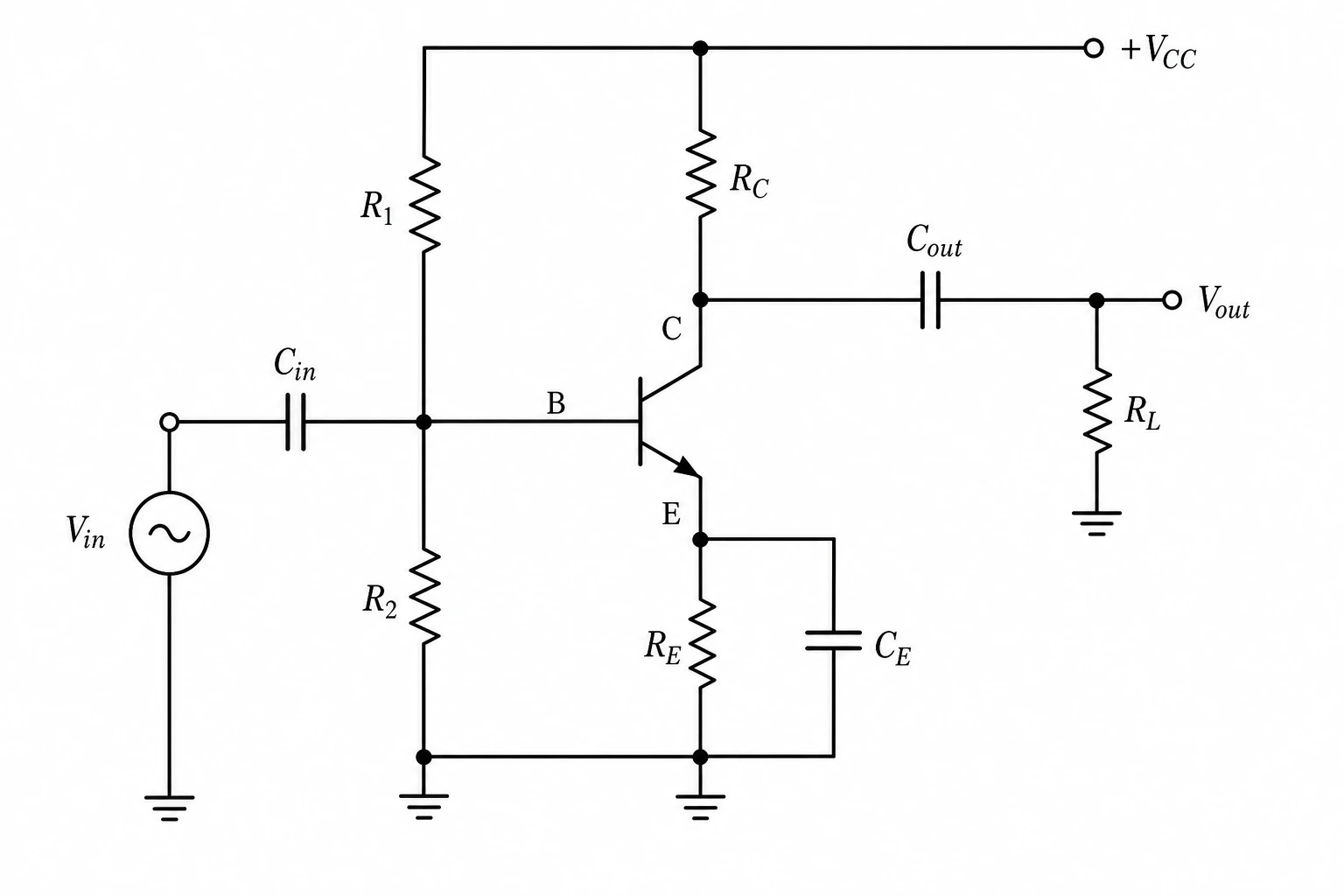
Circuit Diagram Maker
Draw electronic circuit schematics
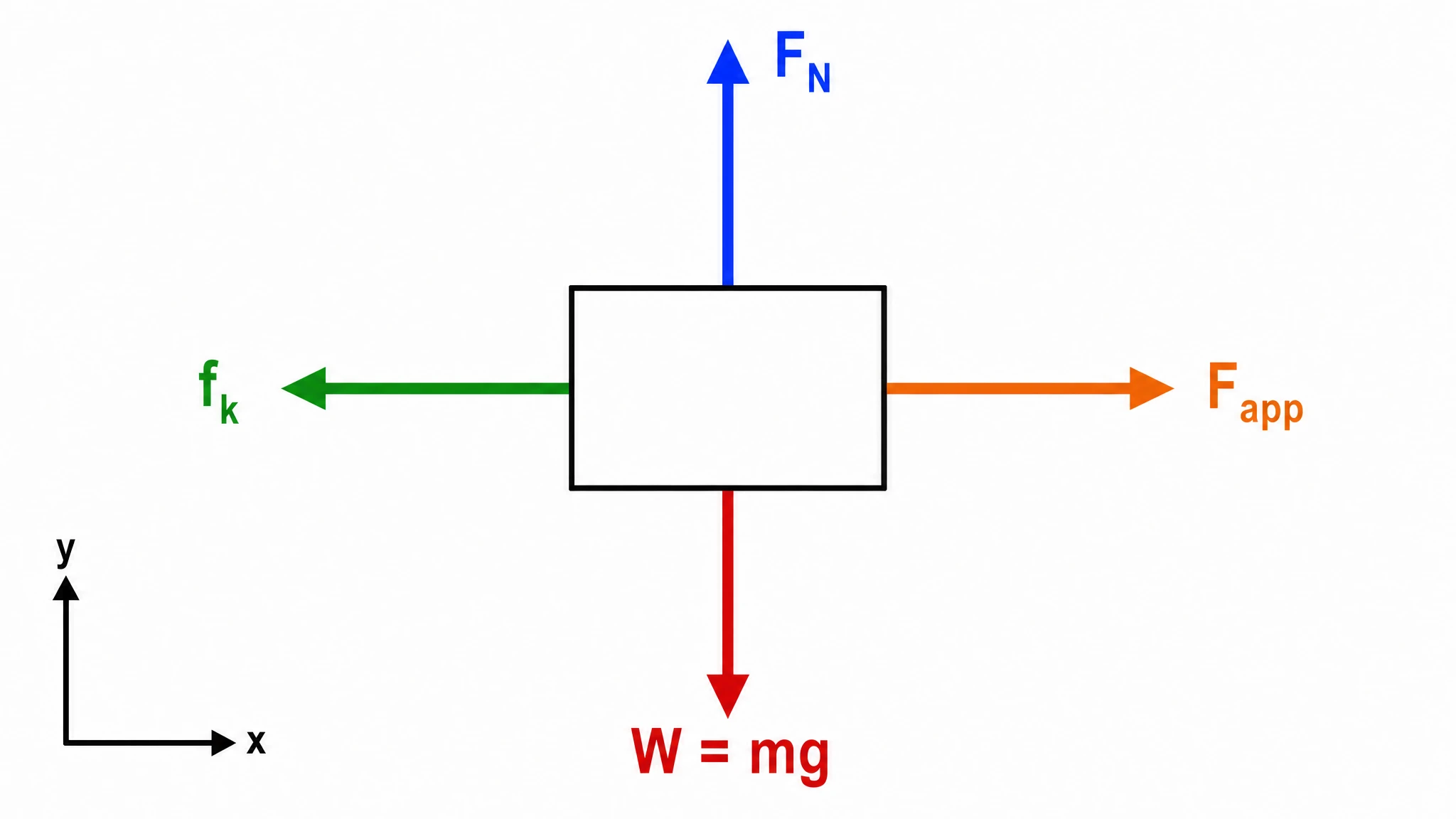
Free Body Diagram Generator
Show forces acting on an object
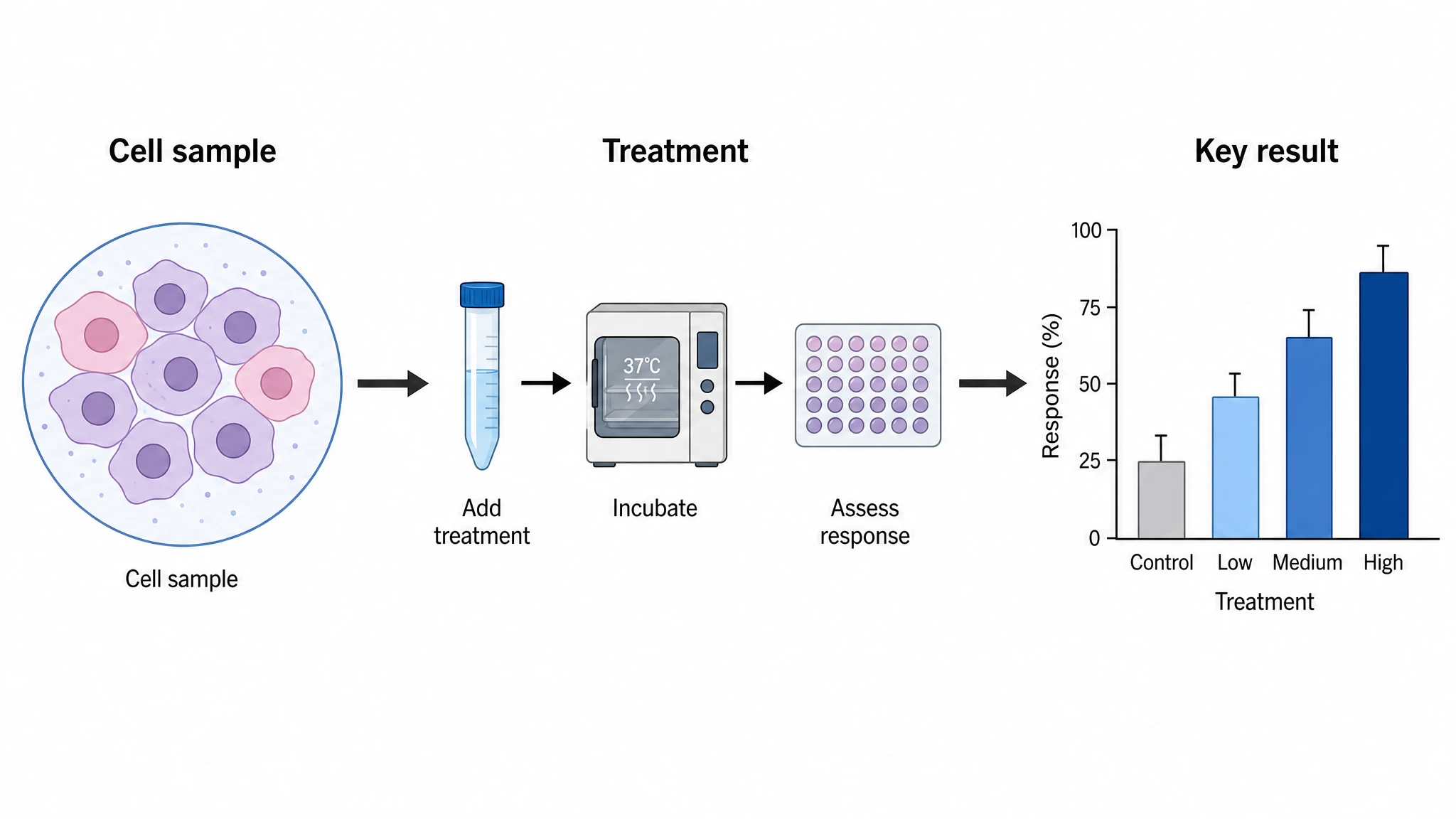
Graphical Abstract Maker
Summarize your study in one panel
SciFig
Free AI Scientific Figure Generator for Illustrations, Images, Charts and Flowcharts
Models
Default to GPT Image 2 for journal papers; switch to Nano Banana Pro for slides and posters; pick Nano Banana 2.1 for routine figure work
Tutorials
Seven short walkthroughs of the AI scientific figure generator
Blog
Tutorials, tool comparisons, and publication tips for researchers.
Inspiration
Explore publication-ready illustrations, charts and flowcharts. Copy a prompt or open any template as the starting point for your own figure.
Pricing
View pricing

Ready to publish?
Make your own meiosis diagram in minutes.
Start for freeFree to start · No credit card required · Built for researchers