
Journals
Impact factor, JCR quartile, figure and formatting requirements, and submission guidance for major research journals — the specs you need before you draw.
Articles
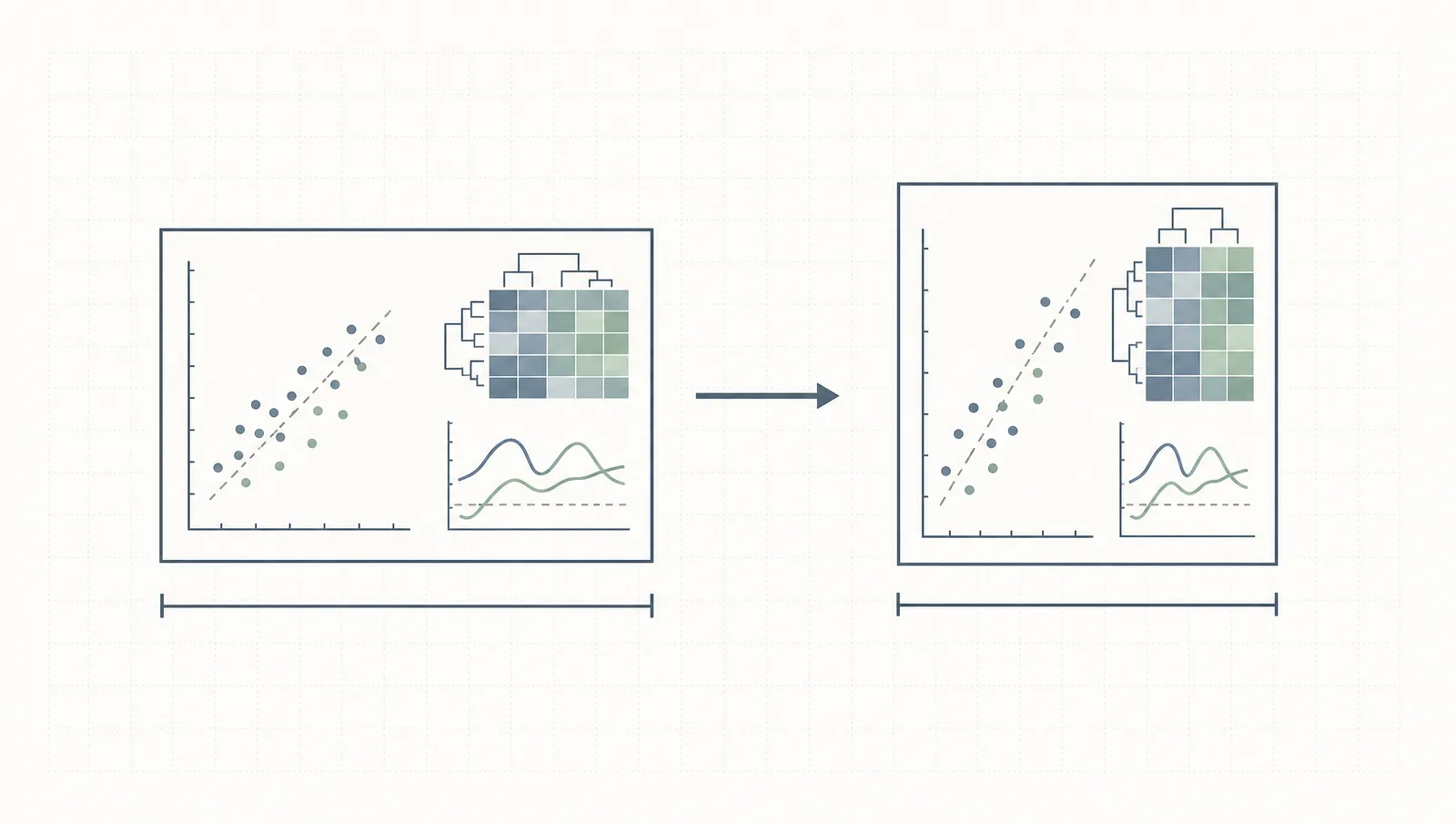
Nature Formatting Requirements 2026: Figures & Limits
Nature figure requirements: 89–90 mm and 180–183 mm columns, 5–7 pt text, 0.25–1 pt lines, ten Extended Data items and a 200-word summary paragraph.
 Alex Carter·
Nature Impact Factor 2026: 56.1
Nature's impact factor is 56.1, with a five-year JIF of 56.7. What the number covers, why a 2026 search returns a 2025 value, and how Nature compares.
Alex Carter·
Nature Submission Guide 2026: Process, Timeline & APC
How to submit to Nature: format-flexible first submissions, a median 8 days to first decision, 321 days to acceptance, an 8% acceptance rate and the APC.
Alex Carter·
PLOS ONE Formatting Requirements 2026: Figures, Fonts, Files
PLOS ONE figure requirements: TIFF or EPS, 789–2250 px wide at 300–600 dpi, Arial or Times at 8–12 pt, no cap on figure count, and no word limit.
Alex Carter·
PLOS ONE Impact Factor 2026: 2.8, Q2 Multidisciplinary
PLOS ONE's impact factor is 2.8 — the 2025 JIF in the 2026 JCR release, Q2 in Multidisciplinary Sciences. Plus h5-index, SJR, and what the number misses.
Alex Carter·
PLOS ONE Submission Guide 2026: Fees, Timeline, Status
How to submit to PLOS ONE: a $2,477 APC, 26% acceptance, a 32-day median first decision, two accept decisions, and what each submission status means.
Alex Carter·
eLife Acceptance Rate 2026: 35% Sent for Review
eLife makes no accept/reject decision. In 2025 it sent 1,013 of 2,853 submissions for review — 35%. What that number means for your paper, with sources.
Alex Carter·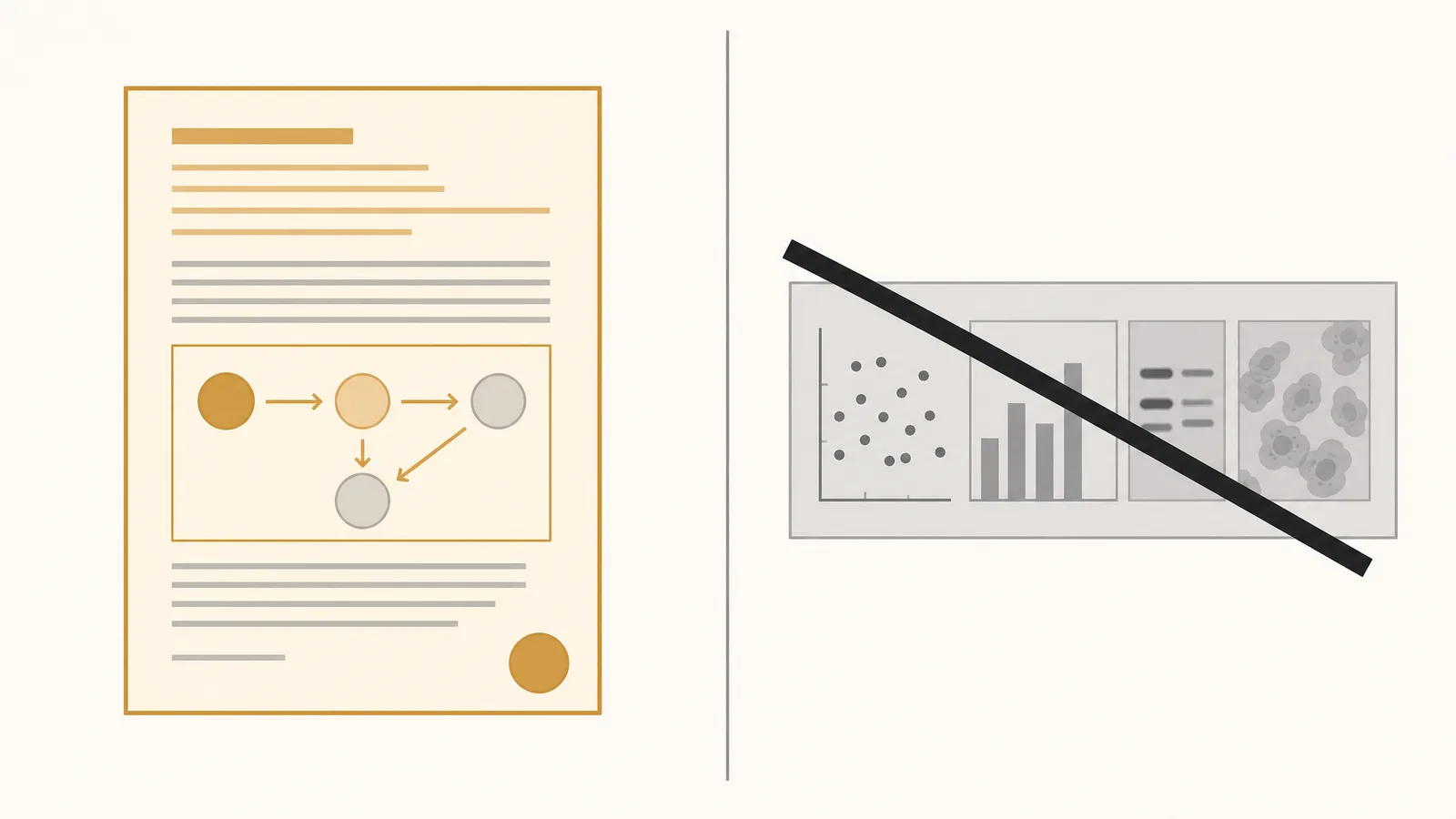
eLife AI Policy 2026: AI-Generated Figures & Disclosure
eLife allows AI-generated figures if you disclose the tool in Materials and Methods. The one hard ban is the striking image, and the reason is licensing.
Alex Carter·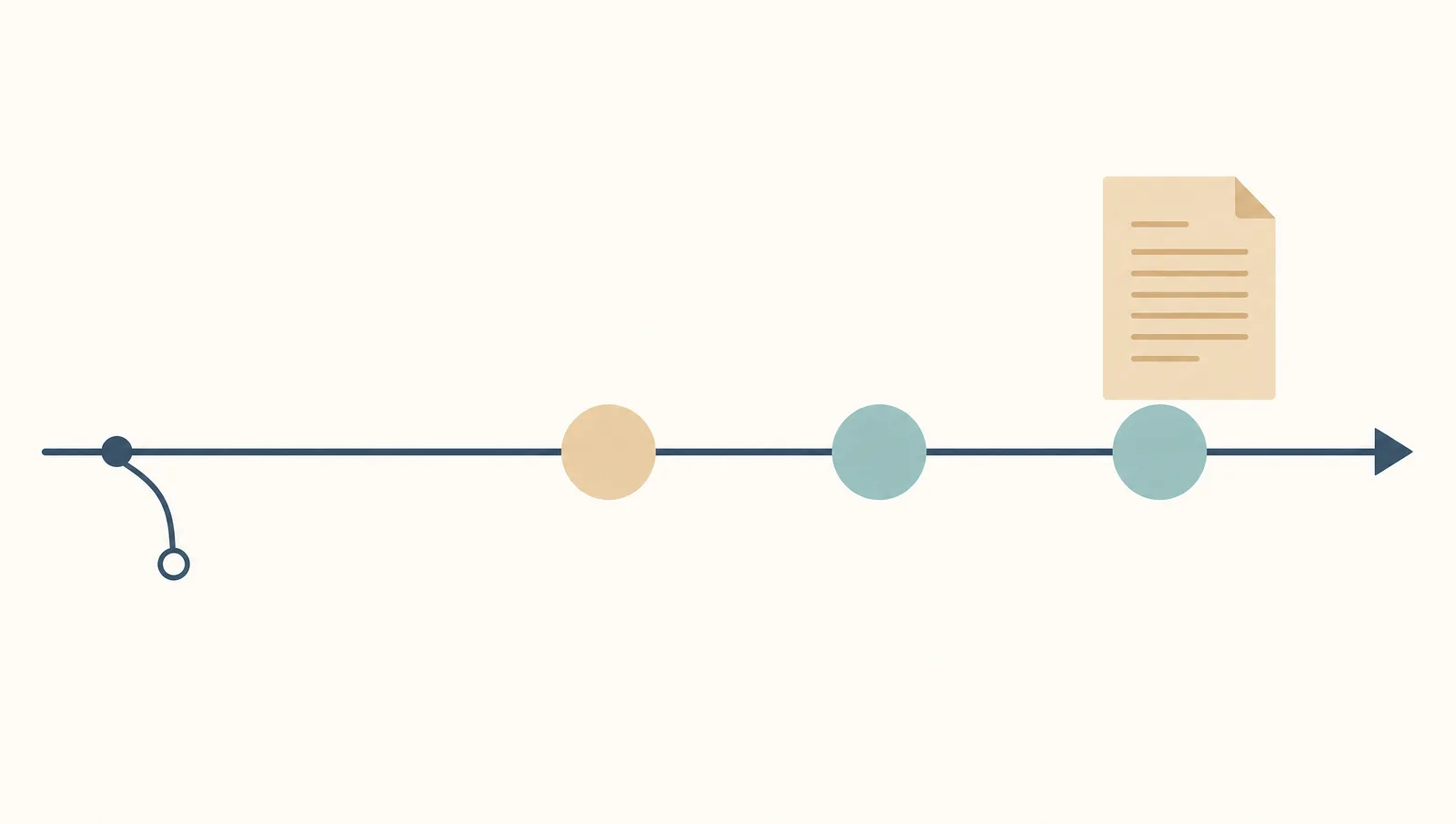
Nature Communications Review Timeline: 9 Days to Decide
Nature Communications reports a 9-day median to first editorial decision and 242 days to acceptance. What each submission status means and when to worry.
Alex Carter·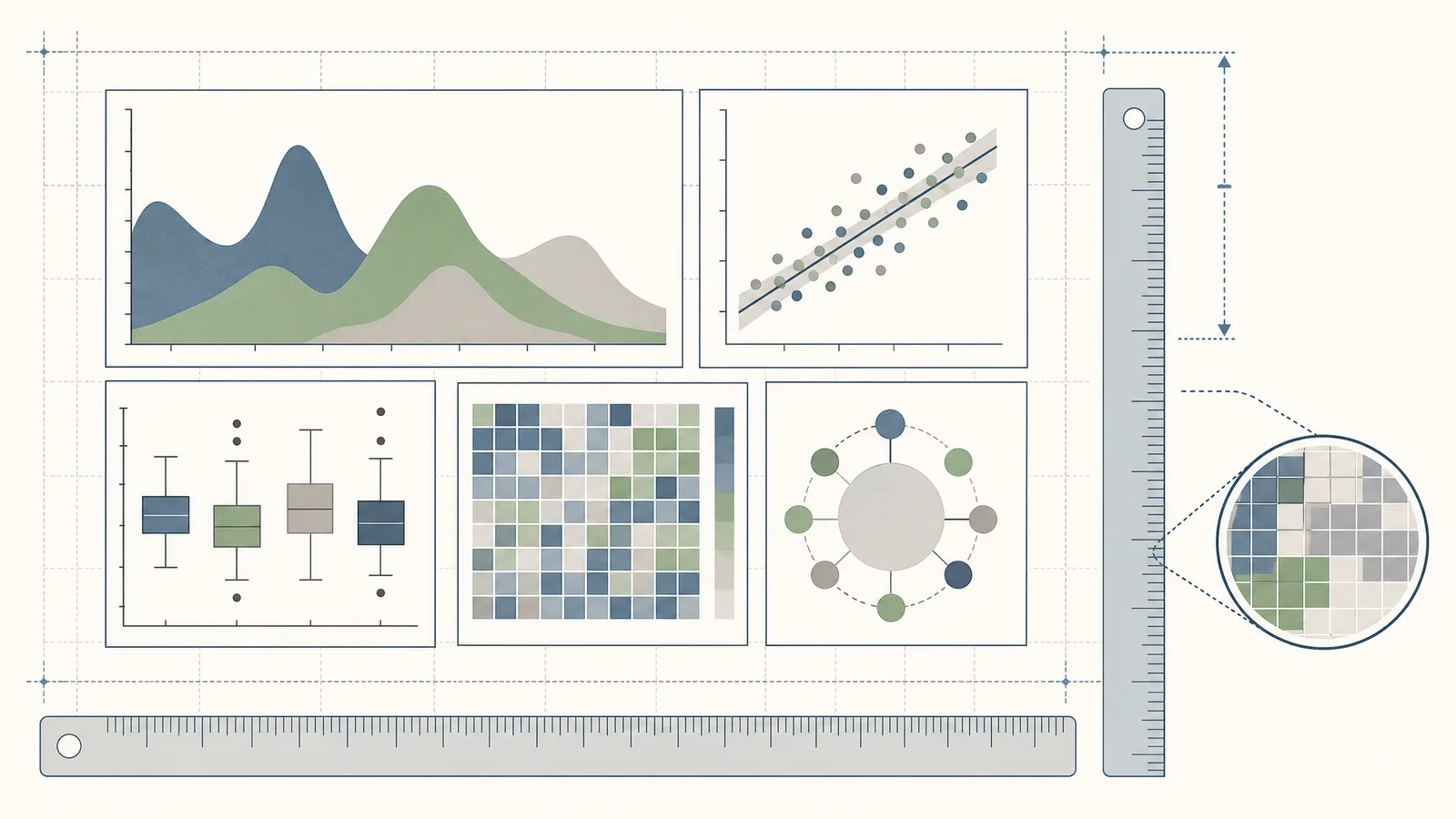
eLife Formatting Requirements 2026: Figures & Limits
eLife formatting: 300 dpi figures at 10cm minimum width, no limit on figures or supplements, article-type word guidance, and what must be in each legend.
Alex Carter·
eLife Impact Factor 2026: Why There Isn't One
eLife has no impact factor because Web of Science indexes it only partially — a status eLife accepted rather than change its model. What that means for authors.
Alex Carter·
eLife Submission Guide 2026: Preprint First, $3,750 Fee
How to submit to eLife: post a preprint first, $3,750 fee charged at review not acceptance, public reviews, article types and word limits, and full waivers.
Alex Carter·More on scientific figures
Home
Free AI Scientific Figure Generator and Figure Maker — Create Research Figures, Images, Illustrations and Diagrams
Text-to-Figure
Generate a figure from a plain-language description
Tools
All SciFig figure generators and the vector editor in one place.
Models
Default to GPT Image 2 for journal papers; switch to Nano Banana Pro for slides and posters; pick Nano Banana 2 for routine figure work
Tutorials
Seven short walkthroughs of the AI scientific figure generator
Inspiration
Explore publication-ready scientific figure examples, copy the prompts, and use them as starting points for your own work.
Best Color Palettes for Scientific Figures (2026)
Publication-grade and colorblind-safe color palettes for scientific figures, graphs, pie charts, combo charts, and diagrams, with HEX values.
18 Scientific Poster Examples to Learn From in 2026
18 scientific poster examples across biology, chemistry, medicine, and engineering — plus PhD examples, poster templates, and a poster-maker workflow.
How to Add Figures to a Research Paper
Step-by-step guide to including figures in research papers: placement, captions, DPI, vector formats, and journal-specific rules. Avoid common rejection causes.

Ready to start?
Publication-ready scientific figures, in minutes
Start Creating FreeFree to start · No credit card required · Built for researchers