
eLife has no impact factor because Web of Science indexes it only partially.
If you have been looking for eLife's impact factor and coming up empty, that is the correct result — and the reason is more specific than "eLife opted out of metrics." Web of Science paused indexing eLife's Versions of Record in October 2024. eLife responded by supplying a partial feed rather than changing how it publishes, and a partially indexed journal is not eligible for a Journal Impact Factor.
This page sets out that sequence with dates and sources, covers what eLife publishes instead, and tells you what to put on a grant form that expects a number in that box.
The answer changes what you put on a grant form, and it also changes nothing about how you prepare a scientific figure for the journal.
Does eLife have an impact factor?
The indexing position is checkable and worth knowing precisely. According to Clarivate's Master Journal List, eLife (ISSN 2050-084X, eLife Sciences Publications Ltd) is currently listed under:
| Index | Status |
|---|---|
| Web of Science Core Collection | Emerging Sources Citation Index (ESCI) |
| Science Citation Index Expanded (SCIE) | Not listed |
| Additional indexes | Biological Abstracts, BIOSIS Previews, Zoological Record |
If your institution's evaluation rules are written around SCIE-listed journals specifically, that first row is the detail that matters — not whether a metric can be found somewhere on the web.
Why eLife has no impact factor
The answer is a three-step sequence, and every step is stated by eLife itself.
Two things follow that are worth knowing before you decide anything:
- Scopus changed at the same time. eLife moved from the Scopus Journals Collection to the Scopus Preprints Collection. Reviewed Preprints are now indexed in Scopus and Google Scholar; Versions of Record continue in PubMed, Google Scholar and OpenAlex.
- It was not a reluctant loss. eLife has been a signatory of the Declaration on Research Assessment since its founding and says it "never supported the Impact Factor and never wanted one." In a May 2025 follow-up it reported that of the funders and institutions it surveyed, more than 100 — over 95% of respondents — still consider eLife papers in research evaluation.
We do not state a historical impact factor value here. Figures for eLife's last JIF circulate on third-party sites, but we could not confirm one against a primary source, and an unsourced number in a promotion packet is worse than no number.
What eLife uses instead
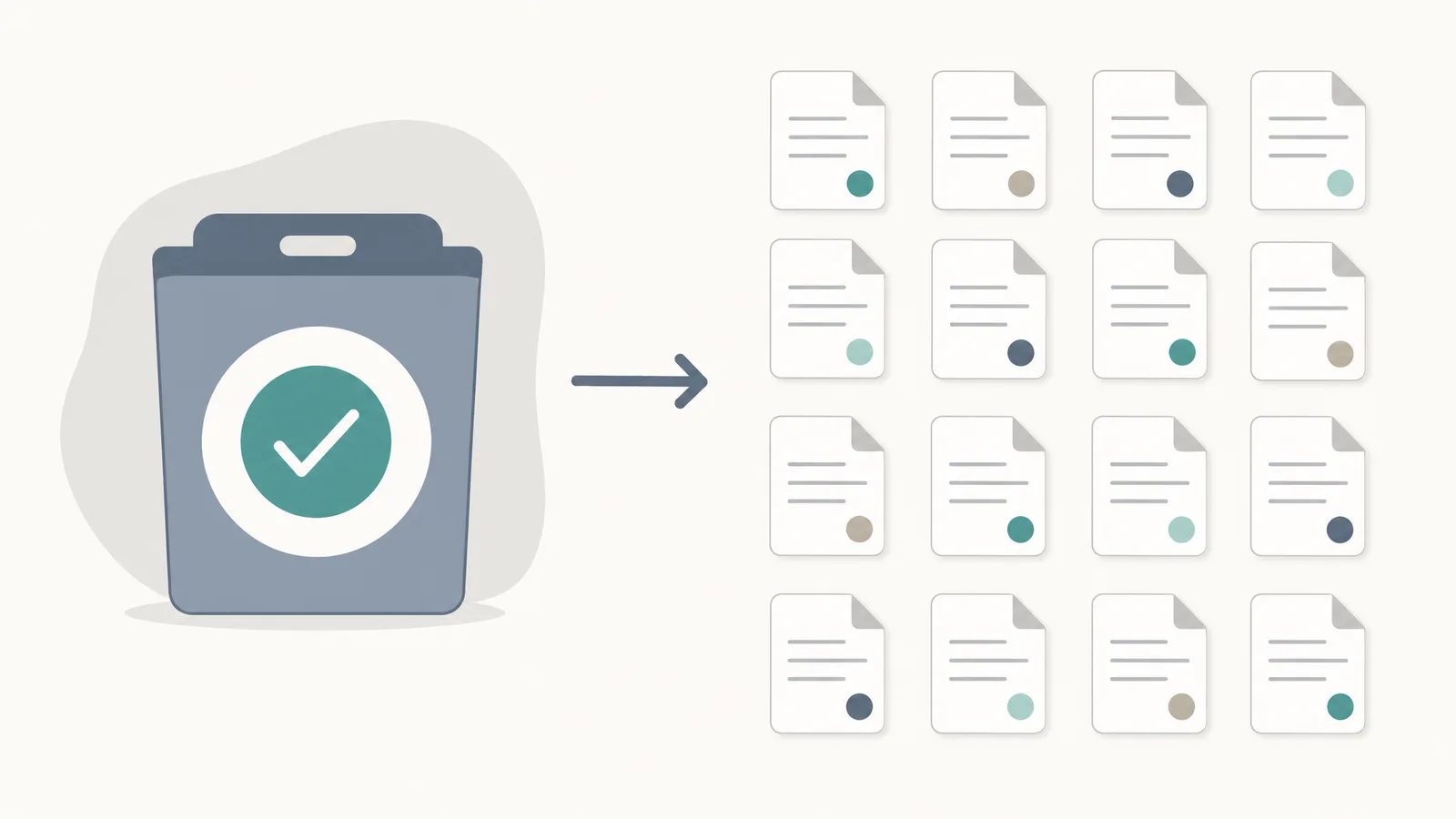
The design intent is to move evaluation from the journal level to the paper level. Instead of inheriting a number from the venue, each paper carries its own public assessment and its own public reviews, which any reader — or hiring committee — can read directly.
Whether that is a better system than a journal-level metric is a genuine debate. What is not in question is that it is a different unit of evaluation, and one that some institutional processes are not yet built to accept.
What about CiteScore, SJR and h-index?
This is the sensible next question, and the answer is not the one most journal-metrics sites will give you.
Warning
If you find an impact factor, CiteScore or quartile for eLife on a third-party journal-metrics site, check what year it is labelled with. Values published before the October 2024 indexing change are historical, and some databases carry a derived figure — a Scopus-based score, for instance — under a heading that reads "Impact Factor". Neither is eLife's current Journal Impact Factor, because there is not one.
Why researchers still search for "eLife impact factor"
The query persists for practical reasons, not because people have missed the news:
- Promotion and tenure review. Many committees still assess publication records using journal-level metrics. A paper in a journal with no stated JIF creates an awkward blank in a table.
- Grant applications. Some funders and institutions ask applicants to list impact factors alongside publications.
- Shortlisting where to submit. Researchers filtering candidate journals by metric will simply not see eLife in a JIF-sorted list.
- Comparing with peers. Early-career researchers benchmarking their record against others' find the comparison harder without a common number.
These are real constraints on real careers. The philosophical case against impact factors and the practical reality of a tenure packet are two different problems, and the second one lands on you rather than on the journal.
Next step: the figures eLife will accept
If eLife is on your shortlist, its figure rules are unusually permissive — 300 dpi, 10 cm minimum width, and no cap on how many.
Explore the ToolWhat to put in the box when a form demands a number
Three approaches that do not involve inventing a figure:
If your institution's rules make a SCIE listing genuinely mandatory, that is a legitimate reason to pick a different venue — and better to know before submission than after acceptance.
What eLife does publish about itself
Facts that are stated on eLife's own pages and are often more decision-relevant than a metric:
| ISSN | 2050-084X |
| Abbreviation | eLife — no abbreviated form; cite it in full |
| Organisation | Non-profit; eLife Sciences Publications Ltd, United Kingdom; Editor-in-Chief Tim Behrens |
| Model | Publish-review-curate — only preprints are reviewed |
| Review outcome | Reviews and eLife Assessment published regardless of whether the paper becomes a Version of Record |
| Publication fee | $3,750 for submissions from 1 July 2026, charged when a preprint is sent for peer review |
| Fee waivers | Full waiver available on request for labs under financial pressure |
| Article length | No maximum for Research Articles; ~5,000 words suggested |
| Display items | No limit on figures or figure supplements |
Should you submit to eLife?
- Your evidence benefits from being read in full, with the reviews visible alongside it
- Your paper needs more figures than a display-item cap would allow
- You want a public record of what reviewers actually said
- Your evaluation environment accepts paper-level metrics
- Your institution's rules are written specifically around SCIE-listed journals
- A grant or promotion form requires a journal impact factor and will not accept alternatives
- You are not prepared for reviewer comments on your work to be permanently public
- You need the venue's name to do the signalling work by itself
Preparing figures for eLife
Build an eLife-ready figure
300 dpi, 10 cm minimum width, scale bars in place — start from a description, or upgrade a figure you already have.
Try FreeWhere to go next
Four questions usually follow this one. Each has its own page in this guide.
- "So what are my actual odds?" — eLife sends about 35% of submissions out for review and declines the rest at a median of eight days. eLife acceptance rate explains why that number is not an acceptance rate and what it means for your paper.
- "What do the figures have to look like?" — 300 dpi, 10 cm minimum width, no cap on how many. eLife formatting requirements has the full specification.
- "How do I actually submit?" — preprint first, $3,750 charged at review rather than acceptance. eLife submission guide walks the sequence.
- "Can I use an AI tool for the figures?" — yes, with disclosure in Materials and Methods, and one hard exception. eLife AI policy covers all three rules.
Frequently asked questions
Sources
Every figure here was read from the primary sources below — Clarivate's Master Journal List for indexing, and eLife's own pages for the journal facts. Reviewed 2026.
- Web of Science Master Journal List — eLife record — current indexing position (search by ISSN 2050-084X)
- Update on eLife's indexing status at Web of Science — the SCIE pause, its effective date of 23 October 2024, the stated policy ground, and eLife's DORA position; the May 2025 addendum carries the survey of funders and institutions
- Changes to eLife's indexing status in Web of Science and Scopus — the partial feed, the 93% / 7% split by eLife Assessment, the statement that partial indexing makes the journal ineligible for the JIF, and the Scopus Preprints Collection move
- Clarivate — 2023 Journal Citation Reports changes — the extension of the JIF to all Core Collection journals including ESCI
- About eLife — organisation, publish-review-curate model, editorial leadership
- eLife author instructions — publication fee, waivers, article types and length
Figures for eLife's last impact factor circulate on third-party sites without a primary source behind them, so no value is given here. The dates and the mechanism above come from eLife's own announcements and are quoted directly.