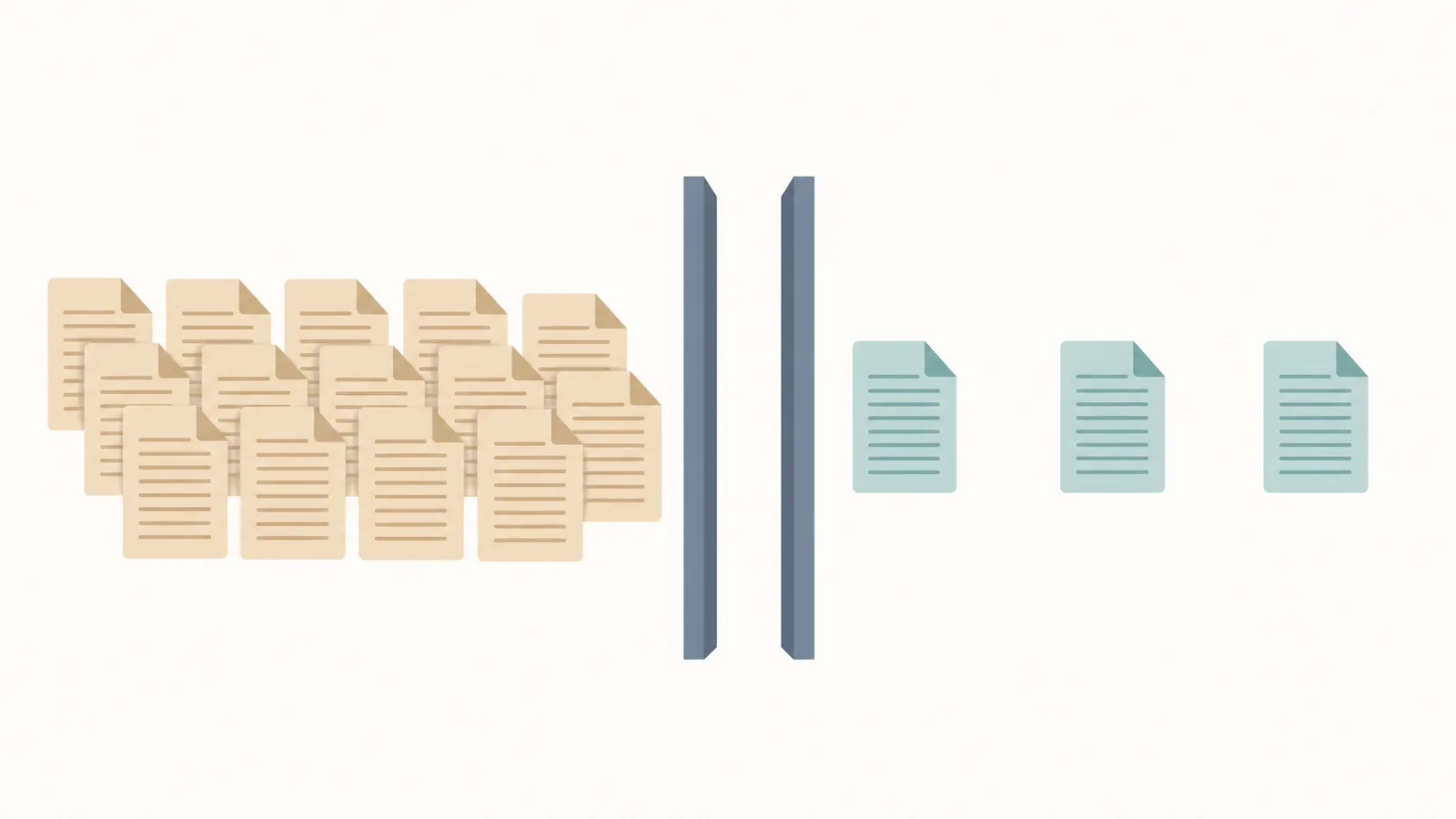

eLife only reviews preprints, and charges its $3,750 fee when review starts — not on acceptance.
Submitting to eLife works differently enough from a conventional journal that the usual checklist does not transfer. There is no accept/reject decision in the traditional sense, the fee is charged before you know the outcome, and the reviews are published whether or not the paper becomes a Version of Record.
None of that is hidden — but it does mean the decision to submit is a different decision than it looks.
The checklist below assumes your manuscript and every scientific figure in it are already prepared to the journal's specification.
Key numbers before you submit
| Publication fee | $3,750 for submissions from 1 July 2026 |
| When it's charged | When the preprint is sent for peer review — not on acceptance |
| VAT | 20% added if invoiced to an individual rather than a business |
| Waivers | Full waiver available on request |
| Preprint | Required — eLife only reviews preprints |
| Research Article length | No maximum; ~5,000 words suggested for main text |
| Display items | No limit |
| Payment methods | Wire transfer, credit card, or cheque (USD drawn on a US bank) |
How eLife's process actually works
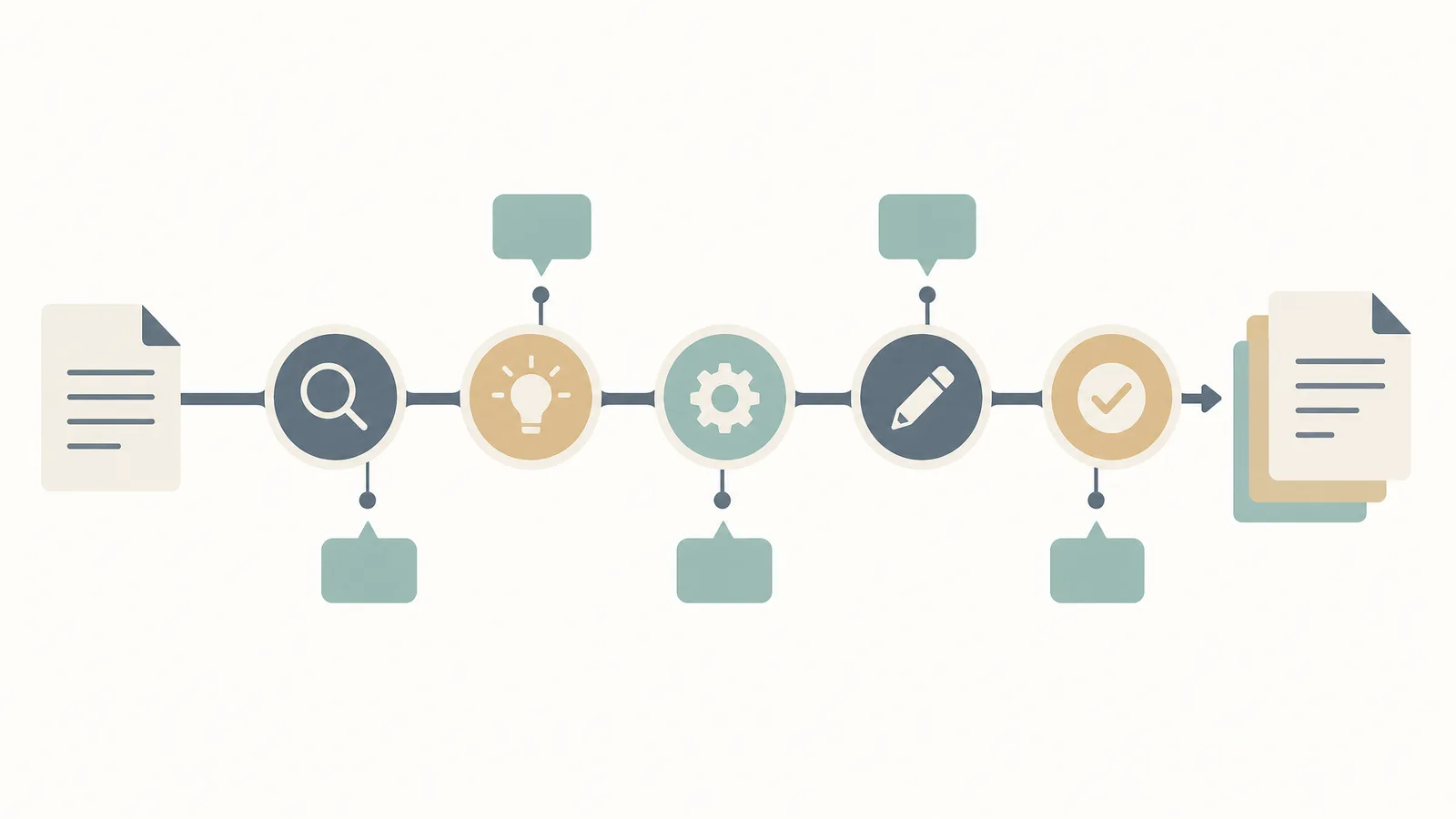
- You post a preprint to a preprint server. This is not optional — eLife only peer-reviews submissions that are available as preprints.
- You submit to eLife. Editors decide which submissions to send for review, selecting papers where the reviews will be of greatest public value.
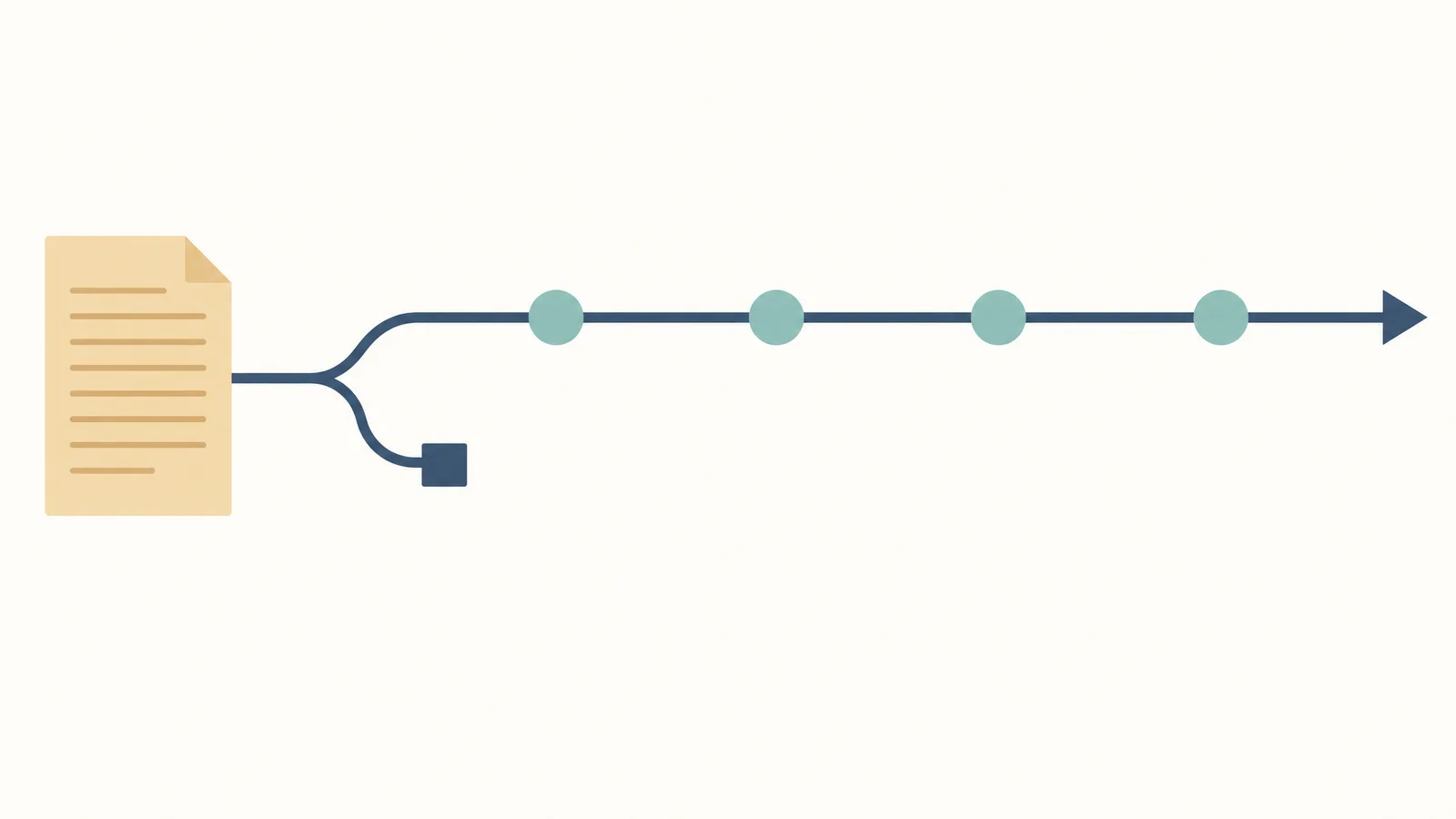
- The fee is charged at this point — when the preprint goes out for review, before any outcome is known.
- Reviews are published. The paper appears as a Reviewed Preprint with the public reviews and an eLife Assessment attached.
- You respond and revise. Subsequent versions of the Reviewed Preprint are published, and a Version of Record follows at the authors' request.
The fee covers the whole chain: initial evaluation, staff checks, peer review, publication of the Reviewed Preprint, re-review, publication of subsequent versions, and the Version of Record.
What "no accept/reject" means in practice

Under the reviewed preprint model, every reviewed paper receives a public assessment. Whether a paper is formally published by eLife as a Version of Record depends on meeting quality thresholds — but the review and the assessment are published either way.
For authors, this converts a familiar risk into an unfamiliar one. At a conventional journal, a bad review costs you time and you submit elsewhere with the review invisible. At eLife, a bad review is part of the permanent public record attached to your preprint.
At eLife your figures become public with the reviews
The reviewed version is the version readers see. Build the figures to specification before that record is permanent.
Explore the ToolArticle types and length limits
| Type | Main text | Display items |
|---|---|---|
| Research Article | No maximum; ≤ 5,000 words suggested (excluding Methods, References, figure legends) | No limit |
| Short Report | ≤ 1,500 words | 3–4 main items |
| Research Advance | Any length | Any number; minimal introduction needed |
| Review Article | No restriction; 2–3,000 words (short) to 10,000 words (long) | Up to 8 figures |
| Feature Article | No strict limit; stay below 2,000 words advised | 2 display items advised |
| Scientific Correspondence | ≤ 1,500 words | ≤ 4 main items |
Replication Studies are titled "Replication Study: 'Title of original article'", with the abstract stating which parts of the original are the focus and why. Comments are titled "Comment on 'Title of original article'".
Research Articles have flexibility in structure — a combined Results and Discussion section is acceptable.
What has to be in the submission package
.bib bibliography file alongside, plus any .sty style packages used.The fee question, answered directly
Before you upload: a checklist
- Preprint posted to a preprint server
- Funding confirmed, or waiver requested, for the fee at review time
- Figures uploaded individually, each single-page, 300 dpi minimum and at least 10 cm wide
- Scale bars on micrographs; molecular weight markers on gels and blots
- Figure legends contain tests, exact n, p values, inclusion/exclusion criteria
- Raw uncropped gel and blot files prepared
- Tables supplied as tables, not as images
- Colour scheme checked for accessibility (Colour Universal Design)
- Author Response drafted as a public-facing document
- LaTeX submissions include
.biband any.styfiles
When eLife is the wrong choice
- Your institution requires SCIE-listed venues — eLife is listed in Emerging Sources Citation Index rather than SCIE
- You need a journal-level impact factor for a form that will not accept alternatives
- You are not prepared for reviewer criticism to be permanently public
- You need the fee to fall on acceptance rather than at review
- Your evidence is not yet robust enough to withstand public expert scrutiny at the moment of submission
That last one deserves emphasis. At a conventional journal, submitting slightly early costs you a rejection. Here, it costs you a public review saying the evidence is incomplete.
Preparing figures for a public review
Because eLife's reviews are published alongside the paper, figure quality is unusually visible. A reviewer comment about unreadable axis labels or a missing scale bar becomes part of the permanent record.
Prepare eLife figures to specification
300 dpi, 10 cm minimum width, scale bars and statistics in the legend — built to the spec the first time.
Try FreeWhere to go next
- "What are my chances of getting reviewed?" — 35% of 2025 submissions were sent out; the rest were declined at a median of eight days. eLife acceptance rate works through what that gate rewards.
- "What exactly do the figures need?" — 300 dpi, 10 cm minimum width, no limit on figures or supplements. eLife formatting requirements.
- "Can I use AI to make them?" — yes with disclosure, except for one image type. eLife AI policy.
- "What do I write where a form asks for the impact factor?" — eLife has none, for a specific and citable reason. eLife impact factor gives a sentence you can paste.
Frequently asked questions
Sources
Every process detail, fee and limit here was read from eLife's own author instructions. Reviewed 2026.
- eLife author instructions — editorial process, article types, length limits, figure preparation, publication fees and waivers
- About eLife — organisation and publish-review-curate model