Nature Communications accepts format-flexible first submissions up to 30 MB, with an APC of $7,350 on acceptance.
Nature Communications makes the first submission deliberately easy and the final submission deliberately exact. Understanding which requirements bind at which stage saves a lot of unnecessary work — and prevents the one mistake that is expensive to undo.
Most of what follows is administrative, but the scientific figure specifications near the end are the ones that cost time if you get them wrong.
Key numbers before you submit
| APC | £5,490 / $7,350 / €6,150 plus applicable tax |
| When it's set | By the acceptance date |
| Submission / page charges | None |
| Impact factor | 18.1 (2025 JIF, 2026 JCR release; 5-year: 18.9) |
| Main text | ≤ 5,000 words suggested |
| Title | ≤ 15 words |
| Abstract | ≤ 200 words, no references |
| Display items | Maximum 10 (figures and/or tables) |
| First submission file size | Up to 30 MB as a single combined file |
| Pre-submission enquiries | Not considered |
First submission: less formatting than you expect
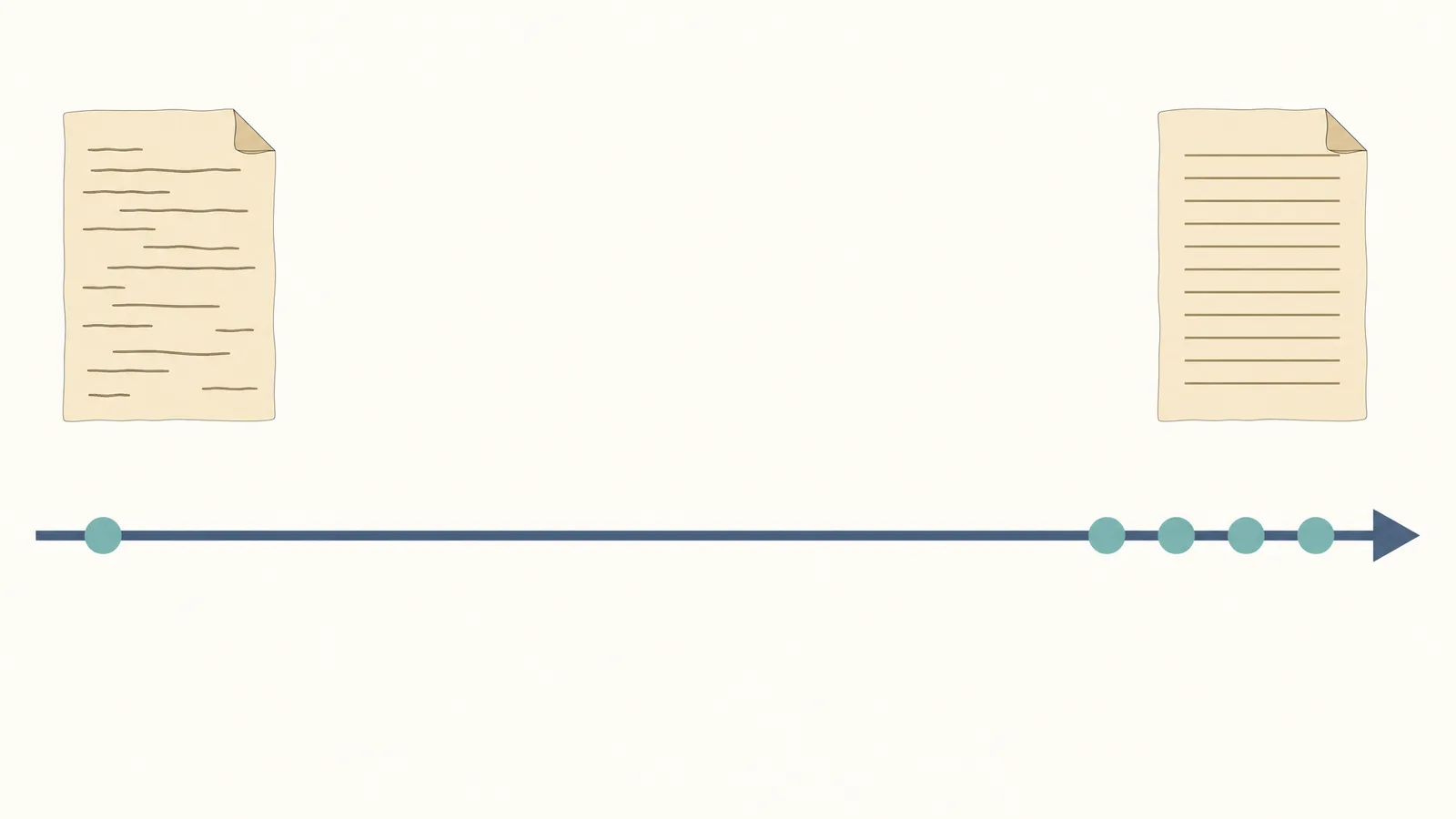
Nature Communications states plainly that it "is flexible with regard to the format of initial submissions" and that "within reason, style and length will not directly influence consideration of a manuscript." No particular structure or format is required at first submission.
There are no pre-submission enquiries
The journal does not consider them. Its stated reason: it prefers to make decisions "with all relevant material at hand," so it encourages you to submit the full manuscript instead.
Practically, this removes the informal scope check that some journals offer. Your cover letter has to do that work — briefly stating the importance of the work and why it suits the journal's diverse readership.
Your cover letter and figures do the convincing
With no pre-submission enquiry, a generalist editor judges the advance from your abstract and your display items.
Explore the ToolStructure and length
The main text of an Article runs Introduction → Results → Discussion (if appropriate) → Methods.
- Main text: ideally within 5,000 words, excluding abstract, Methods, references and figure legends
- Title: 15 words maximum
- Abstract: 200 words maximum, containing no references
- Display items: up to 10 figures and/or tables, depending on word count
A limited number of uncaptioned molecular structure graphics and numbered mathematical equations may be included in addition to the display item allowance.
article.cls, revtex.cls or amsart.cls. Supply all textual material as a single file in default Computer Modern fonts, and avoid non-standard fonts and packages.The figure requirements that bind at final submission
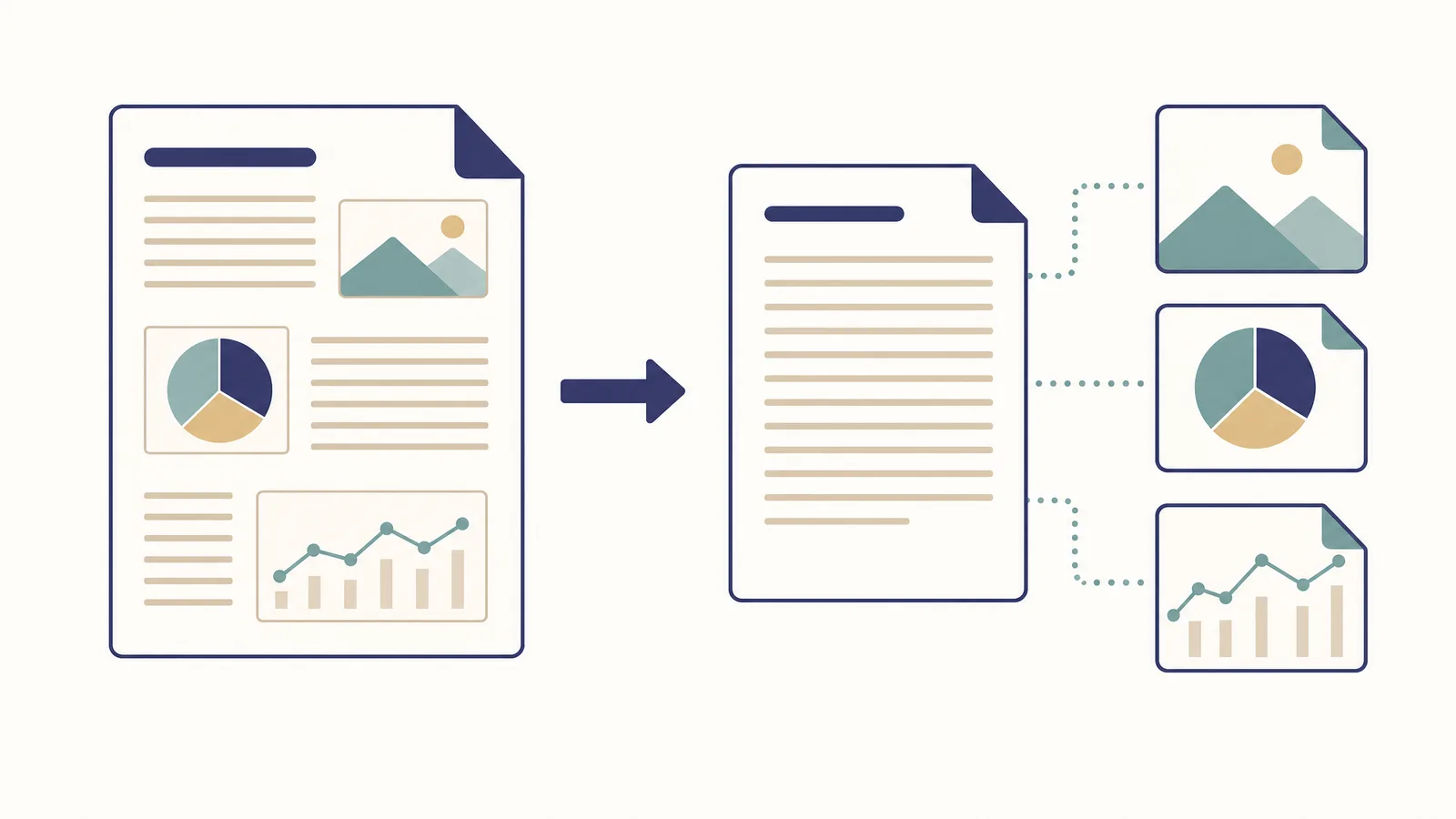
These apply at publication, not at first submission — but two of them determine how you should build figures from the beginning:
| Requirement | Value |
|---|---|
| Single-column width | 88 mm (≥ 1,040 px) |
| Double-column width | 180 mm (≥ 2,080 px) |
| Line art | Vector — EPS, AI, PDF; or 1,200 DPI if vector is impossible |
| Photographs | TIFF at 300 DPI minimum, RGB |
| Figure lettering | Sans-serif (e.g. Helvetica), consistent across all figures |
| Thinnest line | ≥ 1 point |
Column width and vector format are the two to respect from day one. Rebuilding a figure at 88 mm after composing it at some other size means re-laying-out every label; converting a flattened bitmap back to vector means redrawing it.
Manuscript transfer from other Nature journals

If a paper is rejected from another Nature journal, an automated transfer service can move it to Nature Communications through a link sent by the handling editor. Referees' comments — including confidential comments to the editor — travel with it.
Nature Communications is editorially independent: where a paper could suit more than one Nature journal, the choice of where to submit is the authors'.
Fees and open access
What does Nature Communications require if AI helped make a figure?
What replaced them is a three-tier framework with two obligations running through all of it: "Human accountability is non-transferable," and, for authors, "Disclose AI use for trust and transparency." The only image-specific entry in the Not-permitted tier is "Creating photorealistic images (deepfakes)" — the other lines that can catch a figure are about fabricated data or AI-derived conclusions presented as your own, not about which application drew the diagram.
Additional requirements worth knowing
Ttn, not titin). Unapproved proposed gene names must be submitted to the relevant nomenclature committee before publication.Pre-submission checklist
- Full manuscript ready — there is no pre-submission enquiry route
- Title ≤ 15 words; abstract ≤ 200 words with no references
- Main text within ~5,000 words excluding Methods, references, legends
- Display items ≤ 10 total
- Figures built at 88 mm or 180 mm column width
- Line art in vector format, not flattened
- Cover letter states importance and fit for a diverse readership
- Combined submission file under 30 MB
- Funding confirmed for a $7,350 APC at acceptance, or waiver eligibility checked
- Source data and custom code prepared if applicable
When Nature Communications is the wrong choice
- Your evidence genuinely needs more than 10 display items — eLife places no limit on figures
- No APC funding is available and no waiver applies
- You need a pre-submission scope check before committing
- Your advance is incremental within a narrow specialty, where a strong field journal reaches your actual readers more directly
Getting figures right before you submit
The figure requirements are where submissions lose the most time, and the two decisions that are expensive to reverse — column width and vector format — are both made when the figure is first created rather than when it is exported.
Get Nature Communications figures right first time
Editable vector output sized to 88 mm or 180 mm — no pixel grid to fall below, and labels stay editable when a reviewer asks.
Try FreeWhere to go next
- "What happens after I click submit?" — 9 days to the first editorial decision, 242 days to acceptance, and a set of status labels that do not mean what they look like. Nature Communications review timeline.
- "What exactly do the figures need?" — vector line art, 300 DPI photographs, 88 mm or 180 mm column widths, minimum 1 pt line weight. Nature Communications formatting requirements.
- "Is the APC justified?" — impact factor 18.1 and five other publisher-reported metrics, with what each one actually answers. Nature Communications impact factor.
Frequently asked questions
Sources
Every requirement, limit and fee here was read from the journal's own author pages. Reviewed 2026.
- Nature Communications — How to submit — submission format, file limits, figure preparation, source data and code policies
- Nature Communications — Article content type — word, title, abstract and display item limits
- Nature Communications — Open Access Fees and Funding — APC and waivers
- Nature Communications — Guide to authors — editorial model, transfers and scope
- Nature Communications — Journal Metrics — impact factor