WCLC 2026 Poster & Presentation Guidelines and Template
Official WCLC 2026 poster rules: A0 landscape poster size, the mandatory e-poster upload deadline, oral/mini-oral slide limits, and JTO abstract publication.
SciFig Team
SciFig editorial team
The IASLC 2026 World Conference on Lung Cancer runs September 12–15, 2026 at COEX in Seoul, South Korea.
This is a practical guide to the official poster and presentation rules for the IASLC 2026 World Conference on Lung Cancer (WCLC 2026): the A0 landscape poster size, and the mandatory e-poster upload with its September 2 deadline.
It also covers oral and mini-oral slide limits, where accepted abstracts are published in the Journal of Thoracic Oncology, and the lung cancer figures that make a poster or slide worth stopping for. Every date and specification below links to official WCLC materials.
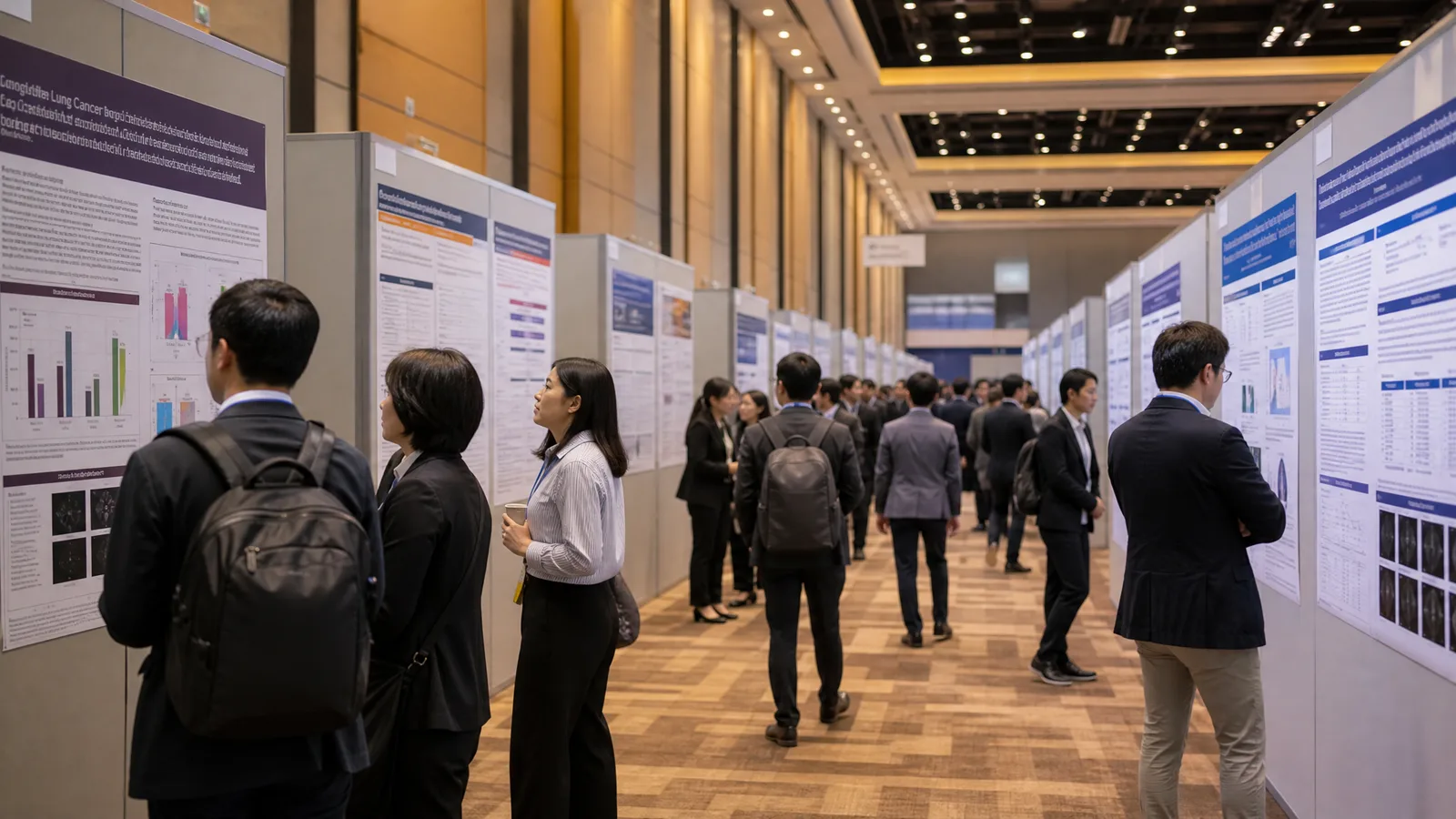
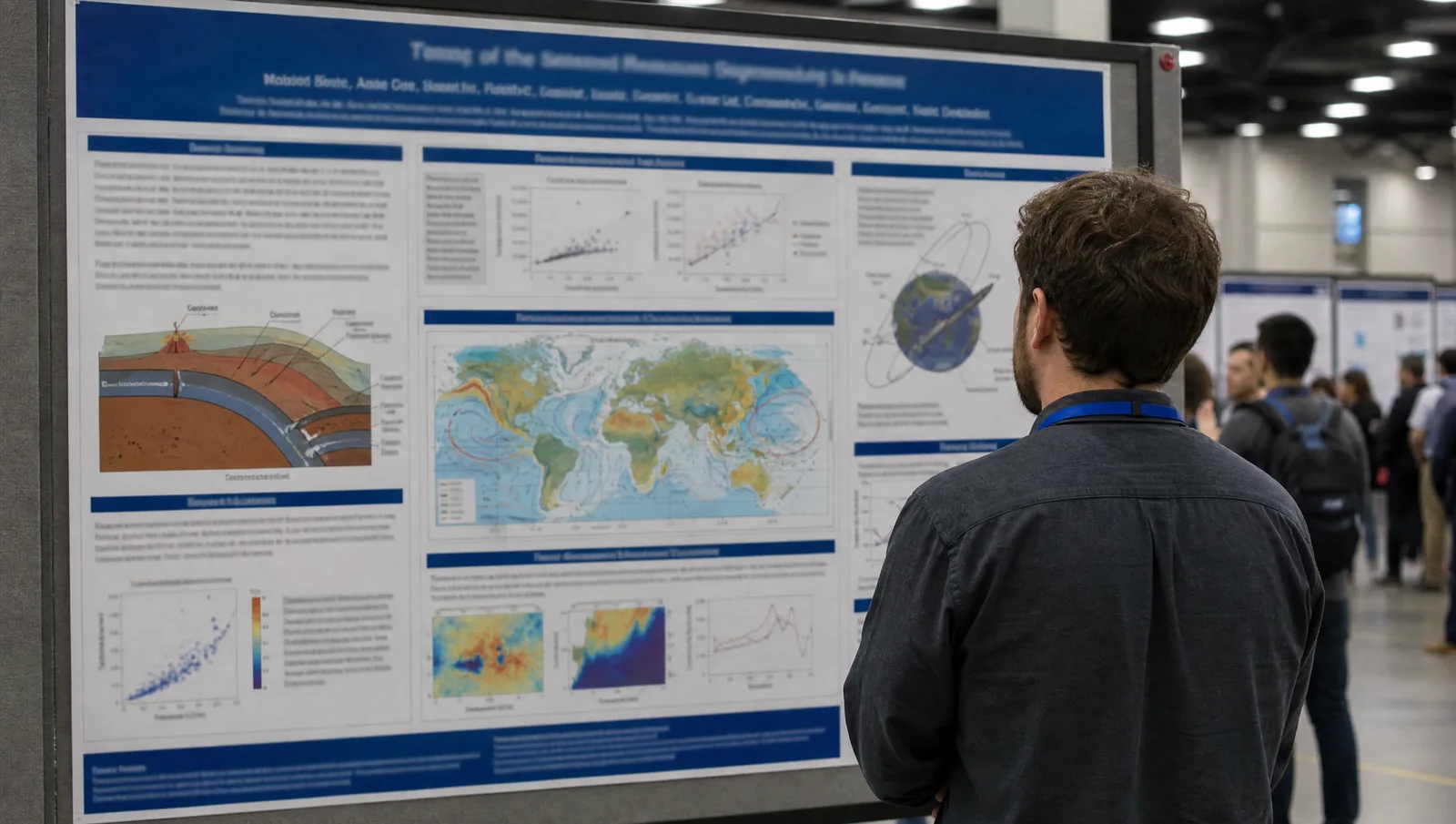
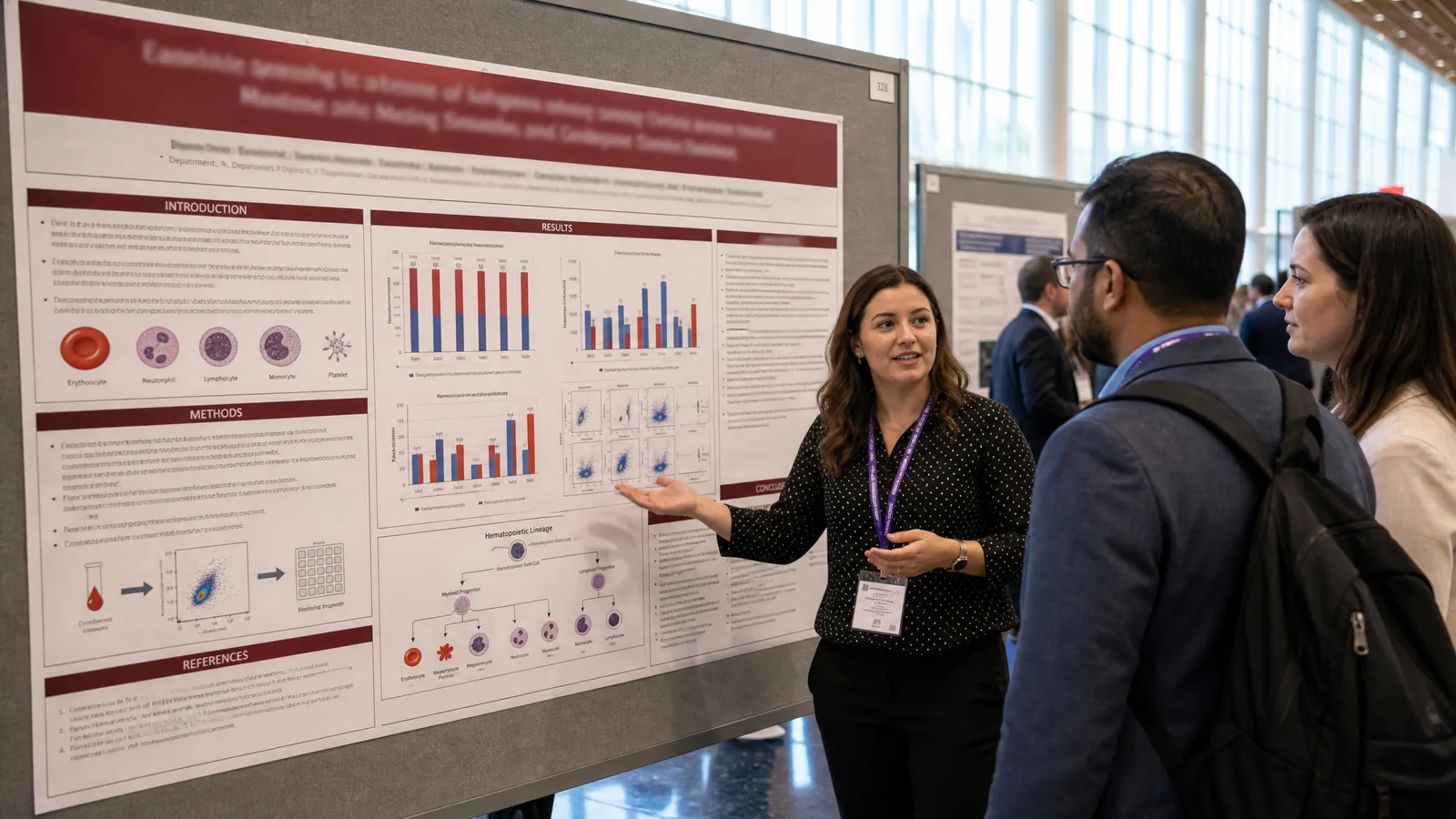
WCLC 2026 lung cancer poster session at COEX in Seoul: a wide-angle view down a busy poster hall aisle with rows of landscape scientific posters and attendees (Figure generated with SciFig)
Transparency note: Illustrations in this article were generated with SciFig AI and reviewed by the author for scientific accuracy. Factual claims about dates and specifications link to official WCLC and IASLC materials.
1. WCLC 2026 at a Glance: Dates, Venue, and Key Deadlines
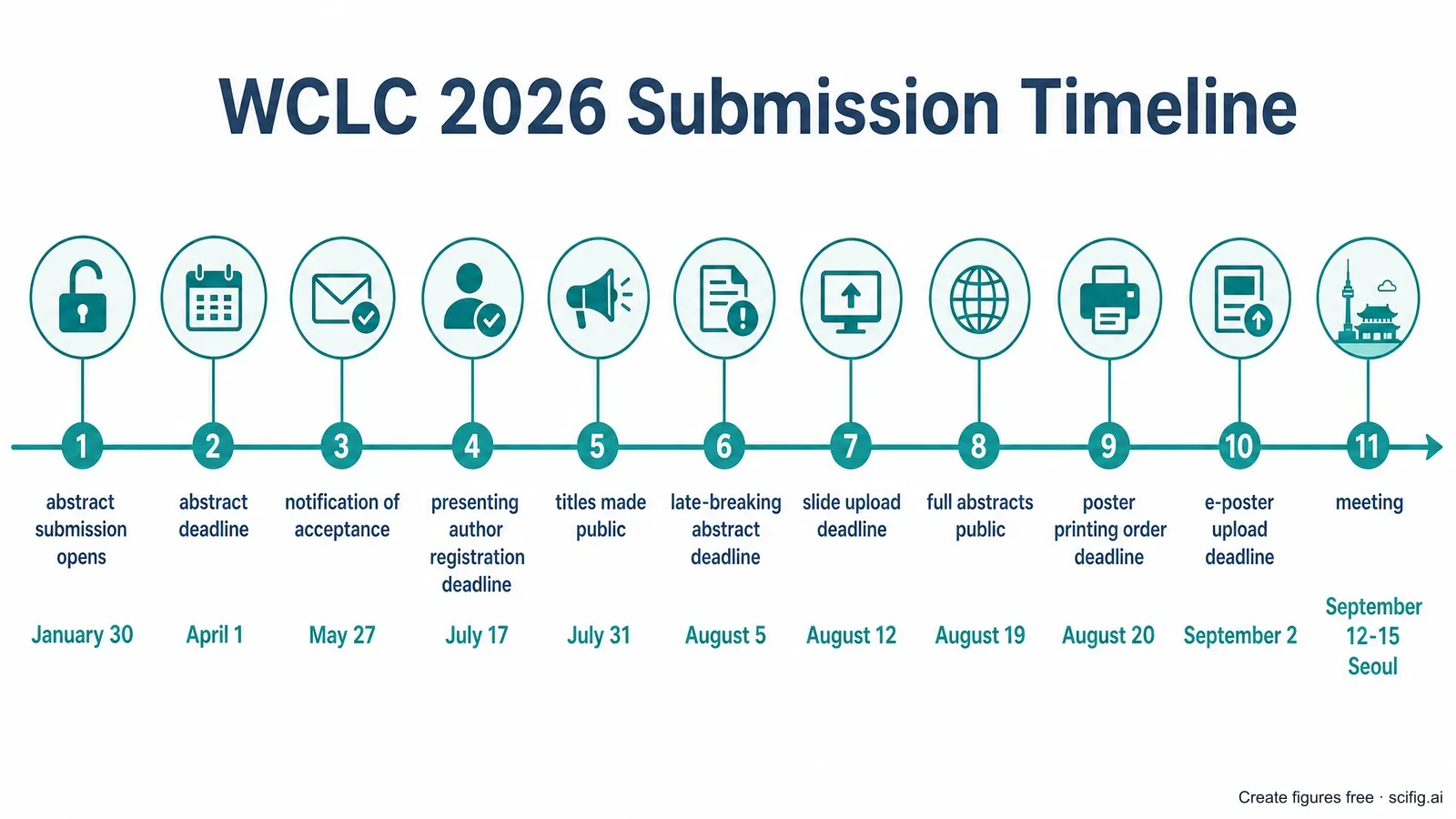
The IASLC 2026 World Conference on Lung Cancer (WCLC 2026) runs September 12–15, 2026 at the COEX Convention & Exhibition Center in Seoul, Republic of Korea (Korea Standard Time), and this year's abstract acceptance notifications were sent May 27, 2026 with presenting author registration due July 17, 2026. Organized by the International Association for the Study of Lung Cancer (IASLC) under the theme "Science Without Boundaries: Uniting the World Against Thoracic Cancer," WCLC 2026 expects more than 7,000 international attendees across 130+ sessions and workshops, with over 2,300 abstracts submitted. Because poster printing and e-poster upload deadlines land in August and early September — well before the meeting itself — it is worth mapping the full WCLC 2026 timeline now.
WCLC 2026 submission timeline: abstract deadline April 1, notifications May 27, presenting author registration July 17, conference September 12-15 Seoul (Figure generated with SciFig)
Date
Milestone
30 January 2026
Abstract submission opens
1 April 2026 (23:59 MDT)
Abstract submission deadline (incl. intention to submit late-breaking abstracts)
27 May 2026
Notification of abstract acceptance
12 June 2026
Early registration ends
17 July 2026 (23:59 MDT)
Presenting author registration deadline
24 July 2026
Regular registration ends
31 July 2026 (10:00 MDT)
Abstract title release (except late-breaking)
5 August 2026 (23:59 MDT)
Late-breaking abstract submission deadline
12 August 2026
Late-breaking abstract notifications
12 August 2026
Oral and mini-oral slide upload deadline
14 August 2026 (10:00 MDT)
Late-breaking acceptance confirmation deadline
19 August 2026 (10:00 MDT)
Full abstract release (except embargoed abstracts)
20 August 2026 (23:59 CET)
Poster print order deadline (official on-site printing service)
2 September 2026
E-poster upload deadline
12–15 September 2026
WCLC 2026, COEX, Seoul
A registration note: presenting authors who are not registered by the July 17 deadline have their presentations withdrawn from the program, so confirm your WCLC 2026 registration as soon as your abstract is accepted.
2. WCLC 2026 Poster Size, Format, and Printing (A0 Landscape)
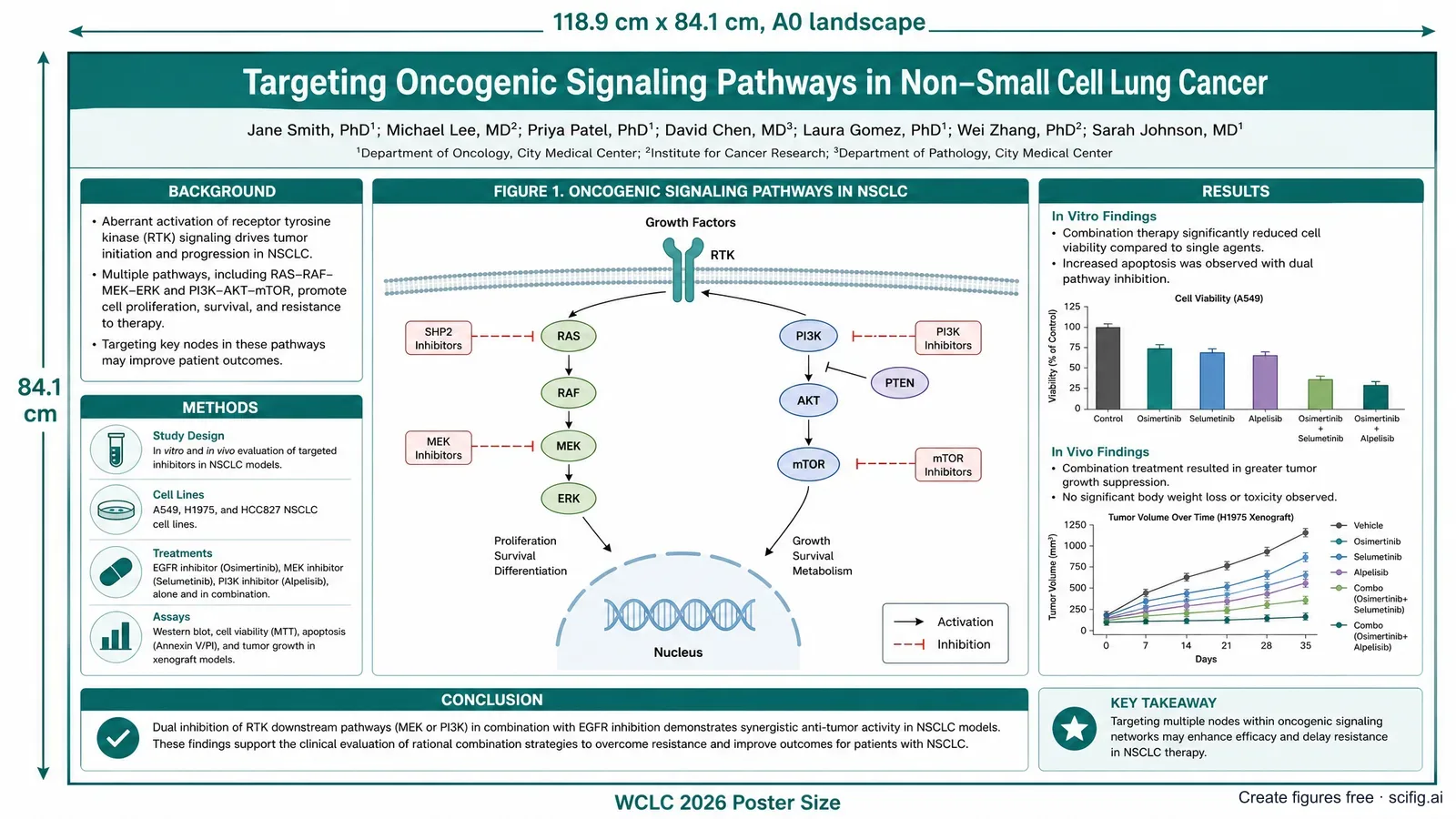
A WCLC 2026 printed poster must be A0 landscape — 118.9 cm wide by 84.1 cm high — prepared as a single-page, print-ready PDF or PowerPoint file; smaller posters fit the boards, but nothing may exceed this size. Poster installation runs 7:30–8:30 a.m. each presentation day, and presenters must be at their board during the assigned viewing window — 10:30 a.m.–12:00 p.m. on September 13–14, and 9:30–11:00 a.m. on September 15.
These WCLC 2026 poster size, format, and template rules come from the official WCLC 2026 Presenter Resources page. A few points shape how you build the poster template:
Landscape A0 maximum (118.9 × 84.1 cm) — design to this wide ratio from the start; a tall portrait layout wastes board space.
On-site printing is optional, not free — IASLC's official print partner will print, pack, and deliver your poster to COEX for USD $110, but the order must be placed by August 20, 2026 (23:59 CET). Bringing your own printed poster is also acceptable.
Every in-person poster also needs an e-poster — printing a physical board does not exempt you from the electronic upload (see §3).
Readable from a distance — poster hall traffic is heavy during viewing sessions, so high contrast and a clear hierarchy matter as much as the science.
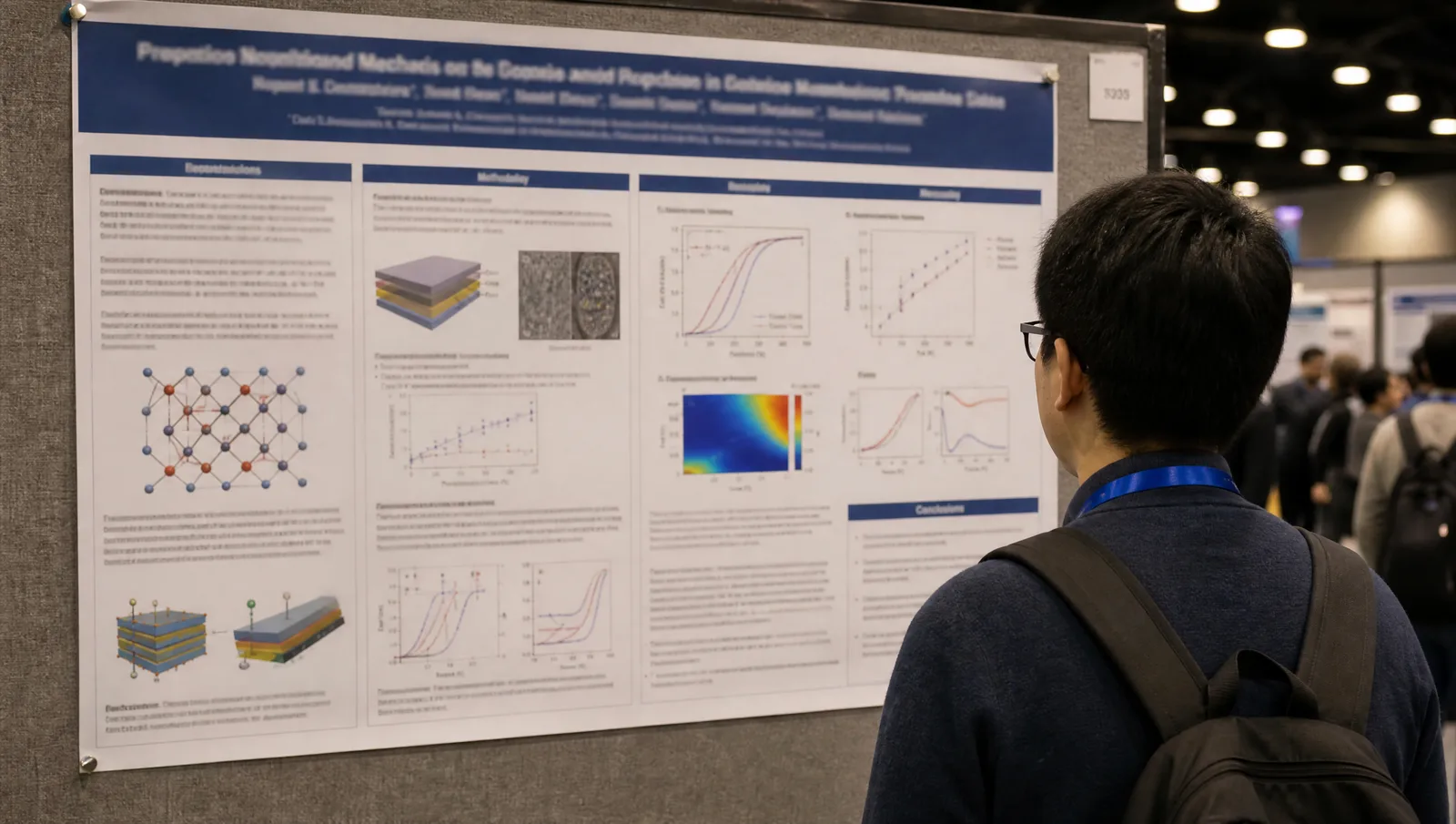
WCLC 2026 poster size and template: A0 landscape 118.9 by 84.1 centimeter poster layout with title bar, author row, hero mechanism figure, methods and results panels (Figure generated with SciFig)
The lung cancer figures on a WCLC poster — a driver-gene mechanism, a resistance pathway, an ADC schematic, a biomarker-testing flow — are the slowest part of that layout to produce well. You can generate publication-grade versions online for free and drop them straight into your poster composition.
Need a hero figure for your WCLC poster?
Start from an EGFR/ALK pathway, a resistance mechanism, or an ADC schematic before you open PowerPoint.
A0 landscape is a size our library ships as its own file rather than a rotated portrait sheet: the conference poster templates include an A0 landscape layout in editable PowerPoint with the print type scale already applied, so nothing needs rescaling to fit the board.
3. WCLC 2026 E-Poster: Requirements and the September 2 Upload Deadline
Every in-person WCLC 2026 poster presenter must also submit an electronic e-poster — a PDF (PowerPoint is accepted), 16:9 aspect ratio, with multiple slides permitted — uploaded through the presenter portal by September 2, 2026; presenters who choose the e-poster-only track skip the printed board entirely and do not need to attend in person. This dual requirement catches many first-time WCLC presenters off guard: printing your board for Seoul does not remove the separate e-poster obligation.
The upload portal opens July 29, 2026, well ahead of the September 2 deadline, and e-posters are displayed both on E-Poster Terminals at COEX and on the WCLC virtual platform, per the official WCLC 2026 Presenter Resources page. Because an e-poster is read on a screen rather than from a meter away, vector-style figures that stay crisp when a delegate zooms in serve you far better than a photographed or low-resolution panel.
4. WCLC 2026 Oral and Mini-Oral Presentations: Slides and Time Limits
A WCLC 2026 oral presentation is capped at 10 slides (excluding the title/author slide) for a 10-minute slot, while mini-oral presentations are capped at 5 slides for a 5-minute slot — both built in PowerPoint, 16:9 landscape, and uploaded through the Speaker portal by August 12, 2026. Arrive at your session room at least 10 minutes before it begins.
Every oral, mini-oral, and discussant presentation requires a disclosure slide (invited speakers are exempt) — plan it alongside your figures, not as an afterthought, since it belongs at the front of your deck. With only 5–10 slides available, nearly every WCLC oral or mini-oral needs one clear, decisive figure — a pathway, a resistance mechanism, a trial schema — doing the explaining instead of a paragraph of text. See the official WCLC 2026 Call for Abstracts page for the full presentation-type breakdown.
WCLC caps an oral at 10 slides and a mini-oral at 5, both 16:9 — which makes the running order the hard part, not the ratio. Our scientific presentation templates are 16:9 academic decks already ordered the way a conference talk runs, so each of those 10 slides arrives with a job to do.
5. What Figures Do You Need? Poster, Slides, and Abstract
Whether you are building a poster, an oral or mini-oral slide deck, or the abstract itself, WCLC's thoracic oncology audience expects the same handful of figure types — and the most time-consuming ones can be generated online for free in minutes. The exact mix depends on your track (WCLC 2026 spans 17 submission tracks, from Tumor Biology and Pathology and Biomarkers to Resectable and Unresectable NSCLC, Metastatic NSCLC by treatment class, and SCLC/Neuroendocrine Tumors), but a few figure types recur across the meeting:
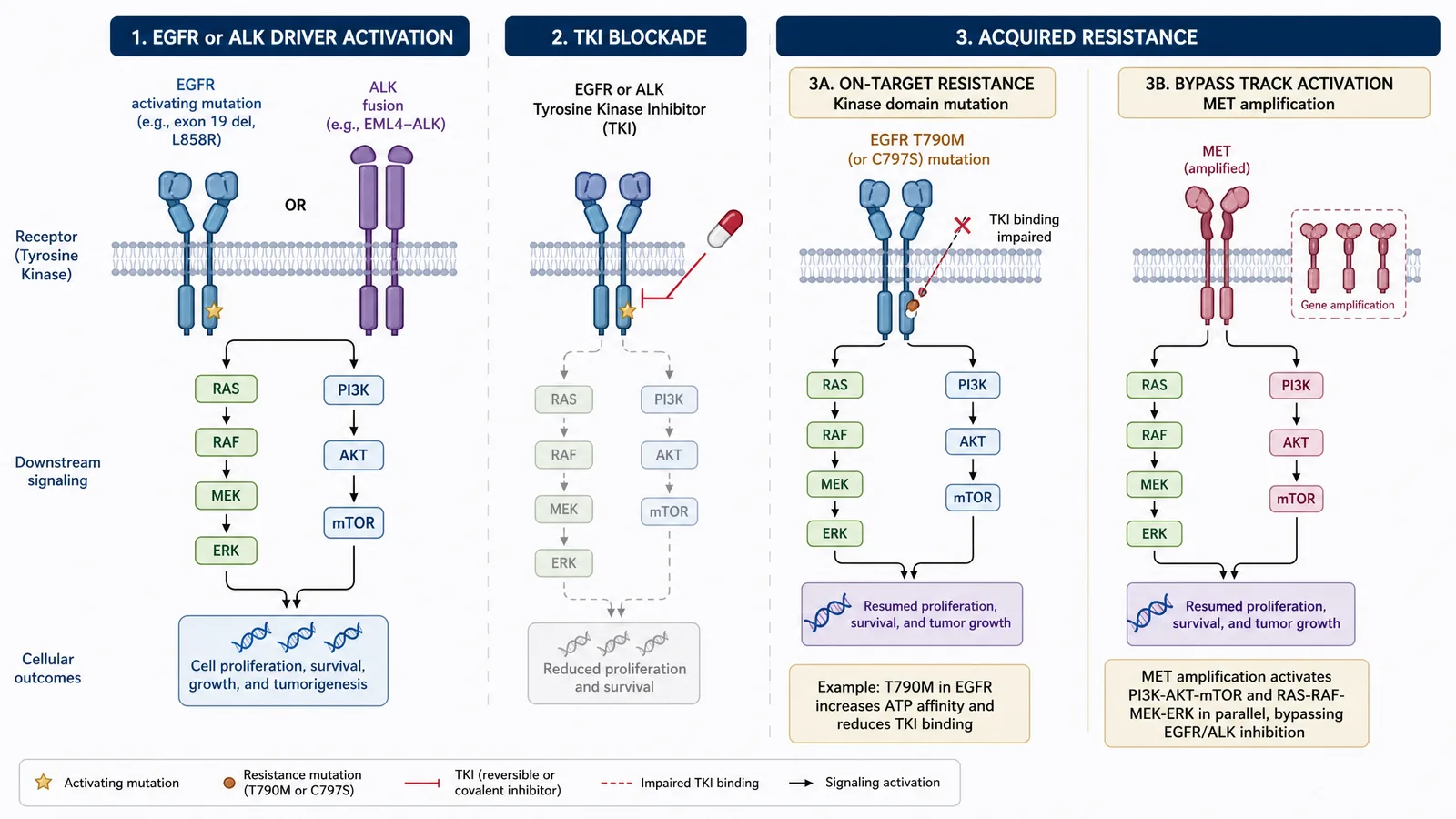
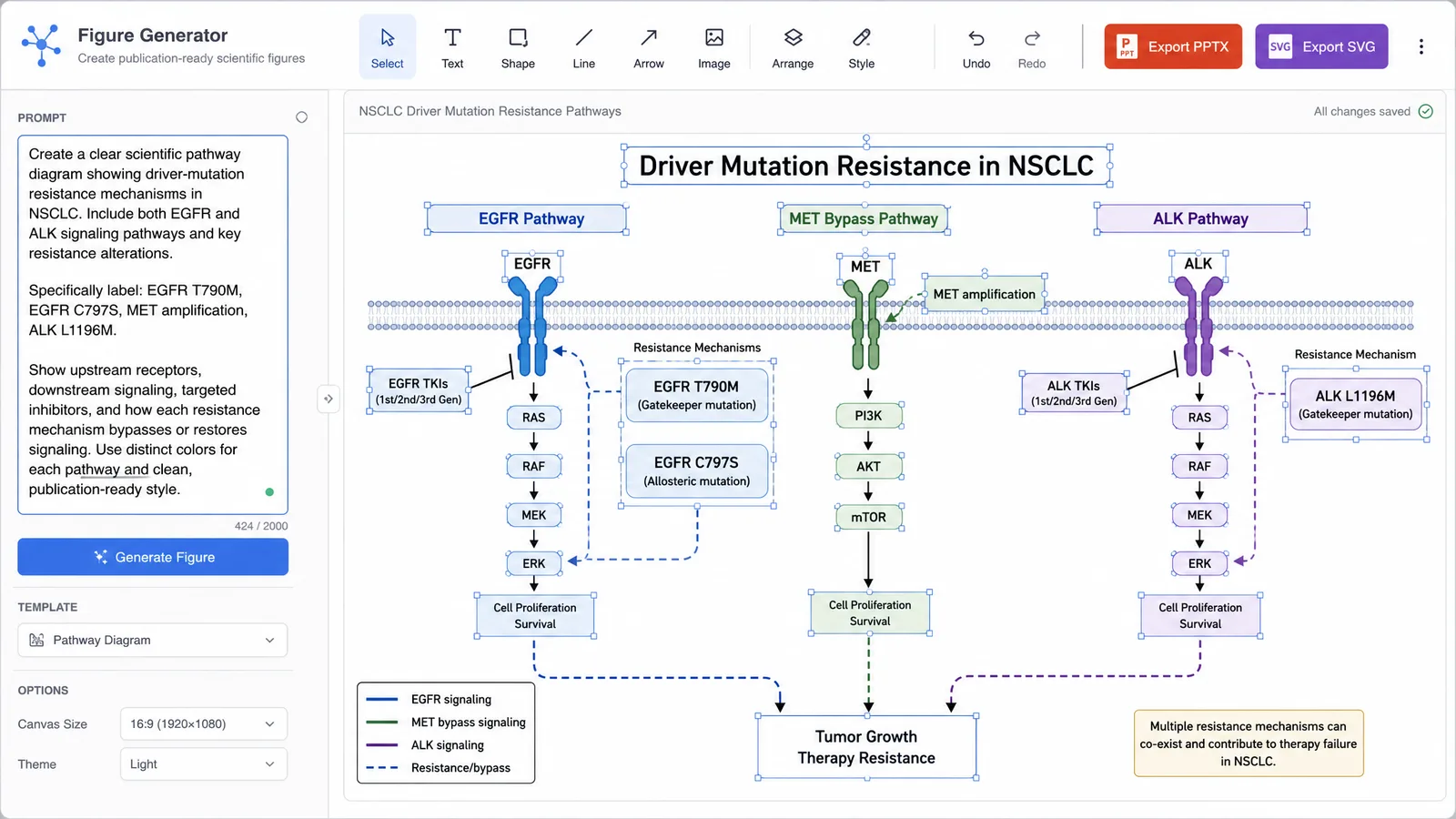
Driver-gene mechanism of action (MOA) — the EGFR or ALK signaling pathway a targeted therapy blocks, and the downstream cascade it disrupts. Often the figure that decides whether your poster gets read.
Acquired resistance pathway — the on-target (kinase-domain mutation) or off-target (bypass signaling) mechanism your data addresses, drawn with the mutation or amplification correctly placed.
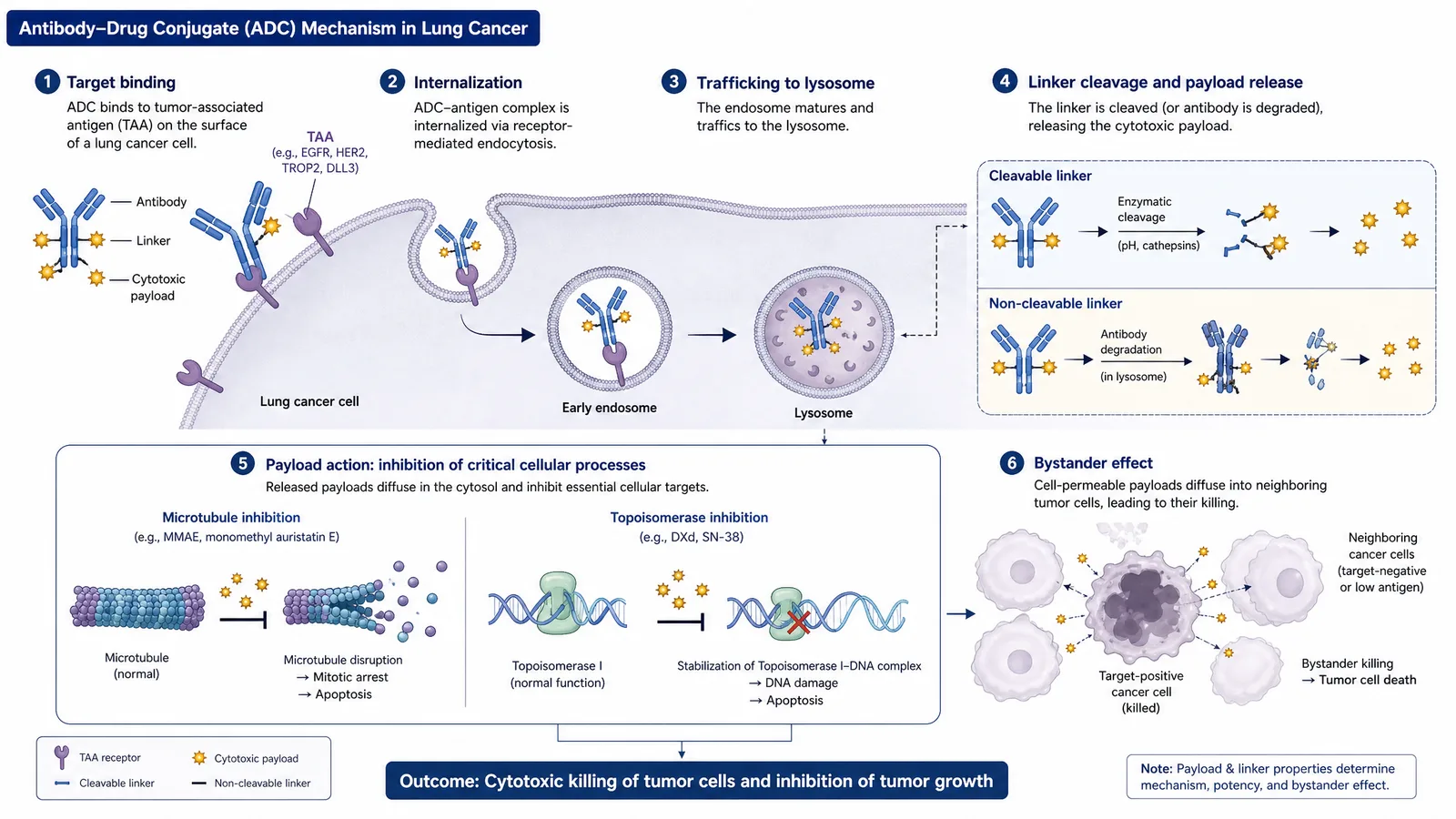
Antibody-drug conjugate (ADC) mechanism — antibody, linker, and payload, with internalization and any bystander effect shown in the correct order. WCLC 2026 gives ADC and cytotoxic therapy its own submission track, reflecting how fast this figure type is growing.
Biomarker testing algorithm or trial schema — the molecular-testing flow that routes a patient to a treatment arm, or the enrollment/randomization design behind your data.
WCLC 2026 EGFR and ALK driver-gene pathway figure: targeted therapy blocking the receptor, downstream signaling, and resistance mutations branching on and off target (Figure generated with SciFig)
In your abstract itself, WCLC permits up to two images (minimum 300 dpi, GIF/JPEG/JPG/PNG), each counted as 100 words against the 500-word limit — and because accepted abstracts are published in the Journal of Thoracic Oncology, that figure becomes part of the citable record. A clean pathway or trial schema in the abstract is a genuine, often-overlooked way to make your science legible before a reader ever reaches your poster.
6. Designing a Winning WCLC Poster: Accuracy That Survives Peer Scrutiny
A winning WCLC poster passes two tests: it is grasped in three seconds by a delegate walking the poster hall, and it is scientifically exact enough to survive scrutiny from a thoracic oncologist standing in front of it. The best layouts build around one dominant "hero" figure — usually the driver-gene pathway or resistance mechanism with the key result nearby — with everything else arranged to support it.
The second test is where general-purpose AI image generators fall short. A tool like Nano Banana Pro or GPT Image can produce something that looks about 99% right, but on a scientific figure 99% right is effectively 0% right: a reversed pathway arrow, a mutation labeled at the wrong kinase-domain position, or a garbled ADC mechanism turns a compelling poster into one that misleads a reviewer — and a flat, raster AI image gives you no way to fix that last one percent.
This is the core difference with SciFig. Every figure is a fully editable SVG whose elements — arrows, labels, domains, mutation sites — you can correct individually, so you, the author who knows the biology, can adjust any element until the figure matches your science. The lung cancer figures that reward this care are exactly the ones reviewers scrutinize:
EML4-ALK fusion structure — a commonly garbled error reverses the fusion breakpoint or kinase-domain order, or invents a fusion variant that does not exist. The correct domain arrangement traces back to the original identification of the transforming EML4-ALK fusion gene.
EGFR resistance mutation position — confusing T790M (the classic first/second-generation TKI resistance mutation in the ATP-binding pocket) with C797S (a common third-generation/osimertinib resistance site), or blurring on-target kinase-domain mutations with off-target bypass mechanisms like MET amplification.
ADC mechanism sequencing — reversing the antibody-linker-payload order, mixing up cleavable and non-cleavable linker chemistry, or omitting the bystander effect entirely.
Whether your WCLC 2026 poster earns its attention comes down to whether these figures are accurate, clear, and legible — which is exactly where an editable AI figure workflow compresses days of design work into hours without giving up scientific control.
7. Create Your WCLC 2026 Figures with AI: The SciFig Workflow
You already have two things most colleagues do not: your accepted abstract and a clear understanding of your study's mechanism — use both to generate your figures online for free, then edit them to exactly right. Here is the SciFig workflow for a WCLC presenter:
Path 1 — Upload your accepted abstract PDF. Drop it into PDF-to-Figure. It parses your Introduction, Methods, and Results and returns a pathway diagram or trial schema in one click. SciFig generates the figure, and every element stays editable so you can adjust it to your data and poster layout — no blank canvas.
Path 2 — Copy a structured prompt. For a mechanism or pathway figure, Text-to-Figure gives more control. Copy and adjust to your study:
Schematic of EGFR-mutant NSCLC signaling: a tumor cell expressing
mutant EGFR activates downstream RAS-RAF-MEK-ERK and PI3K-AKT-mTOR
signaling, a targeted TKI blocks the EGFR kinase domain, and a
branching resistance pathway shows an acquired kinase-domain
mutation restoring receptor activity.
Path 3 — Sketch and scan. If you sketched your hero figure on paper, photograph it and drop it into Sketch-to-Figure to get a publication-style version that preserves your topology.
WCLC 2026 poster figure workflow in SciFig: lung cancer pathway prompt on the left, editable SVG diagram on the right with PPTX and SVG export for poster or slides (Figure generated with SciFig)
From any path, you edit individual elements in the vector canvas — adjust labels, colors, and pathway arrows — and export to editable PPTX or layered SVG for final composition, at high resolution for the A0 print without artifacting. Start free: 150 credits on day one, plus daily check-in credits. For companion guides in this conference series, see the SITC 2026 poster guide and the SABCS 2026 poster guide.
Optional — disclose your AI use. Some journals and institutions ask authors to disclose AI assistance and to remain responsible for the accuracy of their work. If you build and review a figure in SciFig, you can add one line to its caption — for example: Figure created by the authors using SciFig and reviewed for scientific accuracy (scifig.ai).
Start your WCLC figure from prompt, PDF, or sketch
Use the path that matches what you already have, then edit every element until the science is exact.
8. WCLC 2026 Disclosure, AI Use, and Presenter Policies
Every WCLC 2026 oral, mini-oral, and discussant presentation requires a disclosure slide (invited speakers are exempt), and presenting authors must supply financial disclosure and affiliation information at abstract submission — so plan your disclosure alongside your figures, not after them. IASLC has also discontinued CME accreditation for abstract presentations under its Independence of Educational Activities policy. Slides, abstracts, and handouts may not contain advertising, QR codes, corporate logos, trade names, or product-group messaging, and acknowledgments must be limited to non-commercial entities.
On AI: IASLC permits limited assistance with language, grammar, syntax, and organizational clarity in abstract preparation. Authors must create the original scientific content themselves; submitted data must come from legitimate research and must not be fabricated, manipulated, or generated by AI. The WCLC 2026 Abstract Submission Guidelines describe the abstract preparation requirements. In SciFig, SciFig DataChart (data-driven charts) plans a chart with AI and then calculates and plots it from your original table, and SciFig FlowChart (flowcharts and diagrams) generates editable SVG diagrams with AI; the guidelines above are the reference for how this applies to your abstract figures.
Tip
The single highest-leverage decision in your preparation window is which figure becomes the hero. Pick the one your delegates need to remember 24 hours later — usually the driver-gene pathway or the resistance mechanism with the key result nearby — and design the rest of the A0 sheet around it.
9. Where WCLC 2026 Abstracts Are Published (Journal of Thoracic Oncology)
Accepted WCLC 2026 abstracts are published as an online supplement to the Journal of Thoracic Oncology (JTO), IASLC's official journal, alongside the conference proceedings, with most abstracts released before the meeting except embargoed ones released the day of presentation. Abstract titles are released July 31, 2026, and full abstract text (except embargoed and press-program abstracts) is released August 19, 2026 — both well before the September 12–15 meeting. Late-breaking abstracts have a separate path: JTO offers simultaneous online publication for select high-impact late-breaking abstracts, with a pre-submission inquiry due by April 25, 2026.
Because your abstract — and its up-to-two figures — becomes part of this citable JTO record, it is worth making sure the figure in your abstract, your poster, and your slides all tell the same study story. Once the online supplement is live, use it to confirm the citable version of your WCLC abstract.
Frequently Asked Questions
A WCLC 2026 printed poster must be A0 landscape — 118.9 cm wide by 84.1 cm high — prepared as a single-page, print-ready PDF or PowerPoint poster template. Smaller posters are acceptable, but nothing may exceed A0. See §2 WCLC 2026 Poster Size, Format, and Printing.
Yes — every in-person WCLC 2026 poster presenter must also submit an electronic e-poster, uploaded through the presenter portal by September 2, 2026, even if you also print and display a physical board. Only presenters on the e-poster-only track skip the printed board and do not need to attend in person. See §3 WCLC 2026 E-Poster.
The WCLC 2026 regular abstract submission deadline was April 1, 2026 (23:59 MDT), with acceptance notifications sent May 27, 2026. A separate late-breaking abstract track closed August 5, 2026 for studies whose data were not available at the regular deadline. See §1 WCLC 2026 at a Glance.
A WCLC 2026 oral presentation is capped at 10 slides (excluding title/author) for a 10-minute slot, and a mini-oral presentation is capped at 5 slides for 5 minutes, both in PowerPoint 16:9 landscape, uploaded by August 12, 2026. See §4 WCLC 2026 Oral and Mini-Oral Presentations.
Yes — WCLC permits up to two images in an abstract, at a minimum of 300 dpi in GIF, JPEG, JPG, or PNG format; each image counts as 100 words against the 500-word abstract limit. Because accepted abstracts are published in the Journal of Thoracic Oncology, an abstract figure becomes part of the permanent citable record. See §5 What Figures Do You Need?.
Accepted WCLC 2026 abstracts are published as an online supplement to the Journal of Thoracic Oncology, IASLC's official journal, alongside the conference proceedings. Full abstract text is released August 19, 2026 (except embargoed abstracts). See §9 Where WCLC 2026 Abstracts Are Published.
IASLC permits limited AI use for language refinement, grammar, syntax, and organizational clarity — authors must draft the original scientific content themselves, and submitted data must not be fabricated, manipulated, or generated by AI. In SciFig, SciFig DataChart uses AI planning followed by calculation and plotting from your original table; SciFig FlowChart generates editable SVG diagrams with AI, and SciFig AI Illustration generates images with AI. See §8 WCLC 2026 Disclosure, AI Use, and Presenter Policies.
The WCLC 2026 presenting author registration deadline is July 17, 2026 (23:59 MDT). Presentations for authors who are not registered by this date are withdrawn from the program, so register as soon as your abstract is accepted. See §1 WCLC 2026 at a Glance.
References
All specifications and dates above are drawn from official IASLC/WCLC materials, accessed July 21, 2026:
International Association for the Study of Lung Cancer. WCLC 2026 — Home. Accessed July 21, 2026. https://wclc.iaslc.org/
Journal of Thoracic Oncology (JTO). Accessed July 21, 2026. https://www.jto.org/
Disclaimer: This article is educational content focused on scientific figure design for conference posters and presentations. It is not medical advice and should not be used for clinical decisions. Dates, specifications, and mechanism descriptions are summarized from official WCLC/IASLC materials linked above and were accurate at the time of writing; see the official WCLC website for current details before printing or submitting. SciFig is a scientific figure platform covering AI illustrations (SciFig AI Illustration), data charts (SciFig DataChart), and flowcharts (SciFig FlowChart) — it does not diagnose, treat, or advise on patient care.
Keep going
Recommended resources
Templates, tools, and further reading for your research