
Nano Banana 2 for Scientific Figures
Choose Nano Banana 2 in SciFig when you want a balanced model for everyday scientific figure creation, from text prompts to reference and enhancement tasks.
Why It Matters
Why Nano Banana 2 belongs in the model lineup
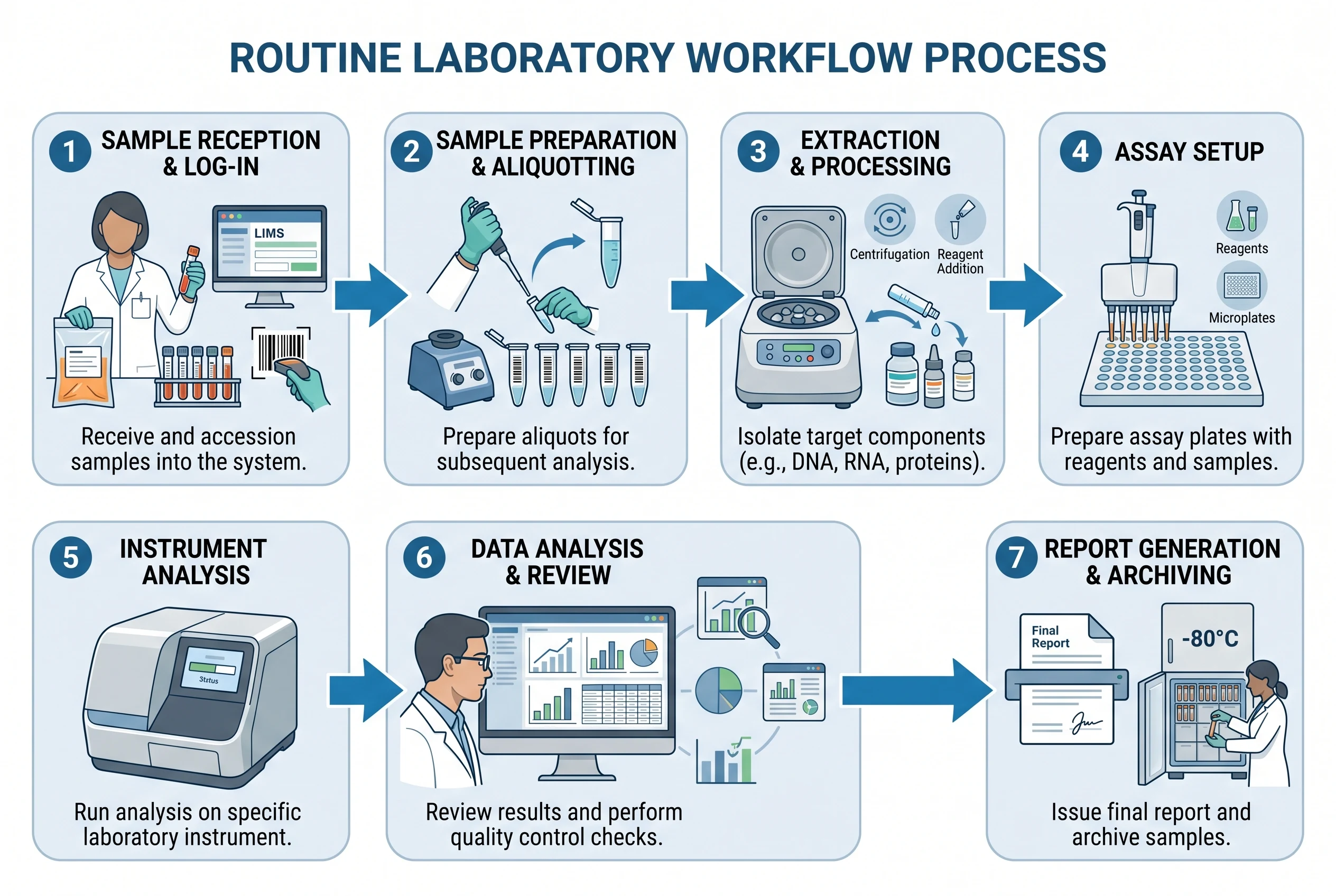
Nano Banana 2 is useful when you want a balanced option between stronger default quality and practical day-to-day figure generation.
Speed-quality balance
Use it when you want a dependable generalist model for routine scientific figure work without always reaching for the premium default.
- 1A practical choice when you need good results quickly and repeatedly.
- 2It works well as an everyday model for lower-stakes figure production.
- 3Useful when throughput matters as much as final polish.
Fast repeated iterations
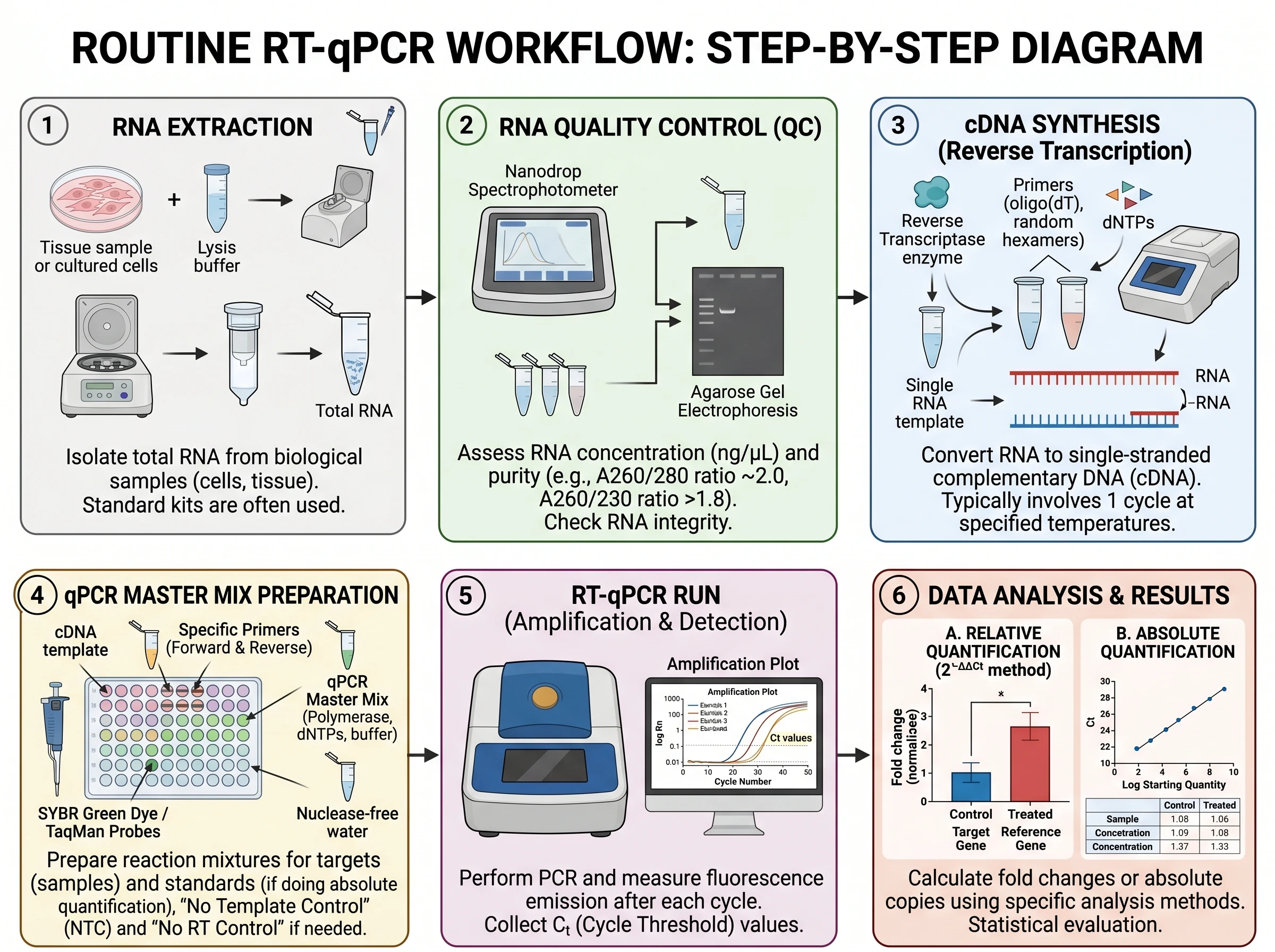
A good fit for everyday redraw, reference, or enhancer tasks when you need faster iteration loops and stable all-around behavior.
- 1You can cycle through more redraw attempts before committing to a final figure.
- 2Reference and enhancer tasks feel lighter-weight when you need speed.
- 3A strong fit for labs doing many routine figure revisions.
Flexible aspect ratios
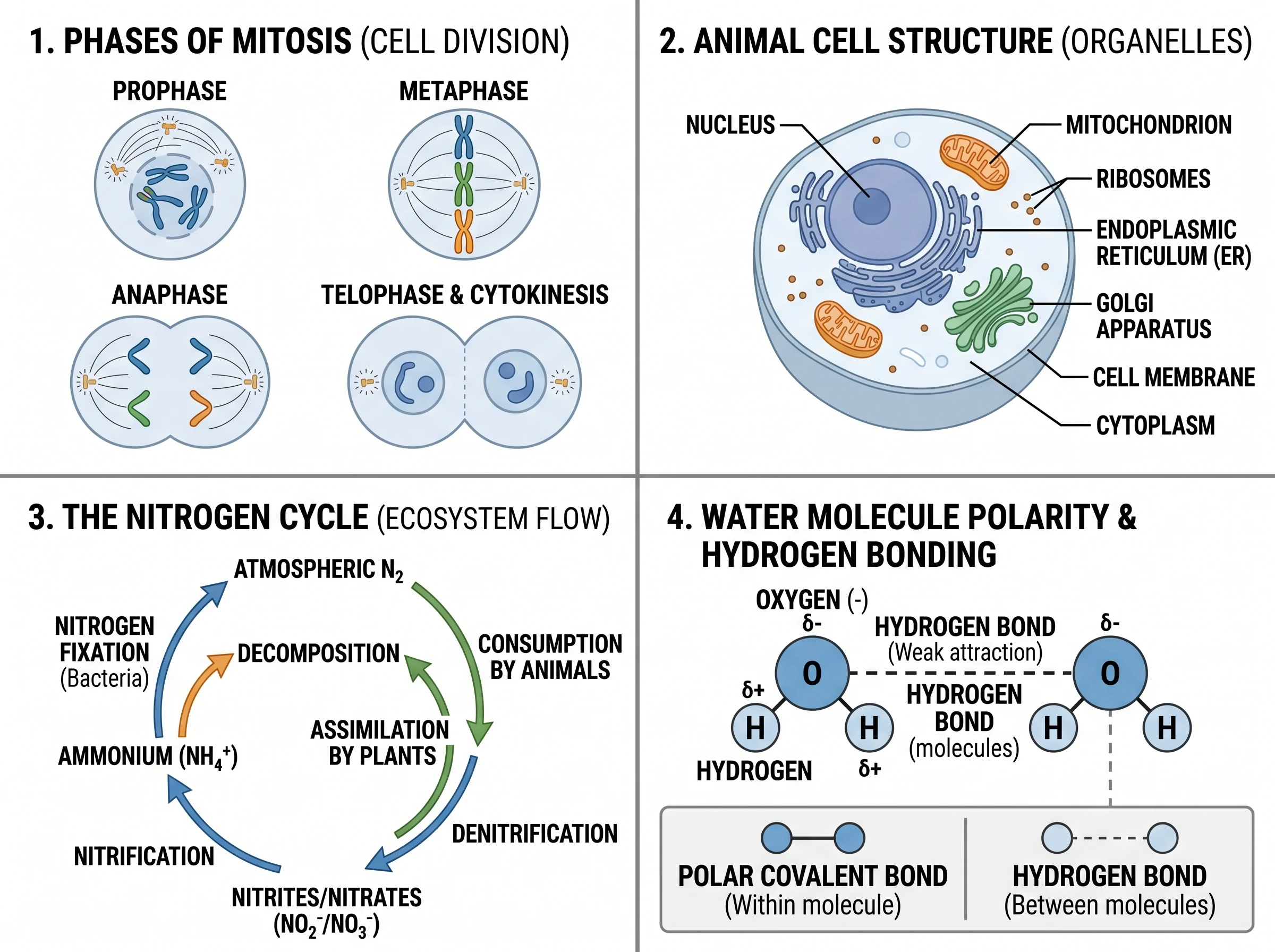
It can support mechanism figures, pathway diagrams, concept visuals, and wider-format layouts when you want a practical model choice for regular use.
- 1Useful for routine figure layouts that need to adapt to different panel widths.
- 2A better fit when you expect the same model to cover many everyday layout shapes.
- 3Good for mixed-use teams that need one balanced model rather than one specialized edge.
One model across multiple modes
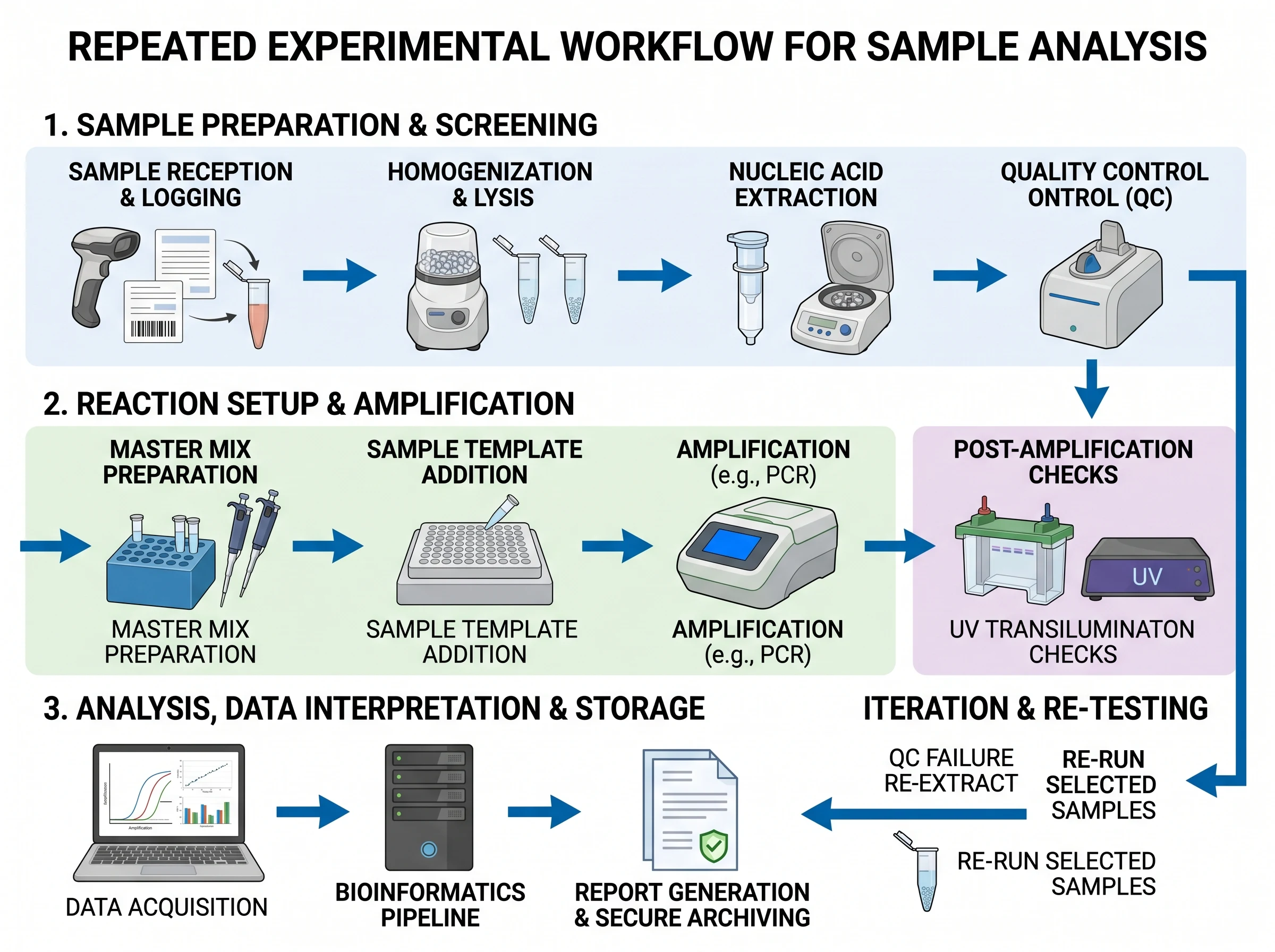
SciFig can route Nano Banana 2 through Text-to-Figure, Sketch-to-Figure, Reference-to-Figure, Photo-to-Figure, Figure Enhancer, and PDF-assisted figure modes.
- 1You get one balanced model across prompt, redraw, and enhancement entry points.
- 2That makes it easy to use as a daily-driver model for routine scientific figure work.
- 3A practical option when you want consistency without always choosing the premium path.
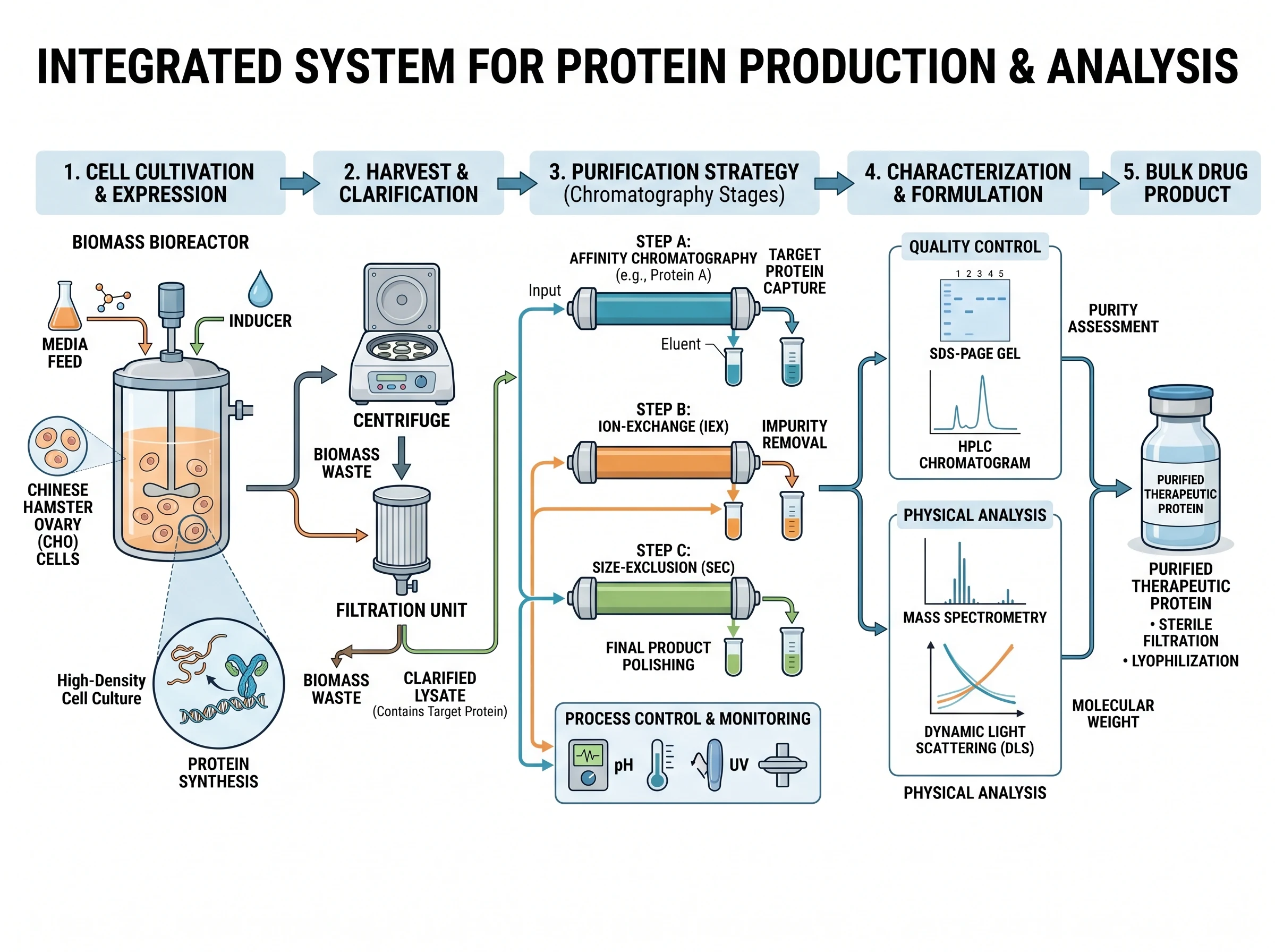
Scene Router
Where Nano Banana 2 stays practical across SciFig modes
Use Nano Banana 2 when you want a balanced model choice across SciFig's figure modes rather than optimizing for one narrow strength.
Text-to-Figure
Generate a fresh scientific figure with Nano Banana 2 selected as a balanced model for everyday figure work.
Best for regular prompt-led figure generation when you want a practical all-around model.
Open Text-to-FigureFigure Enhancer
Use Nano Banana 2 in enhancer-style tasks when you want an all-around redraw and cleanup option inside SciFig.
Best for regular enhancement tasks that do not require the strongest premium finish or text-aware editing edge.
Open Figure EnhancerSketch-to-Figure
Use Nano Banana 2 to redraw a rough sketch into a cleaner scientific figure while keeping a balanced model selection.
Best for regular sketch-driven figure cleanup and conversion tasks.
Open Sketch-to-FigureReference-to-Figure
Apply Nano Banana 2 to reference-driven figure rebuilding when you want a flexible everyday model rather than the strongest default finish.
Best for repeatable reference-to-figure tasks where balance matters more than specialization.
Open Reference-to-FigurePDF-to-Figure
Use Nano Banana 2 after SciFig extracts context from a paper PDF and needs a balanced follow-up rendering model.
Best for everyday PDF-driven figure regeneration when you want a practical all-around model.
Open PDF-to-FigurePhoto-to-Figure
Convert a lab photo into a cleaner figure with Nano Banana 2 selected as a balanced option for everyday use.
Best for routine photo-to-figure work when you want a dependable generalist model.
Open Photo-to-FigureModel Comparison
Nano Banana 2 vs Nano Banana Pro
Nano Banana 2 is the balanced option in the lineup, while Nano Banana Pro remains the stronger default when absolute figure finish matters more.
Choose Nano Banana 2 when...
- You want a balanced model for everyday scientific figure tasks.
- You need a practical all-around option across text, sketch, reference, photo, and enhancement flows.
- You do not need the strongest premium default finish for every figure.
Choose Nano Banana Pro when...
- You want the strongest default scientific-illustration aesthetics in SciFig.
- You are building higher-stakes mechanism figures or publication hero visuals.
- You want the current default model for direct figure generation quality.
Figure Types
Scientific figures Nano Banana 2 handles best day to day
Nano Banana 2 works best as the balanced scientific figure model for routine figure generation and iterative scientific illustration work.
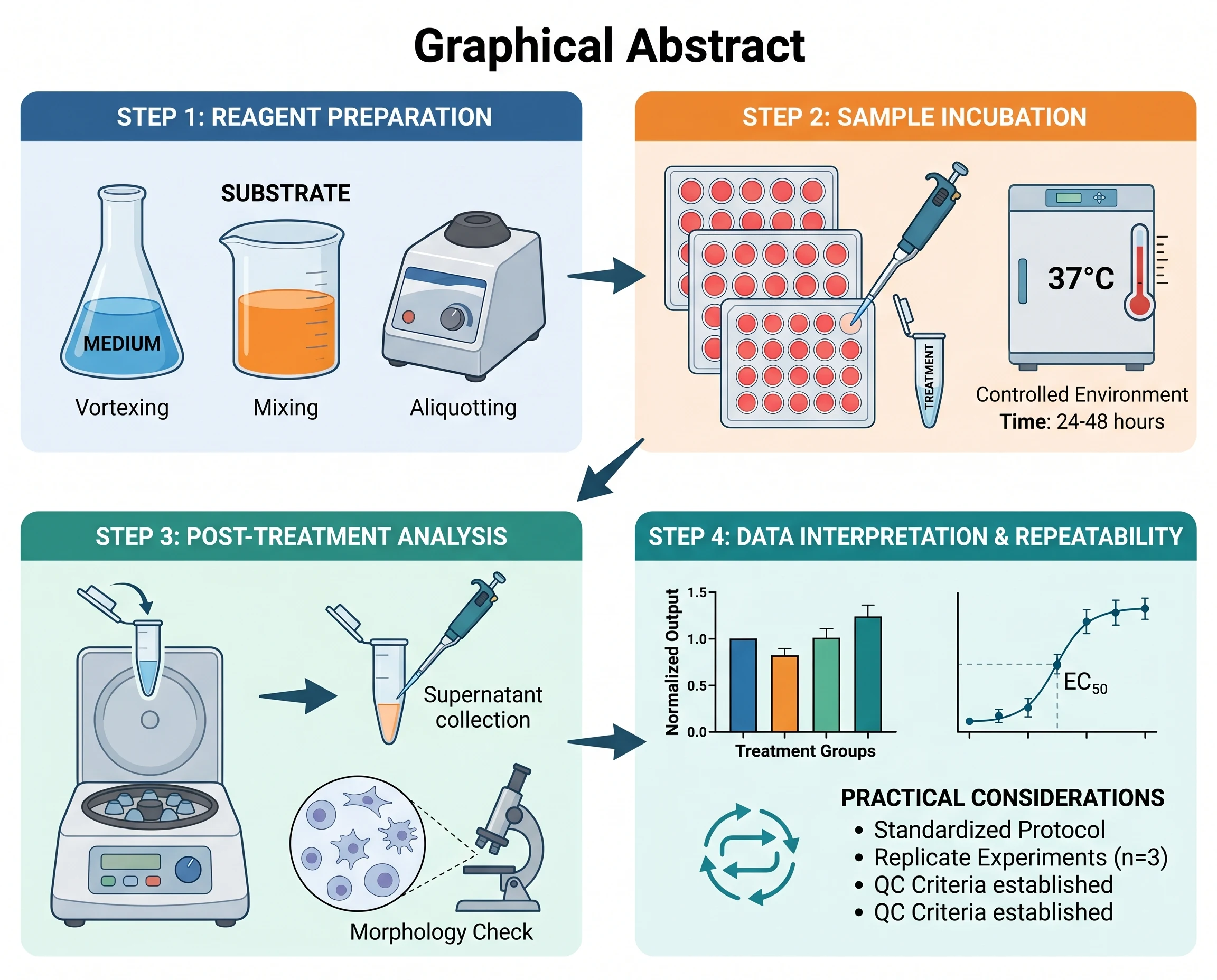
Graphical Abstracts
A useful option when you want a practical, repeatable model for regular graphical abstract production.
- 1A good fit for routine abstract production when speed and consistency matter more than premium finish.
- 2Useful when a team needs a dependable everyday option for repeatable summary visuals.
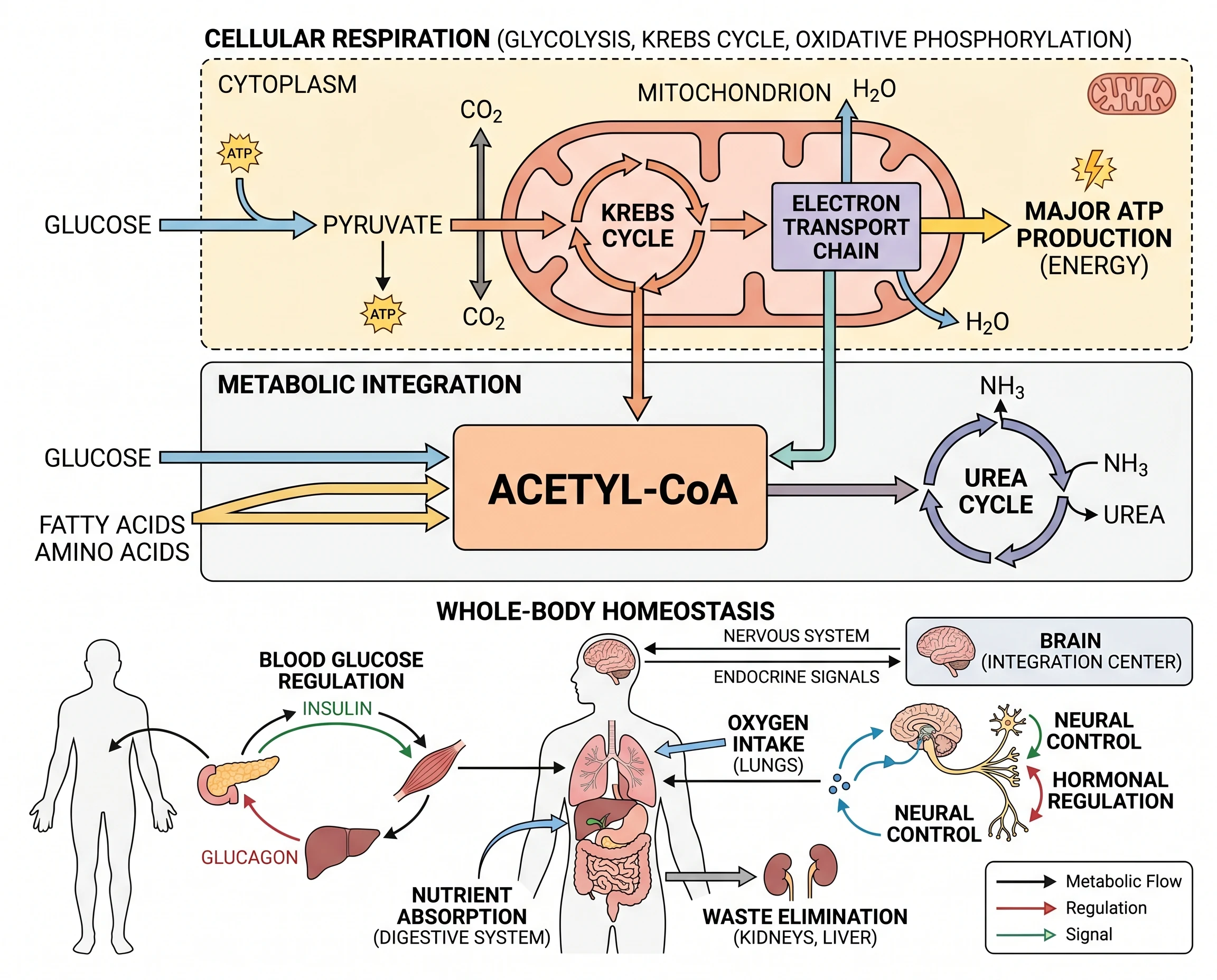
Pathway Diagrams
Useful for common pathway tasks where you want balance rather than the strongest premium styling.
- 1Better for regular pathway work where a practical all-around model is enough.
- 2Useful when the task is frequent and iterative rather than high-stakes and presentation-heavy.
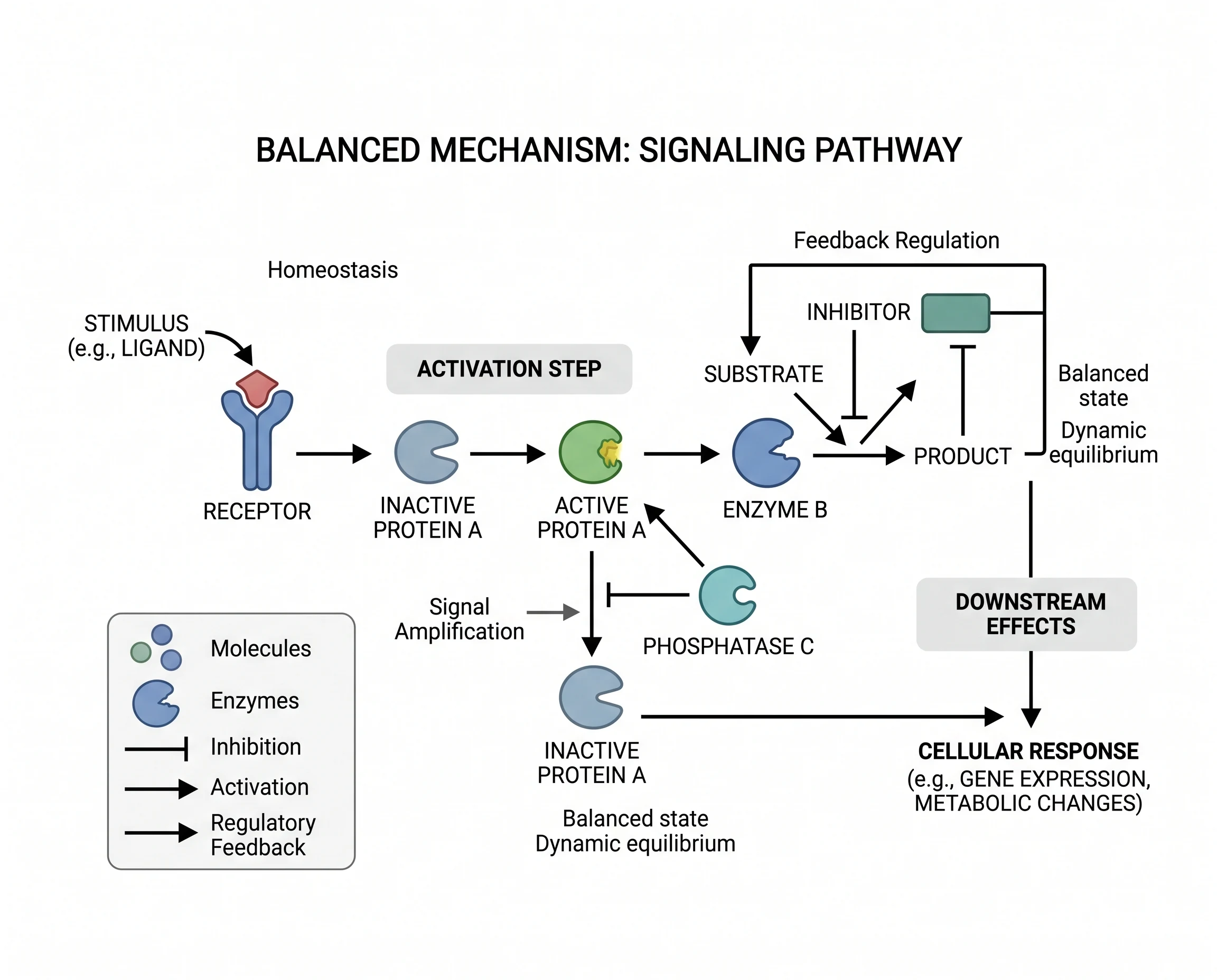
Mechanism Figures
A workable option for regular mechanism overviews when the task does not require the strongest default finish.
- 1Suitable for everyday mechanism communication where clarity matters more than premium polish.
- 2A practical choice when the figure is one of many routine outputs in a broader workflow.
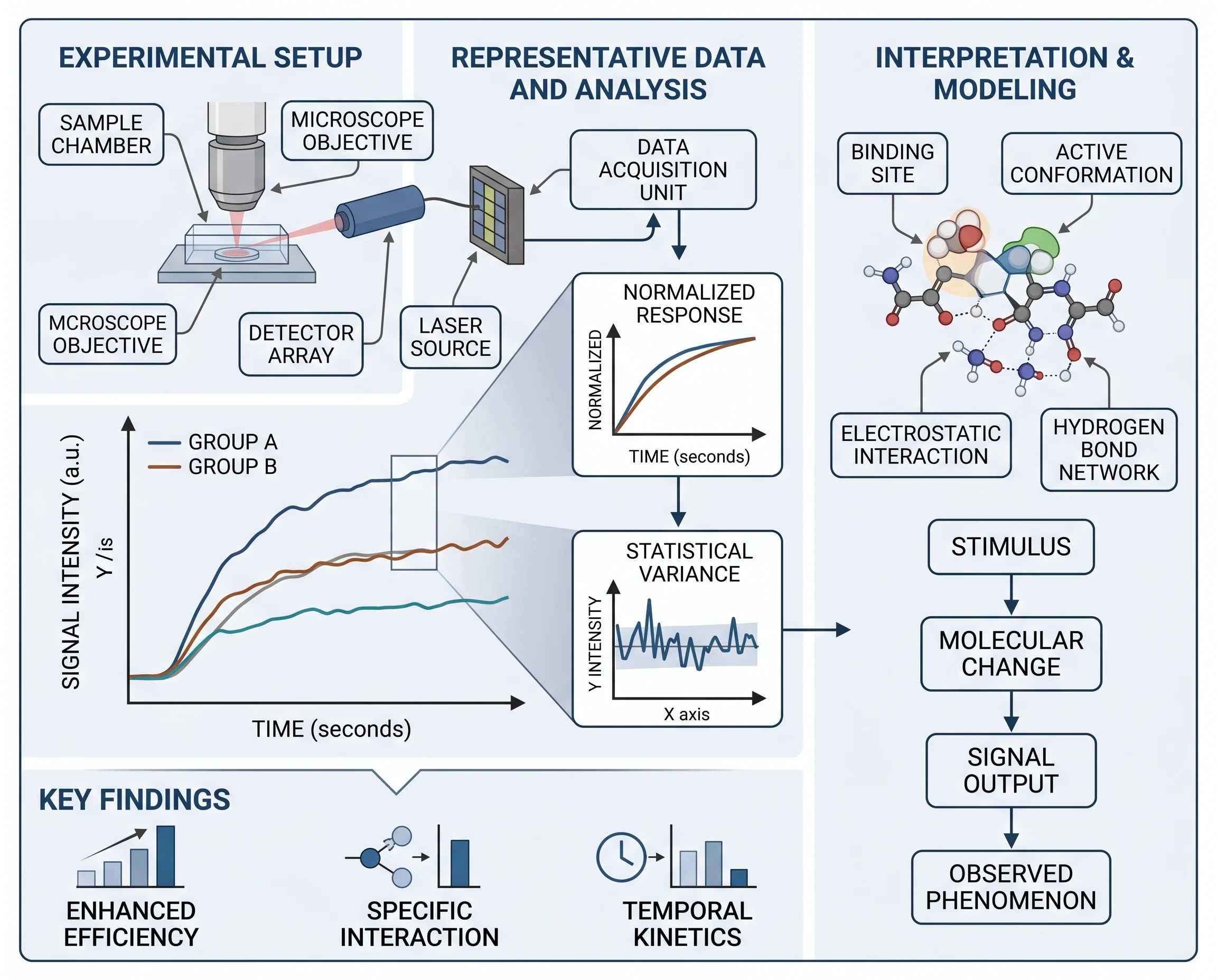
Annotated Concept Figures
Good for repeatable concept visuals where a balanced generalist model is the better fit.
- 1Useful when concept figures are produced often and need a stable, balanced look.
- 2A strong fit for mixed-use teams that want one dependable everyday model for many tasks.
FAQ
Nano Banana 2 for scientific figures: common questions
These questions focus on where Nano Banana 2 fits as a balanced option for scientific illustration inside SciFig.
Balanced by design. Nano Banana 2 is the model to pick when everyday scientific figure work matters more than chasing the most premium first draft every time.
- Daily-Driver Positioning: In SciFig, Nano Banana 2 fills the role of the practical all-around model for regular figure generation, redraws, and enhancement loops.
- Useful Across Mixed Workloads: It is a good fit when the lab is doing many different figure tasks and wants one dependable model rather than one highly specialized edge.
- Not a Compromise Model: Balanced does not mean weak. It means the model earns its value through stability, range, and repeatability across ordinary scientific figure work.
Yes. Same foundation, different priority. Nano Banana 2 supports the same two-mode foundation as the other figure models in SciFig.
- Text to Image: In `Text-to-Figure`, it can generate a new scientific figure directly from your written prompt.
- Image to Image: In `Sketch-to-Figure`, `Reference-to-Figure`, `Photo-to-Figure`, and `Figure Enhancer`, it can also regenerate from an existing image plus your new instructions.
- PDF Remains a SciFig Workflow: In `PDF-to-Figure`, SciFig first turns the paper into a generation brief, then uses the model for the follow-up figure creation step.
Choose Nano Banana 2 when the workflow is everyday, iterative, and repeat-heavy.
- Speed-Quality Balance: Not every figure needs the most premium first pass. For routine scientific figure work, a practical balance can be more valuable than always optimizing for the highest finish.
- Better for Frequent Throughput: Labs often need many internal drafts, repeated redraws, and steady revision loops. Nano Banana 2 is easier to justify as the daily-driver model in that kind of workflow.
- Use Nano Banana Pro Selectively: Save Nano Banana Pro for the figures where first-pass polish or publication-facing aesthetics are the main priority.
For many teams, yes. This is the daily-driver model.
- Routine Figure Tasks: It is especially useful for regular graphical abstracts, pathway diagrams, method visuals, concept diagrams, and enhancement jobs that happen all week, not once per paper.
- More Sustainable Default for Frequent Use: When a team wants one model that can handle many common requests without feeling over-specialized, Nano Banana 2 fits that role well.
- Consistency Over Drama: The value here is not wow factor on a single hero image. It is steady, useful output across repeated scientific figure tasks.
That is one of the strongest reasons to use it.
- Friendly to Iteration: Some model choices feel expensive in time or attention when the figure needs many revisions. Nano Banana 2 is more convincing when the user expects to redraw, tweak, and compare versions repeatedly.
- Good for Regular Enhancer Work: If the task is cleanup, rewrite, or day-to-day figure refinement rather than one-shot visual impact, the balance here becomes attractive.
- Works for High-Frequency Labs: Teams producing many routine figures often care more about dependable iteration than about squeezing every task through the most premium rendering path.
It fits everyday image-to-image workflows well.
- Sketch-to-Figure: It is useful when the sketch needs to become cleaner and more legible, but the task does not demand the most premium visual finish available.
- Reference-to-Figure: It also works well when the user wants to rebuild from a reference image in a practical, repeatable way rather than chasing a highly polished showpiece.
- Photo-to-Figure: For regular photo-based scientific redraws, Nano Banana 2 is a good option when you want stable all-around behavior across many tasks.
Yes. This is one of its natural homes.
- Enhancement Without Overkill: Some figures just need to get cleaner, tighter, and more usable. They do not all need a full premium visual treatment.
- Practical Revision Tooling: When enhancement is part of an ongoing research workflow instead of a final one-off submission push, Nano Banana 2 becomes more attractive.
- A Better Fit for Volume: If the lab is enhancing many figures across drafts, decks, and internal reviews, balance often matters more than absolute top-end finish.
GPT Image 2 still leads when text is the main problem to solve.
- Choose GPT Image 2 for Text-First Work: If labels, annotations, panel text, and multilingual readability dominate the task, GPT Image 2 is usually the better fit.
- Choose Nano Banana 2 for Broader Everyday Use: If the figure is less about text precision and more about dependable all-around generation or redraw behavior, Nano Banana 2 holds up well.
- Different Kind of Strength: This is not worse GPT Image 2. It is a more balanced everyday model for mixed scientific figure workflows.
Mixed-use teams tend to get the most out of it.
- Frequent-Output Labs: Teams producing many internal drafts, recurrent pathway figures, and revision-heavy research visuals often prefer a balanced model that stays dependable across the week.
- Shared-Workflow Environments: If multiple researchers use the same tool for different figure types, Nano Banana 2 makes sense as a practical common ground.
- Not Just for One Figure Type: Its appeal comes from range. It is useful when one model has to cover prompt-led generation, redraw workflows, and regular enhancement work without feeling fragile.
Balanced output still needs expert review.
- Check the Science: Verify labels, abbreviations, relationships, compartment names, and figure logic. A balanced model is still a generative model, not a scientific reviewer.
- Check the Story: Make sure the figure is emphasizing the right mechanism, process, or comparison for the audience you actually care about.
- Check the Final Context: For papers, slides, and posters, do a last pass for legibility, consistency, and field-specific presentation norms before export.

Start in SciFig
Use Nano Banana 2 for balanced figure generation
Start with Nano Banana 2Free to start · No credit card required · Trusted by researchers worldwide